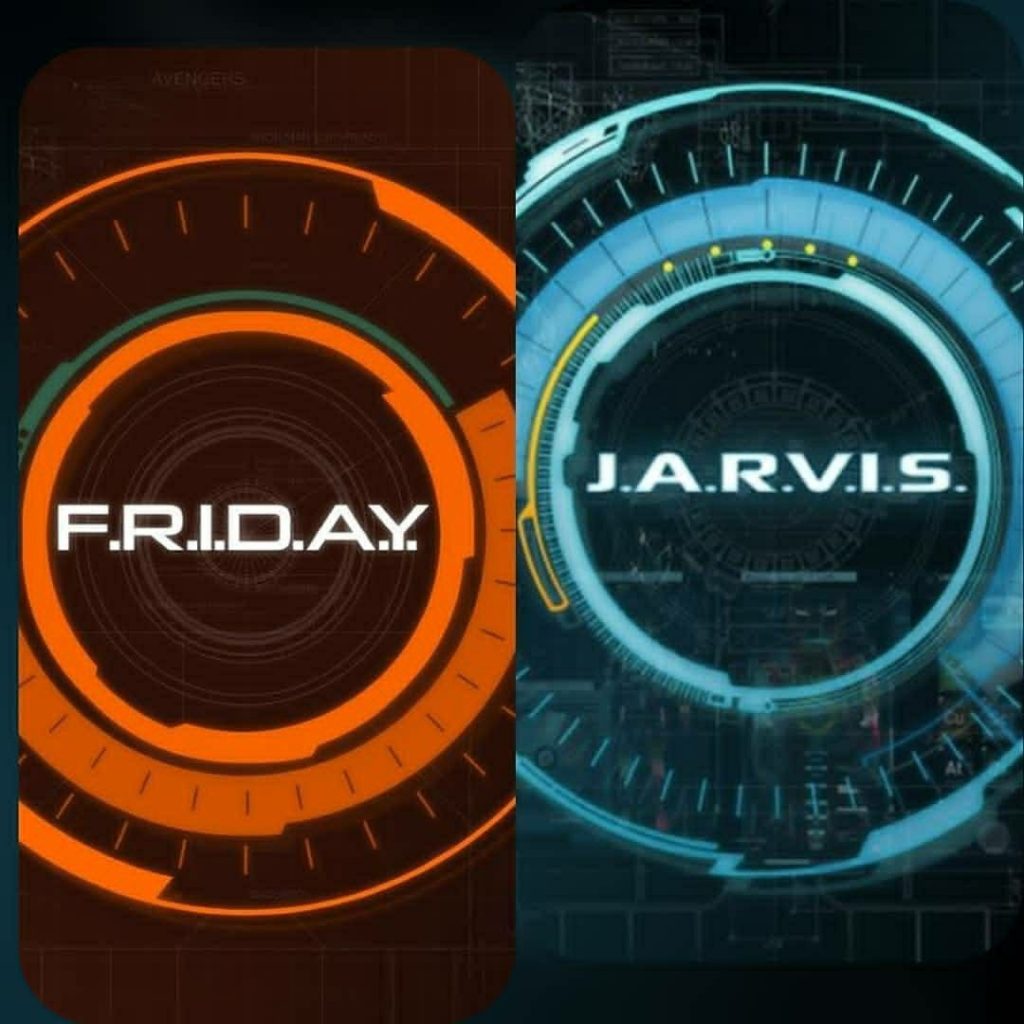
Logo jarvis iron man serves as a gateway into the dynamic intersection of technology and creativity, merging iconic superhero elements with modern branding.
In exploring the design concepts, color palettes, typography, and inspiration drawn from Iron Man, we unlock a world where innovation meets visual identity, paving the way for a logo that not only represents Jarvis but also resonates with its audience.
Logo Design Concepts
Logo design is a critical element of branding that serves as the visual representation of a company, product, or service. A well-crafted logo not only enhances brand recognition but also communicates the essence and values of a brand to its audience. It is often the first impression a potential customer will have, making it essential for establishing a strong identity in a competitive marketplace.
An effective logo encompasses several key elements that contribute to its success. These include simplicity, versatility, relevance, and memorability. A simple design ensures that the logo is easily recognizable, while versatility allows it to be used across various mediums and sizes. Relevance connects the logo to the brand’s identity and values, and memorability ensures that it sticks in the minds of consumers.
Elements of an Effective Logo
Several aspects contribute to creating an effective logo, which can significantly impact a brand’s image.
- Simplicity: A simple logo is easily identifiable and can be reproduced across different formats without losing integrity.
- Versatility: The logo should work in various applications, from business cards to billboards, ensuring adaptability.
- Relevance: It should reflect the brand’s mission and values, resonating with the target audience.
- Memorability: An effective logo is memorable and leaves a lasting impression, helping to foster brand loyalty.
- Timelessness: A great logo should remain relevant and effective over time, avoiding trends that may date it quickly.
Logo Design Styles Inspired by Iron Man Aesthetics
When designing a logo for ‘Jarvis’, inspired by Iron Man aesthetics, it’s essential to consider design styles that reflect the futuristic and technologically advanced themes associated with the character. The following styles can effectively convey this inspiration:
- Minimalist Design: Emphasizing clean lines and a modern look, focusing on essential elements without unnecessary details.
- Geometric Shapes: Using bold geometric forms to create a sense of stability and strength, echoing the Iron Man suit’s structure.
- Futuristic Typography: Incorporating sleek, modern fonts that suggest innovation and technology, aligning with the AI concept of Jarvis.
- 3D Effects: Utilizing shadows and gradients to give depth, simulating the advanced technology associated with the Iron Man universe.
- Metallic Finishes: Adding metallic textures or colors, reminiscent of Iron Man’s armor, to convey a sense of strength and sophistication.
Color Palettes and Typography
Color plays a crucial role in branding, especially for a tech-inspired logo like that of Iron Man. The color palette not only conveys the brand’s identity but also evokes specific emotions and associations. For Iron Man, colors like red, gold, and black are iconic, representing strength, innovation, and sophistication. Typography also significantly impacts how the logo is perceived, aligning with the technological and futuristic elements that Iron Man embodies.The selection of colors should reflect not only the essence of Iron Man but also the psychological effects they have on viewers.
Each color can evoke different feelings and perceptions, making it essential to choose a palette that resonates with the target audience.
Color Schemes and Their Psychological Effects
The following table Artikels various colors that align with the Iron Man theme, along with their meanings and psychological effects:
| Color | Meaning | Psychological Effect |
|---|---|---|
| Red | Passion, Energy, Action |
|
| Gold | Success, Luxury, Prestige |
|
| Black | Elegance, Authority, Power |
|
| Silver | Modernity, Innovation, Technology |
|
Typography Selection for a Tech-Inspired Logo
Choosing the right font complements the visual identity of the logo. For a tech-inspired logo like Iron Man’s, geometric and sans-serif fonts are ideal. These fonts convey modernity and clarity, aligning with technological advancements. Here are some font types that would enhance the logo’s appeal:
Roboto
A clean and modern sans-serif font, Roboto offers excellent readability and a contemporary feel.
Futura
This geometric sans-serif font has a strong presence and is often used in technology branding.
Eurostile
Known for its squared shapes, Eurostile reflects a technical and futuristic vibe, making it suitable for a tech-inspired logo.
Helvetica
A classic sans-serif font, Helvetica is versatile and professional, maintaining clarity in branding.The fusion of an appropriate color scheme with well-chosen typography can significantly elevate the Iron Man logo, ensuring it resonates with audiences while encapsulating the essence of the character and his technological prowess.
Inspiration from Iron Man
Iron Man has become a cultural icon, not only for his charisma and heroism but also for the distinct aesthetic of his suit and technology. This design can provide rich inspiration for logo creation, especially when aiming to capture a sense of innovation and strength. The intricate details and technological motifs seen in Iron Man’s design can greatly influence contemporary logo styles, making them both appealing and memorable.The key elements of Iron Man’s design include sleek lines, a futuristic color palette, and technology-driven motifs.
Incorporating these aspects into a logo can create a striking visual identity that resonates with audiences. Elements such as the arc reactor, metallic textures, and angular shapes can serve as foundational design principles. Logos that evoke a sense of progress and high-tech imagery can foster an immediate association with innovation and cutting-edge solutions.
Iconic Elements from Iron Man’s Design
The elements of Iron Man’s design are characterized by their sleek and futuristic characteristics. Understanding these can provide guidance in logo creation:
Sleek Silhouettes
The overall shape of Iron Man’s suit is streamlined and aerodynamic, suggesting speed and efficiency. Logos can adopt similar silhouettes to convey a sense of modernity and forward-thinking.
Color Schemes
Iron Man’s signature red and gold color palette exudes energy and luxury. Applying vibrant and striking colors in a logo can help in establishing a strong brand presence. Metallic finishes can also enhance the high-tech feel of a logo.
Geometric Shapes
The use of sharp angles and geometric designs in Iron Man’s suit can translate into logo design, creating a sense of precision and professionalism. These shapes can evoke feelings of structure and order, making them appealing in a business context.
Integrating Technological Motifs into Logo Design
Incorporating technological motifs into logo design is crucial to evoke a sense of advancement and innovation. This can be achieved through various techniques:
Circuit Patterns
Utilizing circuit-like patterns can symbolize connectivity and modern technology. These patterns can be subtly integrated into a logo, reinforcing the brand’s association with tech advancement.
Futuristic Fonts
Choosing typography that reflects a high-tech vibe can further enhance the logo’s overall aesthetic. Fonts with clean lines and modern characteristics can complement the technological theme effectively.
Dynamic Elements
Incorporating motion or dynamic elements into the logo, such as gradients or shadowing, can suggest progress and ongoing innovation, much like Iron Man’s constantly evolving suit.
Examples of Logos Inspired by Superhero Themes
Several brands have successfully integrated superhero themes into their logos, creating a memorable and impactful visual identity. Here are a few notable examples:
Marvel Studios
The logo features bold typography with a stylized, heroic flair, symbolizing the strength and excitement of superhero narratives.
DC Comics
The iconic shield logo combines a simple yet powerful design with contrasting colors to evoke a sense of adventure and heroism, akin to their superhero characters.
Nike
While not directly a superhero brand, the ‘Swoosh’ has taken on a heroic connotation, representing motion and motivation, much like the action-packed narratives of superheroes.These examples highlight how elements borrowed from superhero designs can inspire logos that resonate strongly with consumers, instilling a sense of power and reliability.
Design Tools and Resources
Choosing the right tools for logo design can greatly influence the creative process and the final outcome. There are a variety of software options available that cater to different needs and expertise levels. By understanding these tools and how to use them effectively, designers can enhance their workflow and produce compelling logos that resonate with audiences.
Popular Design Software for Logo Creation
There are several industry-standard design software that are widely used for logo creation, each with unique features that cater to different design styles and user expertise. Here’s a list of notable design tools:
- Adobe Illustrator: A leading vector graphics editor that provides powerful tools for creating scalable designs, making it ideal for logo creation.
- CorelDRAW: Known for its user-friendly interface, CorelDRAW allows designers to craft logos and illustrations with precision.
- Affinity Designer: A cost-effective alternative to Illustrator, Affinity Designer offers robust vector and raster design tools.
- Canva: A web-based platform that simplifies design with templates and drag-and-drop features, suitable for beginners.
- Inkscape: An open-source vector graphics editor that is a great option for those seeking free software without sacrificing functionality.
Using Vector Graphics in Logo Design
Vector graphics are essential for logo design because they can be resized without losing quality, making them versatile for various applications. Here’s a step-by-step procedure for using vector graphics in logo creation:
- Choose Your Software: Start by selecting a vector graphic software that suits your needs, like Adobe Illustrator or Inkscape.
- Create a New Document: Set up your workspace by choosing appropriate dimensions for your logo, typically in a square format.
- Use the Pen Tool: Begin sketching your logo idea using the Pen Tool to create paths that form the basis of your design.
- Apply Shapes: Utilize basic shapes (rectangles, circles) from the shape tool to build more complex designs by combining and manipulating them.
- Add Color: Select your color palette and apply colors to different elements of your logo, ensuring they align with your brand’s identity.
- Refine Your Design: Adjust shapes and paths, ensuring smooth curves and a professional finish. Use layers to organize different parts of the design.
- Export Your Logo: Once satisfied, export your logo in various formats (SVG, PNG, PDF) for different use cases, ensuring scalability.
Resources for Inspiration and Tutorials
Finding inspiration and learning from tutorials is crucial for enhancing logo design skills. Here are some valuable resources that can help:
- Behance: A platform where designers showcase their work, providing a vast array of logo design projects for inspiration.
- Dribbble: A community of designers sharing their work, Dribbble is a great source for creative logo concepts and trends.
- Creative Market: Offers a marketplace for design assets, including logo templates and branding kits that can spark ideas.
- Skillshare: An online learning platform with courses dedicated to logo design, teaching techniques and best practices from industry professionals.
- YouTube: Numerous channels offer tutorials ranging from beginner tips to advanced design techniques in vector graphics and logo creation.
Target Audience Consideration
Understanding the target audience is a critical aspect of logo design. A logo serves as the face of a brand, and it is essential that it resonates with the people it aims to attract. The effectiveness of a logo can greatly influence first impressions and brand perception, making it vital to tailor design elements that speak directly to the intended demographic.Demographic traits play a significant role in shaping the design of a logo for ‘Jarvis.’ Factors such as age, gender, interests, and professional background can guide the choice of color, typography, and overall style.
For instance, a younger audience may respond better to vibrant colors and modern fonts, while a more mature demographic might prefer classic styles that convey reliability. Knowing these traits helps ensure that the logo not only catches the eye but also communicates the right message about the brand.
Demographic Traits Affecting Logo Design
Several demographic traits can influence how a logo is perceived and received by its intended audience. Below are key considerations that can guide the logo design process for ‘Jarvis’:
- Age: Different age groups often have distinct preferences in design aesthetics. Younger audiences may gravitate towards sleek, minimalistic designs, while older demographics might favor more traditional elements.
- Gender: Design elements can be tailored to appeal to specific gender audiences. For example, colors and shapes can be chosen based on what is generally perceived to attract male or female viewers.
- Interests: Understanding the interests of the target audience allows for the incorporation of relevant symbols or imagery that resonate with their passions, enhancing emotional connection.
- Professional Background: The industry and occupation of the audience can influence design choices. A tech-savvy audience might appreciate a high-tech aesthetic, while a more corporate audience may prefer a classic and formal look.
Gathering feedback on logo concepts from potential users is essential to refining the design and ensuring it meets the audience’s expectations. Effective methods for collecting this feedback include:
- Surveys: Conducting online or in-person surveys can provide valuable insights into how well the logo resonates with different audience segments. Surveys can include specific questions about color preference, style, and overall appeal.
- Focus Groups: Bringing together a small group of target users to discuss and critique logo concepts can yield in-depth feedback. This qualitative approach allows for candid discussions about perceptions and impressions.
- A/B Testing: Presenting two or more logo variations to different segments of the audience can determine which design performs better. This method uses data to guide final design choices.
- Social Media Polls: Utilizing social media platforms to run quick polls can engage a wider audience and gather responses rapidly, allowing for real-time feedback on logo concepts.
Application and Versatility
The Jarvis logo, inspired by Iron Man, is designed for maximum adaptability across various platforms and mediums. Its unique design and color palette allow it to resonate with different audiences while maintaining brand integrity. This versatility ensures that the logo can thrive in both digital and print applications.The logo’s application spans a multitude of formats, from website headers to business cards, and even large-scale banners for events.
It’s crucial to maintain consistent branding by using the logo in appropriate contexts. This includes adhering to guidelines for size, spacing, and background colors to ensure clarity and visibility.
Logo Display Guidelines
When displaying the logo, certain guidelines should be followed to ensure it looks its best in every situation. The following points Artikel ideal practices for using the Jarvis logo across various contexts:
- Digital Media: The logo should be used on websites, social media profiles, and digital advertisements. Ensure a high-resolution version is used for clarity on screens of all sizes.
- Print Media: For business cards, brochures, and posters, the logo must be printed in the appropriate colors to match the specified color palette while ensuring that it remains sharp and clear.
- Merchandising: When applied to clothing or promotional merchandise, the logo should be sized according to the item to maintain visibility. For instance, it may be larger on a t-shirt compared to a pen.
- Outdoor Advertising: On banners or billboards, the logo should be prominent and placed at a height that ensures visibility from a distance. The color contrast against the background is essential for legibility.
Successful Logo Applications in Tech Industries
Understanding how logos translate across different uses is vital for maintaining brand consistency. Here are some notable examples of how logos are successfully applied in tech industries:
- Apple: The Apple logo is utilized seamlessly on digital platforms, products, and marketing materials, exhibiting a minimalist design that works across various applications.
- Google: The Google logo adapts well across all media, from web pages to physical products, showcasing a range of colors that enhance brand recognition.
- Microsoft: The Microsoft logo maintains its integrity in both digital and print formats, ensuring that its iconic four-color block stands out effectively in diverse applications.
The Jarvis logo’s design and flexibility draw inspiration from these successful examples while ensuring it meets the needs of its diverse audience across all touchpoints.
Future Trends in Logo Design
The world of logo design is continually evolving, influenced by technological advancements, cultural shifts, and the growing demands of consumers. As we look to the future, the branding landscape is set to change dramatically, especially for tech-centric identities like ‘Jarvis.’ Understanding these trends can help in crafting a logo that not only resonates today but also remains relevant tomorrow.Current trends in logo design showcase a preference for minimalism, dynamic logos, and responsive designs that adapt to various formats and devices.
These elements are not just aesthetics; they reflect a broader trend toward creating user-friendly and impactful brands. Tech companies are at the forefront of these movements, often leading the charge in innovative design practices.
Current Trends Influencing Logo Design
Several key trends are shaping the future of logo design, particularly for tech brands like ‘Jarvis.’
- Minimalism: Simplified logos with clean lines and a lack of clutter help convey clarity and focus, making brands more memorable.
- Dynamic and Adaptive Logos: Logos that can change based on context or medium are gaining traction, allowing for greater versatility and relevance in various applications.
- 3D and Motion Effects: The use of depth and movement in logo design is becoming popular, especially in digital platforms where animation can enhance engagement.
- Bold Typography: Distinctive and bold fonts are being utilized to create strong brand identities, making logos stand out in crowded marketplaces.
- Sustainability and Ethical Design: Brands are beginning to incorporate eco-friendly elements in their logos, reflecting their commitment to sustainability and social responsibility.
Emerging technologies are set to make a significant impact on logo creation.
Emerging Technologies in Logo Creation
Technological advancements are reshaping the methods and tools used in logo design, creating new opportunities for innovation.
- Artificial Intelligence and Machine Learning: Tools powered by AI can analyze data to suggest design elements, effectively streamlining the creative process and providing insights into consumer preferences.
- Augmented Reality (AR): AR can create immersive logo experiences, allowing consumers to interact with brands in novel ways that enhance engagement and memory recall.
- Vectorization Technology: This technology allows for logos to be created in a way that they can seamlessly scale without loss of quality, which is increasingly important in a digital-first world.
- Collaborative Tools: Online platforms that facilitate real-time collaboration among designers increase efficiency and creativity, enabling teams to iterate on ideas faster.
Predictions for the evolution of logo aesthetics in tech branding suggest a shift toward more personalized and interactive designs.
Predicted Evolution of Logo Aesthetics
As technology continues to advance, logo aesthetics will likely evolve to meet the changing preferences of consumers and the demands of new platforms.
- Personalization: Logos could become more customizable, allowing consumers to modify elements to reflect their individuality and connection to the brand.
- Fluid Design: Logos may evolve to have fluid shapes that can morph and adapt depending on the context, ensuring they always feel fresh and relevant.
- Integrated Branding: The lines between logos and broader brand experiences will blur, with logos acting as gateways to more immersive brand narratives.
- Data-Driven Design: Future logos may leverage user data to inform design, ensuring that aesthetics align with the preferences and behaviors of target audiences.
In summary, the future of logo design for ‘Jarvis’ and similar tech brands is poised for an exciting transformation. By embracing current trends and emerging technologies, brands can create logos that are not only visually appealing but also deeply connected to their audience’s needs and expectations.
Closing Summary

In summary, the journey of creating a logo for Jarvis inspired by Iron Man is rich with potential, inviting designers to blend technological motifs with iconic branding elements.
As we look to the future, staying attuned to design trends and audience preferences will be key in crafting a logo that stands the test of time and truly embodies the essence of Jarvis.
FAQ Summary
What is the importance of logo design?
The logo is crucial as it serves as the face of a brand, creating recognition and conveying its values.
How can I choose the right colors for my logo?
Select colors that reflect the brand’s personality and evoke the desired emotional response from the audience.
What tools can I use for logo design?
Popular tools include Adobe Illustrator, CorelDRAW, and Canva, which offer various features for creating logos.
How important is audience feedback in logo design?
Audience feedback is vital as it helps refine the design to better meet the expectations and preferences of potential users.
What are some current trends in logo design?
Current trends include minimalism, dynamic logos, and responsive design, adapting logos for various platforms and uses.