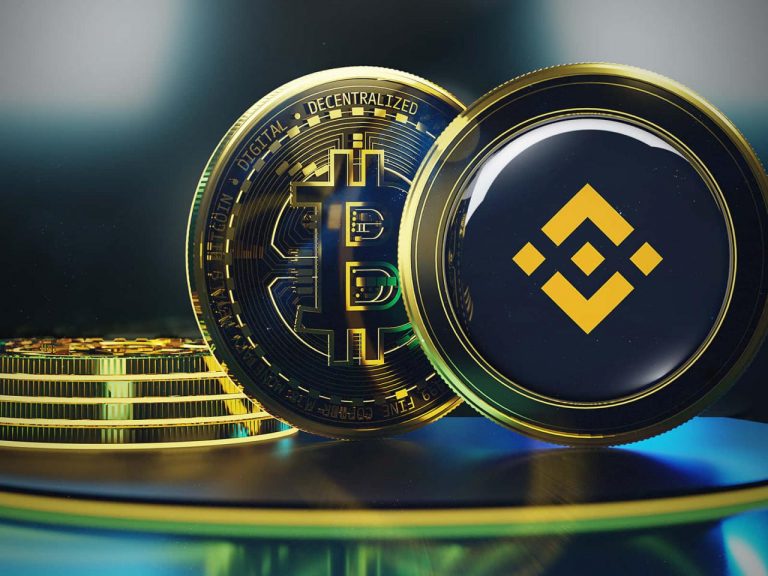
Buying Bitcoin online with Apple Pay is becoming increasingly popular. This method combines the convenience of mobile payments with the potential for security, offering a new way to access cryptocurrency. The growing interest in Bitcoin, coupled with the rising use of Apple Pay, makes this a rapidly evolving area.
This guide will explore the mechanics, security considerations, and potential advantages of purchasing Bitcoin using Apple Pay. We’ll also delve into the different platforms supporting this method and compare them to traditional Bitcoin purchase methods.
Introduction to Bitcoin Purchasing
Bitcoin, a decentralized digital currency, has gained significant traction in recent years. Its unique nature, based on blockchain technology, allows for peer-to-peer transactions without intermediaries. This has fostered a global market for Bitcoin, enabling various purchasing methods. Understanding these methods is crucial for anyone considering investing in or using Bitcoin.Purchasing Bitcoin involves several avenues, each with its own set of advantages and disadvantages.
This section will delve into the common methods and their implications, focusing on online transactions, which have become increasingly prevalent.
Overview of Bitcoin
Bitcoin is a digital or virtual currency that operates independently of central banks or governments. Transactions are verified and recorded on a public, distributed ledger called a blockchain. This decentralized nature contributes to its security and transparency. Bitcoin’s value is determined by market forces, influenced by factors like supply, demand, and investor sentiment.
Different Ways to Buy Bitcoin
Numerous methods exist for acquiring Bitcoin. These range from traditional financial institutions to specialized exchanges. Common methods include:
- Cryptocurrency Exchanges: Exchanges like Coinbase, Kraken, and Binance offer user-friendly platforms for buying and selling Bitcoin using traditional payment methods like bank transfers or credit cards. These exchanges typically have varying fees and security measures.
- Peer-to-Peer (P2P) Platforms: P2P platforms connect buyers and sellers directly. This allows for potentially lower fees but may expose users to higher risk if not adequately vetted.
- Bitcoin ATMs: Bitcoin ATMs are physical kiosks that allow users to buy and sell Bitcoin using cash. Their accessibility varies, but they can be convenient for those with limited online access.
- Brokerage Accounts: Some brokerage firms now offer Bitcoin trading as part of their services. These typically integrate with existing trading accounts and allow users to buy and sell Bitcoin within the brokerage platform.
Online Bitcoin Purchases
Online Bitcoin purchases have become increasingly popular due to the convenience and accessibility they offer. They allow users to complete transactions from anywhere with internet access. These transactions usually involve utilizing a cryptocurrency exchange or a P2P platform. The security of these online transactions depends on the platform’s security protocols and the user’s vigilance.
Comparison of Bitcoin Purchase Methods
| Method | Security | Ease of Use | Transaction Speed |
|---|---|---|---|
| Cryptocurrency Exchanges | Generally high, with multi-factor authentication and security measures | High, user-friendly interfaces | Usually fast, often within minutes |
| P2P Platforms | Variable, depending on platform and user vetting processes | Variable, some platforms are more user-friendly than others | Variable, can range from a few minutes to several hours |
| Bitcoin ATMs | Generally lower, compared to exchanges | Medium, relatively straightforward | Medium, typically a few minutes to an hour |
| Brokerage Accounts | High, similar to traditional brokerage security measures | High, integrated into existing account interfaces | Usually fast, comparable to exchanges |
Buying Bitcoin with Apple Pay
Using Apple Pay for online Bitcoin purchases is a growing trend, offering a convenient and potentially secure way to acquire cryptocurrencies. This method leverages the existing security infrastructure of Apple Pay, combining it with the intricacies of cryptocurrency transactions. This approach allows users to complete transactions seamlessly and efficiently, eliminating the need for separate logins and passwords for each platform.The process essentially uses Apple Pay’s digital wallet to authorize payments on a Bitcoin exchange platform.
This streamlined approach allows for quicker transaction processing, often reducing wait times compared to traditional payment methods. However, it’s crucial to understand the specific mechanics, security implications, and advantages and disadvantages before embracing this payment method.
Mechanics of Apple Pay Bitcoin Purchases
Bitcoin exchanges that support Apple Pay typically integrate the service into their platform. Users initiate a purchase by selecting Apple Pay as their payment method during the checkout process. This triggers a secure connection between the exchange and Apple’s payment system. Apple Pay verifies the transaction through the user’s device, and the funds are debited from the linked bank account.
The exchange then processes the Bitcoin purchase, and the cryptocurrency is credited to the user’s account.
Security Features in Apple Pay Bitcoin Transactions
Security is paramount when handling cryptocurrency transactions. Apple Pay, with its strong encryption and two-factor authentication capabilities, significantly enhances security for Bitcoin purchases. The end-to-end encryption protects sensitive transaction data from unauthorized access. Furthermore, Apple Pay’s integration with existing banking infrastructure provides a robust layer of security, reducing the risk of fraud compared to less secure methods.
The security measures implemented by Bitcoin exchanges also play a crucial role in safeguarding transactions.
Advantages of Using Apple Pay for Bitcoin Purchases
Convenience is a key advantage. Apple Pay allows for quick and easy Bitcoin purchases, eliminating the need to enter credit card details or other payment information repeatedly. This streamlined process reduces the time needed for transactions. The integration of Apple Pay with a user’s existing banking infrastructure provides a convenient and familiar interface. Finally, the potential for reduced transaction fees is a possibility in some cases, although this will vary based on the exchange and the user’s specific setup.
Disadvantages of Using Apple Pay for Bitcoin Purchases
Not all Bitcoin exchanges support Apple Pay, limiting its accessibility. The availability of this feature can vary across different exchanges. Users should always check if their preferred exchange offers Apple Pay as a payment option. Additionally, the reliance on Apple Pay’s security infrastructure introduces a level of dependency that could be a concern for some users.
Step-by-Step Guide to Buying Bitcoin with Apple Pay
- Select Apple Pay as Payment Method: Ensure the Bitcoin exchange supports Apple Pay. During the checkout process, select Apple Pay as your payment option.
- Authorize the Transaction: The exchange will initiate the transaction. Your Apple Pay device will request authorization, and you’ll need to confirm the purchase using Touch ID or Face ID.
- Funds Transfer: Apple Pay will debit the funds from your linked bank account.
- Bitcoin Credit: The exchange will process the purchase and credit the Bitcoin to your account.
Comparison with Other Bitcoin Purchase Methods
Apple Pay offers a convenient alternative to traditional methods like credit card or bank transfer. The ease of use is a significant advantage, but the availability of the feature varies across different exchanges. Other methods may offer more flexibility or potentially lower transaction fees, but Apple Pay provides a secure and streamlined experience for users already familiar with its system.
Bitcoin Purchase Platforms and Apple Pay Integration
Several reputable Bitcoin exchange platforms now facilitate seamless Bitcoin purchases using Apple Pay. This integration streamlines the process for users accustomed to Apple Pay’s secure and convenient payment method. This allows for quick and easy Bitcoin transactions without the need for complex account setups or cumbersome procedures.The availability of Apple Pay on these platforms enhances user experience and encourages wider adoption of Bitcoin as a digital asset.
This integration fosters a more user-friendly environment, making it accessible to a broader range of individuals, including those less familiar with traditional cryptocurrency exchanges.
Popular Bitcoin Exchange Platforms Supporting Apple Pay
Several prominent Bitcoin exchange platforms support Apple Pay, offering a user-friendly and secure way to buy and sell Bitcoin. These platforms cater to various needs, from beginners to seasoned traders. Factors to consider when choosing a platform include security measures, transaction fees, and user interface complexity.
- Coinbase: A widely recognized and trusted platform for buying and selling Bitcoin, Coinbase offers a user-friendly interface and robust security protocols. Their Apple Pay integration simplifies the purchase process. Coinbase’s security measures include two-factor authentication and advanced fraud detection systems.
- Kraken: Kraken is known for its advanced trading features and caters to experienced traders. While Apple Pay integration may be available, specific details on the functionality are best checked directly on the Kraken website.
- Gemini: Gemini, a reputable exchange, prioritizes security and offers a user-friendly platform. Information about Apple Pay support should be confirmed on their official website. Gemini’s security measures often include multi-factor authentication and cold storage for customer funds.
Features and Services of Supported Platforms
These platforms offer various features and services beyond simple Bitcoin purchases. These features can include educational resources, advanced charting tools, and trading options. Understanding these features will help users make informed decisions about which platform best suits their needs.
- Trading Features: Many platforms offer advanced trading tools, such as order types, limit orders, and stop-loss orders. These tools allow users to execute trades with more precision and potentially increase their profits.
- Customer Support: Excellent customer support is essential for resolving issues and providing assistance to users. Reputable platforms typically have dedicated support teams to handle inquiries promptly and efficiently.
- Security Protocols: Security is paramount when dealing with cryptocurrencies. Platforms with robust security protocols, such as two-factor authentication and cold storage for funds, are crucial for protecting user assets.
Security Protocols Employed by Platforms
Security is paramount in the cryptocurrency market. Exchanges employing robust security protocols provide peace of mind to users. These protocols can include multi-factor authentication, encryption, and cold storage for funds.
- Two-Factor Authentication (2FA): This adds an extra layer of security by requiring a second verification method, such as a code from a mobile device, alongside a password.
- Encryption: Data encryption protects sensitive information from unauthorized access during transmission and storage.
- Cold Storage: Storing funds offline in “cold storage” significantly reduces the risk of hacking and data breaches.
Comparison Table of Bitcoin Platforms
The table below provides a comparative overview of popular Bitcoin platforms, focusing on Apple Pay integration. This table helps users quickly assess platform features and make informed decisions.
| Platform | Apple Pay Integration | Security Features | Trading Features |
|---|---|---|---|
| Coinbase | Yes | 2FA, advanced fraud detection | Basic to advanced |
| Kraken | Potentially Yes | Multi-factor authentication, advanced security protocols | Advanced |
| Gemini | Potentially Yes | Multi-factor authentication, cold storage | Advanced |
Choosing a Platform and Using Apple Pay
Choosing the right platform depends on individual needs and experience level. Beginners might prefer platforms with user-friendly interfaces and robust security protocols. Experienced traders might favor platforms with advanced trading features. Using Apple Pay for Bitcoin purchases is generally straightforward.
- Research: Thoroughly research different platforms and their features, paying close attention to their security protocols.
- Account Creation: Create an account on the chosen platform and link it to your Apple ID.
- Apple Pay Integration: Follow the platform’s instructions to set up Apple Pay for Bitcoin purchases.
Security and Risks Associated with Buying Bitcoin
Buying Bitcoin online presents exciting opportunities, but also inherent risks. Understanding these security threats is crucial for safeguarding your investments. Carefully evaluating platforms, employing robust security measures, and recognizing potential scams are paramount to a safe Bitcoin experience.Online Bitcoin purchases, like any online financial transaction, are vulnerable to various security threats. These range from phishing attacks designed to steal login credentials to more sophisticated malware designed to compromise personal information.
Protecting yourself from these threats requires vigilance and a proactive approach.
Common Security Threats in Online Bitcoin Purchases
A range of security threats target online Bitcoin transactions. These threats exploit vulnerabilities in online platforms, or the user’s own devices and practices. Phishing attempts, where fraudulent emails or websites mimic legitimate platforms, are common. Malicious software, or malware, can steal sensitive information, including login credentials and transaction details. Scams, which often involve fake platforms or promises of high returns, are also prevalent.
Poor security practices on the user’s end, such as weak passwords or insecure storage of private keys, can also significantly increase the risk of compromise.
Risks of Using Apple Pay for Bitcoin Transactions
Apple Pay, while secure for many common transactions, presents unique considerations when used for Bitcoin purchases. Apple Pay itself is secure, but the integration with Bitcoin platforms can sometimes introduce vulnerabilities. If a platform is not properly secured, the security of Apple Pay may not be sufficient to mitigate risks. Thorough research and selection of reputable platforms are crucial to minimize these risks.
Potential vulnerabilities in the platform’s integration with Apple Pay could pose risks, so always verify the security measures implemented by the Bitcoin platform.
Protecting Yourself from Scams and Fraud
Scams and fraud are prevalent in the Bitcoin market. Always verify the legitimacy of any platform offering Bitcoin purchases, especially if it involves unusual promises of high returns or minimal risk. Thorough research is essential. Look for reviews from reputable sources. Check the platform’s security measures and regulatory compliance.
Be wary of overly aggressive marketing or promises that sound too good to be true. Always double-check the legitimacy of the platform before entering any personal information.
Best Practices for Safe Bitcoin Transactions
Safe Bitcoin transactions rely on diligent practices and security awareness. Following these best practices can significantly reduce the risk of fraud and scams.
- Thoroughly research and review the platform’s reputation and security measures before making any transactions.
- Use strong, unique passwords and enable two-factor authentication wherever possible.
- Store your Bitcoin wallet’s private keys securely, never sharing them with anyone.
- Avoid clicking on suspicious links or downloading unknown files, especially when related to Bitcoin purchases.
- Use a secure internet connection, preferably a VPN, when making online transactions.
- Monitor your accounts regularly for any unusual activity.
- Never share personal information or financial details with unknown individuals.
What to Do If a Transaction Goes Wrong
If a Bitcoin transaction goes wrong, swift action is crucial. Immediately contact the platform involved and document the issue, including timestamps and any relevant communication. Report the issue to relevant authorities if necessary, such as your financial institution or local law enforcement. Never hesitate to seek legal counsel if necessary.
Buying Bitcoin in General
Purchasing Bitcoin involves various methods, each with its own set of advantages and disadvantages. Understanding these options is crucial for making informed decisions. Choosing the right method depends on factors such as your comfort level with technology, the amount of Bitcoin you’re looking to buy, and your preferred level of security.Bitcoin’s decentralized nature means it isn’t regulated the same way as traditional financial instruments.
This allows for greater flexibility in purchase methods, but it also demands more vigilance in researching and selecting reliable platforms. This overview will guide you through common methods, steps involved, and essential considerations.
Different Methods of Bitcoin Purchase
Different methods cater to diverse needs and preferences. Factors such as transaction fees, speed, and required security measures should be carefully weighed when choosing a method.
- Exchange Platforms: Centralized exchanges like Coinbase, Kraken, and Binance offer a user-friendly interface for buying Bitcoin. They usually have lower fees compared to other methods and support various payment methods. The process typically involves creating an account, verifying your identity, and linking a payment method to purchase Bitcoin directly. Researching reputable exchanges is essential to mitigate risks.
- Brokerage Platforms: Some brokerage firms now allow Bitcoin trading, enabling investors to buy and sell Bitcoin through their existing brokerage accounts. This method can be convenient for those already familiar with brokerage platforms. The specific steps for purchasing Bitcoin through a brokerage might differ, but generally involve creating an account, linking it to a bank account, and selecting the desired amount of Bitcoin to buy.
- Over-the-Counter (OTC) Markets: OTC markets provide direct transactions between buyers and sellers. This can be a more flexible option for larger purchases, but it often involves higher fees and more complex procedures. The process typically requires finding a seller through a platform or directly, negotiating the price, and arranging the transaction. Verification and security measures are crucial in OTC transactions.
- Peer-to-Peer (P2P) Platforms: These platforms facilitate direct transactions between individuals. They often offer a wide range of payment options and potentially lower fees, but they also pose a higher risk of fraud. This method typically involves identifying a seller, agreeing on the price, and coordinating the exchange, usually through a payment platform. Verification and secure transaction protocols are paramount.
Steps Involved in Buying Bitcoin
The steps for purchasing Bitcoin can vary based on the chosen method.
- Research and Selection: Thorough research is crucial before choosing a platform or method. Consider factors like fees, security measures, customer support, and ease of use. Compare different platforms and methods based on your needs and risk tolerance.
- Account Creation and Verification: Most platforms require account creation and verification. This often involves providing personal information and verifying your identity to comply with regulations and ensure security.
- Funding the Account: You need to fund your account with the chosen payment method. This process can vary depending on the platform and payment option selected. Understand the platform’s specific funding instructions and payment methods.
- Placing the Order: Once your account is funded, you can place an order to buy Bitcoin. Specify the amount of Bitcoin you want to purchase and the desired price. Familiarize yourself with the platform’s order types and features.
- Confirmation and Settlement: Once the order is placed, you’ll receive confirmation and settlement information. Confirm the details of the transaction, including the price and amount. Monitor the transaction status to ensure it’s processed successfully.
Importance of Research
Research is paramount in choosing a Bitcoin purchase method. Reputable platforms and secure methods are essential to avoid financial losses. Consider the following factors during your research:
- Security Measures: Investigate the security measures employed by the platform or method. Look for features like two-factor authentication and encryption protocols.
- Customer Support: Assess the quality and responsiveness of customer support. This is important if you encounter any issues or need assistance during the transaction process.
- Transaction Fees: Compare transaction fees across different platforms and methods. High fees can significantly impact your returns.
- Platform Reputation: Review online reviews and ratings to understand the platform’s reputation and user experience. Consider the track record of the platform.
Comparison of Bitcoin Purchase Methods
| Method | Pros | Cons |
|---|---|---|
| Exchange Platforms | User-friendly, low fees, various payment options | Centralized, potential security risks |
| Brokerage Platforms | Convenience for existing investors, potentially lower fees | Limited Bitcoin-specific features, less direct control |
| OTC Markets | Flexibility for large purchases, potential for negotiation | Higher fees, complex procedures, higher risk of fraud |
| P2P Platforms | Potential for lower fees, wider payment options | Higher risk of fraud, complex transaction coordination |
Bitcoin Wallets and Their Role
Bitcoin wallets are essential for storing and managing your Bitcoin. A wallet acts as a digital address where you receive and send Bitcoin. They are a critical part of any Bitcoin purchase.
- Types of Wallets: Different types of wallets offer various levels of security and functionality. Software wallets, hardware wallets, and online wallets each have distinct characteristics.
- Wallet Security: Protecting your Bitcoin wallet is crucial. Employ strong passwords, use two-factor authentication, and store your private keys securely. Never share your private keys with anyone.
- Wallet Management: Managing your Bitcoin wallet involves keeping track of transactions, monitoring balances, and securely storing your private keys. Different wallets provide various management tools and features.
Future of Bitcoin and Apple Pay Integration
The integration of Bitcoin with mobile payment systems like Apple Pay holds significant potential for reshaping the financial landscape. This evolving relationship promises to bring increased accessibility and potentially lower transaction costs for Bitcoin users, while simultaneously exposing Bitcoin to a broader user base. The future direction of this integration hinges on several factors, including technological advancements, regulatory frameworks, and market adoption.
Potential Future Developments in Bitcoin and Mobile Payments
The interplay between Bitcoin and mobile payment systems like Apple Pay is likely to evolve in several directions. One significant trend is the potential for streamlined user experiences. Imagine a future where Bitcoin transactions are as seamless as paying for a coffee with Apple Pay – this is a goal for many proponents of the technology. Furthermore, the potential for lower transaction fees, particularly for international transactions, is a compelling incentive for wider adoption.
Improved interoperability between Bitcoin and existing financial systems will be crucial to achieving these benefits.
Potential Trends in Apple Pay Integration with Bitcoin Purchasing
Several trends are likely to emerge in the integration of Apple Pay with Bitcoin purchasing. One potential trend is the expansion of Bitcoin purchasing options through Apple Pay. This could encompass a wider variety of merchants accepting Bitcoin payments. Moreover, Apple Pay could potentially facilitate peer-to-peer Bitcoin transactions, mirroring the ease of current mobile payment systems. This will significantly increase Bitcoin’s accessibility to everyday users.
Another likely trend is the introduction of enhanced security measures. As Bitcoin transactions become more mainstream, the need for robust security protocols will become paramount, potentially including two-factor authentication and biometric verification.
Potential Impact on Financial Technology
The integration of Apple Pay with Bitcoin could significantly impact the financial technology sector. Firstly, it could drive greater innovation in mobile payment solutions, potentially prompting other companies to develop similar integrations. Furthermore, this integration could increase the demand for Bitcoin as a payment method, which could in turn affect the overall cryptocurrency market. The accessibility of Bitcoin to a broader audience via Apple Pay could lead to the increased use of Bitcoin in various sectors, such as micro-transactions and peer-to-peer payments.
Role of Regulatory Frameworks
Regulatory frameworks play a crucial role in shaping the future development of Bitcoin purchases. Governments worldwide are actively developing policies and guidelines for cryptocurrencies. For instance, some countries have embraced Bitcoin as a legitimate financial instrument, while others maintain a more cautious approach. These regulatory nuances will influence the pace and scope of Apple Pay’s integration with Bitcoin.
Potential Regulatory Impacts
The regulatory landscape for Bitcoin is constantly evolving, and the introduction of Apple Pay integration will undoubtedly influence future regulatory approaches. Jurisdictions with favorable regulatory environments for cryptocurrencies will likely see accelerated adoption. Conversely, jurisdictions with stricter regulations might impose limitations on Apple Pay’s Bitcoin integration, potentially impacting the overall adoption rate. The establishment of clear guidelines and regulations is critical to fostering trust and encouraging responsible use of Bitcoin and mobile payment systems.
For instance, the development of anti-money laundering (AML) and know-your-customer (KYC) regulations for Bitcoin transactions facilitated through Apple Pay will be paramount to maintaining financial integrity. These measures will be essential to ensuring that Bitcoin is not misused for illicit activities. The specific details of such regulations will vary from jurisdiction to jurisdiction.
Final Thoughts

In conclusion, buying Bitcoin online with Apple Pay presents a compelling alternative to traditional methods. While security remains paramount, the convenience and potential for integration with existing Apple ecosystems are significant advantages. However, thorough research and understanding of the risks are crucial for a successful transaction. Future developments and regulatory impacts will further shape the landscape of Bitcoin purchases.
FAQ Corner
Is buying Bitcoin with Apple Pay secure?
Security depends heavily on the platform and your own precautions. Reputable platforms using strong encryption and two-factor authentication enhance security. However, users should still exercise caution and avoid suspicious links or websites.
What are the transaction fees for buying Bitcoin with Apple Pay?
Transaction fees vary depending on the platform. Some platforms may charge fees on top of the Bitcoin exchange rate. It’s essential to check platform fees and transaction limits before purchasing.
Can I use Apple Pay to buy Bitcoin on any platform?
No, not all Bitcoin platforms support Apple Pay. Research is needed to find platforms that integrate Apple Pay for Bitcoin purchases.
What happens if my Apple Pay account is compromised?
If your Apple Pay account is compromised, you should immediately change your password and report the issue to Apple. Never use the compromised account to buy Bitcoin. Immediately close the affected account and consider alternative payment methods.