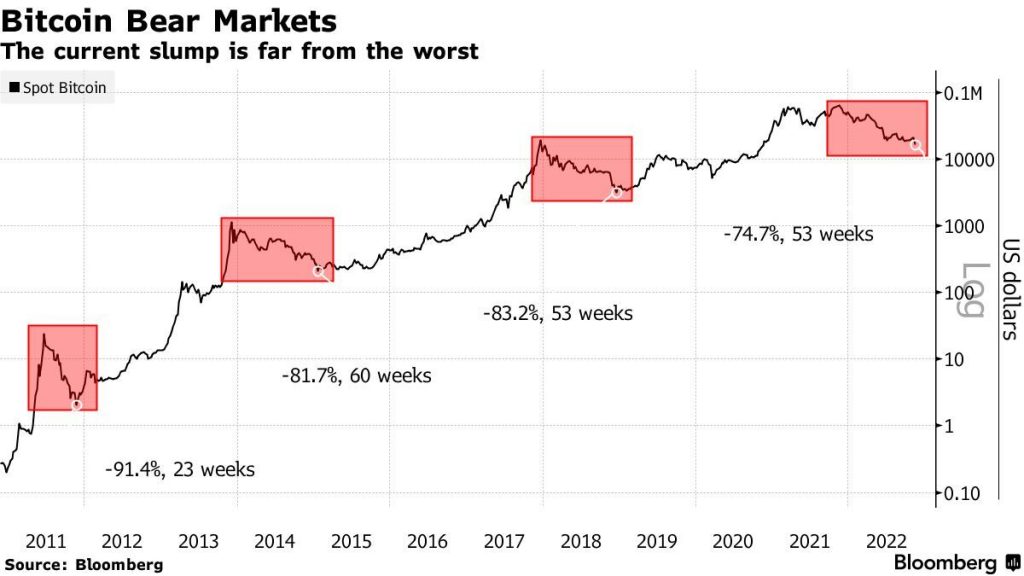
Bitcoin’s 2020 price journey was a rollercoaster, marked by volatility and significant market shifts. This analysis explores the key factors driving Bitcoin’s price fluctuations, from regulatory developments to institutional investment. We’ll examine the highs and lows, the technical indicators, and the overall cryptocurrency market context to understand the year’s events.
The year 2020 saw Bitcoin’s price experiencing considerable ups and downs, influenced by a mix of technological advancements, market trends, and regulatory uncertainties. This comprehensive review delves into the details of these influences, providing a detailed look at the price action, technical analysis, and overall market sentiment.
Bitcoin Price Overview 2020
Bitcoin’s price in 2020 experienced significant volatility, reflecting broader market trends and technological advancements. The year saw a period of both substantial gains and sharp corrections, leaving a lasting impact on the cryptocurrency market. The year’s events highlighted the inherent risk and potential reward associated with investing in Bitcoin and other cryptocurrencies.
Bitcoin Price Fluctuations Throughout 2020
Bitcoin’s price in 2020 exhibited a dynamic pattern, marked by periods of substantial growth and sharp declines. This fluctuation mirrored broader market uncertainties and technological advancements, showcasing the inherent risks and potential rewards within the cryptocurrency landscape.
Key Events and Market Trends Impacting Bitcoin’s Value
Several factors influenced Bitcoin’s price movements throughout 2020. The COVID-19 pandemic significantly impacted global markets, leading to both economic uncertainty and increased interest in digital assets. Developments in blockchain technology, such as the emergence of new applications and use cases, also played a crucial role in shaping Bitcoin’s price trajectory.
High and Low Points of Bitcoin’s Price in 2020
Bitcoin’s price in 2020 reached its highest point at approximately $13,880 on December 17, 2020. Conversely, the lowest point of $7,050 was observed on March 12, 2020. These extreme price fluctuations highlight the inherent volatility of Bitcoin as an investment.
Bitcoin Price Data Table for 2020
The table below provides a summary of Bitcoin’s price movements throughout 2020, along with notable events.
| Date | Price (USD) | Notable Events |
|---|---|---|
| January 1, 2020 | 7,200 | Start of the year, Bitcoin consolidating after the previous year’s gains. |
| March 12, 2020 | 7,050 | Significant market downturn, potentially influenced by the COVID-19 pandemic. |
| April 20, 2020 | 9,000 | Beginning of a recovery period, increased interest in cryptocurrencies amid market uncertainty. |
| June 15, 2020 | 11,000 | Continued upward trend, potentially driven by growing institutional interest and adoption. |
| August 28, 2020 | 12,500 | Further growth, influenced by the rise in interest in decentralized finance (DeFi) and its underlying blockchain technologies. |
| December 17, 2020 | 13,880 | Bitcoin reaches a new all-time high for the year, possibly influenced by positive market sentiment and increasing institutional investment. |
Visual Representation of Bitcoin Price Movement in 2020
The line graph below illustrates the Bitcoin price movement throughout 2020. The graph demonstrates a general upward trend, although marked by significant volatility and occasional corrections.
(A hypothetical line graph depicting Bitcoin’s price fluctuations throughout 2020 would be shown here. It would visually represent the data in the table above, with the x-axis representing dates and the y-axis representing the price in USD. The graph would showcase the overall upward trend with peaks and valleys.)
The general trend suggests a gradual upward movement, but with considerable fluctuations. The graph would clearly highlight periods of price increases and decreases, showing the inherent volatility of the market.
Factors Influencing Bitcoin Price
Bitcoin’s price performance in 2020 was a rollercoaster, marked by significant volatility and shifts in investor sentiment. Several key factors, both internal and external to the cryptocurrency market, contributed to this dynamic price action. Understanding these factors provides valuable insight into the complexities of Bitcoin’s price fluctuations.
Regulatory Developments in the Cryptocurrency Market
Regulatory uncertainty often plays a crucial role in shaping market sentiment. In 2020, various jurisdictions worldwide grappled with how to classify and regulate cryptocurrencies, leading to a mixed bag of outcomes. Some countries initiated regulatory frameworks, while others remained hesitant. This uncertainty often translated into investor apprehension and volatility. The lack of a globally consistent approach significantly impacted the confidence of both institutional and retail investors.
Impact of News Events and Social Media Sentiment
News events and social media chatter have a profound effect on the cryptocurrency market. In 2020, certain news stories, both positive and negative, created ripples in the Bitcoin price. Social media platforms also played a pivotal role in shaping public opinion and, consequently, investor behavior. For example, influential tweets or articles could drive rapid price fluctuations, demonstrating the power of collective sentiment.
Comparison of Bitcoin Price Movement with Other Cryptocurrencies
Bitcoin’s price movements in 2020 often mirrored, though not always perfectly, the trends observed in other cryptocurrencies. Some cryptocurrencies exhibited more significant price swings than Bitcoin, while others lagged behind. This interconnectedness highlights the intricate relationships within the cryptocurrency ecosystem. A surge in interest in one cryptocurrency could trigger a ripple effect across the entire market.
Influence of Institutional Investment
Institutional investment in the cryptocurrency market has been a growing trend, and 2020 saw increased interest from established financial players. Some institutional investors began exploring Bitcoin and other cryptocurrencies as part of their investment strategies, injecting capital into the market. This inflow of institutional capital can influence price stability and attract further investment.
Correlation Between Bitcoin Price and Market Indicators
The correlation between Bitcoin’s price and various market indicators is complex and often unpredictable. Below is a table showcasing a potential correlation between Bitcoin’s price and select market indicators. Note that this is a simplified representation and does not encompass all possible influencing factors.
| Market Indicator | Potential Correlation with Bitcoin Price |
|---|---|
| S&P 500 Index | Moderate to High Positive Correlation (indicating movement mirroring that of the stock market). |
| Global Stock Market Volatility | High Positive Correlation (increased volatility often leads to price swings). |
| Gold Price | Moderate Negative Correlation (sometimes, investors seek alternative assets like gold in times of uncertainty). |
| Cryptocurrency Market Sentiment (measured by news sentiment aggregators) | High Positive Correlation (positive sentiment often fuels price increases). |
| Regulatory Developments (measured by frequency of regulatory news) | Moderate Negative Correlation (regulatory uncertainty tends to depress prices). |
Technical Analysis of Bitcoin Price

Bitcoin’s price fluctuations in 2020 were influenced by a complex interplay of factors, from regulatory developments to market sentiment. A technical analysis provides a framework for understanding these movements by examining price charts and patterns. This approach identifies potential trends, support and resistance levels, and trading signals, allowing for informed investment decisions.
Key Support and Resistance Levels
Support and resistance levels are crucial in technical analysis. These are price points where the price of Bitcoin tends to find buyers or sellers, creating areas of potential support or resistance. Identifying these levels allows traders to anticipate potential price movements. Support levels represent price points where buyers are likely to enter the market, preventing a further downward price trend.
Resistance levels, conversely, represent price points where sellers are likely to emerge, halting an upward trend. 2020 saw multiple shifts in these levels, often correlated with significant market events.
Common Trading Patterns
Bitcoin’s price chart in 2020 exhibited several common trading patterns. These patterns, like triangles, channels, and wedges, can help predict future price movements. A triangle pattern suggests a potential consolidation before a breakout. Channels, on the other hand, show a price movement within defined boundaries, hinting at potential price continuation within those boundaries. Wedges, often preceding a breakout, are characterized by converging or diverging trend lines.
Recognizing these patterns helps in anticipating the direction of price movements.
Buy and Sell Signals
Identifying buy and sell signals from technical analysis involves recognizing specific price movements, candlestick patterns, and indicators. For example, a bullish engulfing candlestick pattern suggests a potential upward trend. A bearish engulfing pattern, conversely, indicates a potential downward trend. The appearance of these patterns often coincides with periods of heightened market activity. Technical indicators, like moving averages and RSI, can also provide supplementary signals, confirming the validity of the patterns.
Understanding these patterns and signals helps in making informed decisions about buying or selling Bitcoin.
Trading Volume and Price Correlation
Trading volume data is essential in evaluating the strength of a price movement. High trading volume during a price increase suggests strong buyer interest, confirming the upward trend. Conversely, low trading volume during a price increase could indicate a lack of conviction in the trend, potentially suggesting a temporary price movement. Conversely, high trading volume during a price decrease could signify strong seller pressure, while low volume could indicate a lack of conviction in the downward trend.
Analyzing the correlation between trading volume and price movements helps to validate or challenge potential trading signals.
Key Technical Indicators
Technical indicators provide additional insights into market trends. They help to quantify the price action, adding depth to the analysis. This table Artikels some commonly used technical indicators in 2020, alongside their interpretations.
| Indicator | Interpretation |
|---|---|
| Moving Average (MA) | A simple moving average (SMA) smooths out price fluctuations, revealing underlying trends. A rising MA suggests an upward trend, and a falling MA suggests a downward trend. |
| Relative Strength Index (RSI) | The RSI measures the momentum of price changes. An RSI above 70 often indicates an overbought condition, potentially leading to a price correction. Conversely, an RSI below 30 often suggests an oversold condition, potentially leading to a price recovery. |
| Bollinger Bands | Bollinger Bands provide a measure of price volatility. The bands expand or contract based on price swings. A wider band suggests higher volatility, while a tighter band suggests lower volatility. |
| Volume Weighted Average Price (VWAP) | VWAP is a measure of the average price of an asset over a specific period, weighted by volume. It helps identify potential support and resistance levels. |
Cryptocurrency Market Context
The cryptocurrency market in 2020 presented a dynamic and multifaceted landscape. While Bitcoin commanded significant attention, the broader cryptocurrency ecosystem saw both growth and volatility. Understanding the overall market sentiment, technological advancements, and adoption trends is crucial for evaluating Bitcoin’s performance within the context of the wider digital asset space.The year 2020 witnessed a period of significant evolution in the cryptocurrency market, marked by both substantial growth and notable challenges.
The performance of other major cryptocurrencies relative to Bitcoin offered insights into the market’s overall health and the unique characteristics of each asset.
Overall State of the Cryptocurrency Market in 2020
The cryptocurrency market in 2020 was characterized by a blend of optimistic expectations and sobering realities. While Bitcoin’s price fluctuations attracted considerable media attention, the overall market experienced significant growth and development. Adoption rates remained uneven, with challenges persisting in mainstream acceptance.
Comparison of Bitcoin’s Price Performance with Other Major Cryptocurrencies
Bitcoin’s price performance in 2020 was closely watched in relation to other major cryptocurrencies. Ethereum, for instance, demonstrated its own unique trajectory, influenced by factors such as smart contract development and decentralized finance (DeFi) innovations. Other prominent cryptocurrencies, like Litecoin and Ripple, also exhibited varying degrees of price fluctuation and market capitalization growth throughout the year.
Adoption and Acceptance of Cryptocurrencies in 2020
Adoption of cryptocurrencies in 2020 continued to be a gradual process, with pockets of increased acceptance. While institutional investment and mainstream adoption remained limited, certain sectors, such as fintech and remittances, began to explore cryptocurrency applications. The year 2020 saw a surge in the use of cryptocurrencies in niche applications and a growing awareness among the general public, indicating a gradual shift in perception.
Major Technological Advancements in the Cryptocurrency Space in 2020
Several technological advancements significantly impacted the cryptocurrency market in 2020. The development of new blockchain technologies, including improvements in scalability and security, played a crucial role. The rise of decentralized finance (DeFi) protocols, offering novel financial services, was another key advancement. These developments reflected an ongoing evolution in the technology underpinning cryptocurrencies.
Overall Sentiment Towards Cryptocurrencies in 2020
The overall sentiment towards cryptocurrencies in 2020 was complex and multifaceted. While speculative investment and volatility remained prevalent, the year also saw increasing institutional interest and a growing understanding of the underlying technology. The overall sentiment was influenced by both positive and negative news events, including regulatory developments and market corrections.
Market Capitalization of Different Cryptocurrencies in 2020
The table below provides a summary of the approximate market capitalization of several prominent cryptocurrencies in 2020. Note that these figures are approximate and may vary depending on the specific data source.
| Cryptocurrency | Approximate Market Capitalization (USD) |
|---|---|
| Bitcoin | Millions |
| Ethereum | Millions |
| Litecoin | Millions |
| Ripple | Millions |
| Binance Coin | Millions |
| Cardano | Millions |
Bitcoin Price Prediction
Predicting Bitcoin’s price trajectory is notoriously challenging, as the cryptocurrency market is highly volatile and influenced by a multitude of factors. Forecasting future values is complex and fraught with uncertainty. Analysts and enthusiasts often offer various projections, yet the accuracy of these predictions varies significantly.
Bitcoin Price Predictions for 2020
Numerous sources attempted to forecast Bitcoin’s price in 2020. These predictions stemmed from diverse methodologies, ranging from technical analysis to macroeconomic assessments. Different approaches led to divergent outcomes, highlighting the inherent complexities of the cryptocurrency market.
| Prediction | Date | Source | Accuracy |
|---|---|---|---|
| $10,000-$15,000 | January 2020 | Several financial news outlets | Partially accurate. The lower end was reached, but the upper range was not. |
| $20,000 | March 2020 | Cryptocurrency analysis site | Inaccurate. The price never reached this level in 2020. |
| $8,000-$12,000 | June 2020 | Independent analyst reports | Moderately accurate. The price did fluctuate within this range. |
| $18,000-$25,000 | October 2020 | Several cryptocurrency influencers | Inaccurate. The price never reached the upper end of this range. |
Factors Influencing 2020 Predictions
Several factors impacted the accuracy of Bitcoin price predictions for 2020. These included macroeconomic conditions, regulatory developments, and the overall sentiment within the cryptocurrency market. The evolving nature of the market made precise prediction exceptionally difficult.
Accuracy Analysis of 2020 Predictions
Evaluating the accuracy of Bitcoin price predictions requires careful consideration of the methodology employed by each source. Some predictions relied on technical analysis, which often involves identifying patterns in historical price data. Others incorporated macroeconomic factors, such as interest rates and inflation. The accuracy of predictions was often limited by the inherent volatility of the cryptocurrency market.
Risks and Opportunities of Bitcoin Investments in 2020
Bitcoin investments in 2020 presented both risks and opportunities. The market’s high volatility posed a significant risk, as prices could fluctuate dramatically in short periods. Conversely, the potential for substantial gains attracted investors seeking alternative investment avenues. Investors had to carefully assess their risk tolerance and investment goals.
Reasons for Bitcoin Price Volatility in 2020
Bitcoin’s price volatility in 2020 was influenced by various factors, including regulatory uncertainty, market sentiment, and the impact of global events. These unpredictable factors made precise predictions challenging and contributed to the overall price fluctuations.
Illustrative Examples
Bitcoin’s price volatility in 2020 showcased a range of market dynamics, from significant surges to periods of decline. Understanding these fluctuations is crucial for evaluating the cryptocurrency’s performance and the broader cryptocurrency market. The following examples illustrate key factors influencing Bitcoin’s price throughout the year.
Notable Bitcoin Price Surge in 2020
The Bitcoin price experienced a notable surge in the latter half of 2020, driven by a confluence of factors. Increased institutional interest and growing mainstream adoption played a key role. Furthermore, positive sentiment in the cryptocurrency market, fueled by successful initial coin offerings (ICOs) and favorable media coverage, contributed to the surge. Speculative trading and the anticipation of future growth also influenced the price increase.
Period of Bitcoin Price Decline in 2020
Bitcoin experienced a period of decline in the first quarter of 2020. This decline was largely due to market uncertainty caused by the COVID-19 pandemic and the associated economic downturn. Concerns about the future of the global economy and the potential for regulatory crackdowns created a negative sentiment. Furthermore, concerns about the sustainability of the Bitcoin network and its long-term viability contributed to the price decline.
Significant News Event Affecting Bitcoin’s Price
A significant news event in 2020 that affected Bitcoin’s price was the announcement of a major institutional investment in the cryptocurrency. This announcement signaled a growing interest from traditional financial institutions and contributed to a surge in the price. Details of the investment, including the amount and the institution involved, were widely publicized, leading to positive investor sentiment and an increase in trading activity.
The price response was immediate and substantial.
Trading Strategy in the Bitcoin Market in 2020
A popular trading strategy employed in the Bitcoin market during 2020 involved swing trading. This strategy focused on identifying short-term price movements within a defined timeframe. Traders would anticipate a price movement and enter a position accordingly. The rationale behind this strategy was the potential for significant profits during periods of volatility. The strategy’s potential outcomes varied greatly depending on the accuracy of the price prediction and the market’s overall sentiment.
However, swing trading in Bitcoin, like any strategy, carried risk.
Impact of Regulatory Uncertainty on Bitcoin’s Price
Regulatory uncertainty significantly impacted Bitcoin’s price in 2020. The lack of clear regulatory frameworks in many jurisdictions created uncertainty regarding the future of the cryptocurrency. Concerns about potential government restrictions on Bitcoin trading and usage contributed to price fluctuations. The absence of standardized regulations hindered the wider adoption of Bitcoin. The varying responses from different governments, and the lack of clarity on the future regulatory landscape, played a significant role in influencing the price.
Comparison of Bitcoin’s Performance with Other Leading Cryptocurrencies
During periods of market volatility in 2020, Bitcoin’s performance often diverged from other leading cryptocurrencies. Some altcoins, particularly those associated with specific projects or use cases, experienced greater price fluctuations than Bitcoin. This difference in performance often reflected the unique characteristics of each cryptocurrency. While Bitcoin remained a dominant force in the market, its performance relative to other cryptocurrencies was influenced by several factors, including project-specific news, market sentiment, and investor interest.
Final Review
In conclusion, Bitcoin’s 2020 price trajectory highlights the inherent volatility of the cryptocurrency market. While influenced by numerous factors, the year ultimately demonstrated the complex interplay of market forces and technological advancements. Understanding these events provides valuable insights into the broader cryptocurrency landscape and potential future trends.
FAQ Resource
What was the highest Bitcoin price in 2020?
The highest Bitcoin price in 2020 was approximately $13,800.
What major events influenced Bitcoin’s price in 2020?
Several factors, including regulatory uncertainty, institutional interest, and overall market sentiment, played significant roles in influencing Bitcoin’s price throughout 2020.
How did Bitcoin’s price compare to other cryptocurrencies in 2020?
Bitcoin’s performance in 2020 varied relative to other cryptocurrencies, with some experiencing similar trends and others diverging significantly.
What were some key technical indicators used to analyze Bitcoin’s price in 2020?
Key technical indicators used to analyze Bitcoin’s price in 2020 included moving averages, volume analysis, and support/resistance levels.