February 19, 2026

Cryptocurrency

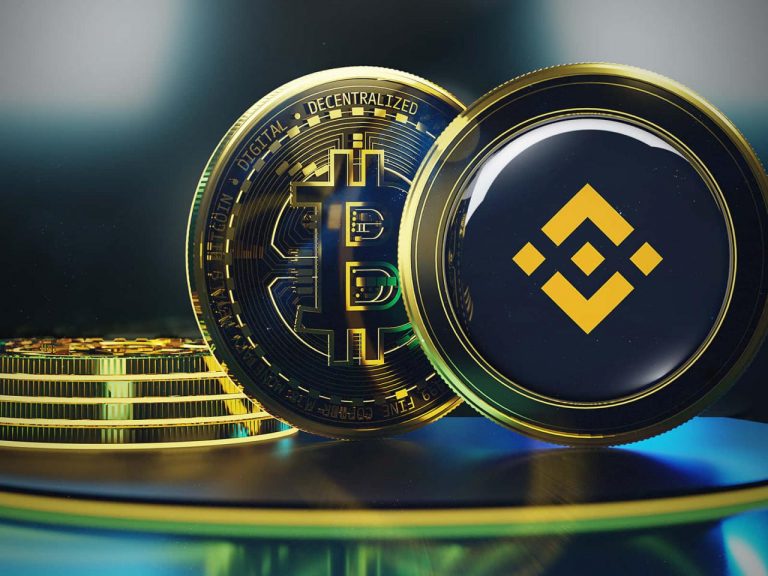
Dive into the world of cryptocurrency trading with Binance, the leading platform for buying Bitcoin and other cryptocurrencies. This guide provides a detailed overview of the process, covering everything from account creation to security best practices. Discover the factors that influence Bitcoin’s price and explore alternative options for acquiring crypto.

From understanding the platform to comparing Binance with other exchanges, this resource will empower you to make informed decisions in the exciting world of crypto investments.

Introduction to Binance and Bitcoin Trading

Binance is a globally recognized cryptocurrency exchange, renowned for its vast selection of cryptocurrencies, competitive trading fees, and user-friendly platform. It has become a significant player in the cryptocurrency market, attracting both novice and experienced traders. Bitcoin, the first and most well-known cryptocurrency, has a unique history and plays a pivotal role in the entire digital asset ecosystem.Binance’s origins lie in its founding in 2017, emerging at a time when the cryptocurrency market was rapidly evolving.

The platform quickly gained traction due to its robust infrastructure and commitment to innovation. Bitcoin, on the other hand, was introduced in 2009 by Satoshi Nakamoto, revolutionizing digital transactions with its decentralized nature. Bitcoin’s value has fluctuated significantly over the years, reflecting the inherent volatility of the cryptocurrency market. However, it remains a key component of the broader cryptocurrency landscape.

Binance as a Cryptocurrency Exchange

Binance stands out as one of the largest cryptocurrency exchanges globally, boasting a vast selection of trading pairs, including major cryptocurrencies like Bitcoin, Ethereum, and Litecoin, as well as a diverse range of altcoins. Its user-friendly interface and advanced trading tools cater to both beginners and experienced traders. Binance’s robust infrastructure, encompassing multiple security measures, aims to safeguard user assets and ensure a secure trading environment.

Significance of Bitcoin in the Cryptocurrency Market

Bitcoin’s pioneering role in the cryptocurrency market cannot be overstated. Its decentralized nature, underpinned by blockchain technology, has attracted considerable attention and investment. Bitcoin’s inherent volatility, coupled with its potential for high returns, has made it a significant asset class for investors. The historical price fluctuations of Bitcoin reflect the dynamic nature of the cryptocurrency market.

History and Evolution of Binance and Bitcoin

Binance’s journey has been marked by significant growth and innovation. From its inception, the exchange has expanded its offerings, added new features, and improved user experience. Bitcoin’s evolution has seen a gradual increase in adoption by businesses and individuals. The historical data of both Bitcoin’s price and Binance’s user base demonstrate the growth trajectory of these entities.

Comparison of Binance with Other Major Exchanges

Feature Binance Coinbase Kraken
Trading Volume High Medium Medium-High
Trading Pairs Very Extensive Extensive Extensive
Fees Competitive Competitive Competitive
Security Measures Robust Robust Robust

This table offers a concise comparison of Binance with two other prominent cryptocurrency exchanges, Coinbase, and Kraken. The key differentiators include trading volume, the variety of trading pairs offered, and the respective fee structures.

Advantages of Using Binance for Buying Bitcoin

  • Binance offers a vast selection of trading pairs, including Bitcoin, enabling users to explore various trading options.
  • Its user-friendly interface and intuitive design facilitate easy navigation and usage for both new and experienced users.
  • Binance’s commitment to security, through robust measures, aims to safeguard user funds and ensure a secure trading environment.
  • Competitive trading fees provide cost-effective transactions, making it an attractive option for users.

These benefits highlight the advantages of selecting Binance for purchasing Bitcoin.

Disadvantages of Using Binance for Buying Bitcoin

  • Binance, despite its global reach, may not be accessible in all regions, potentially limiting user base in certain areas.
  • The platform’s popularity and large user base can sometimes lead to technical issues or high transaction volume during peak periods.
  • While Binance prioritizes security, the inherent risks associated with cryptocurrency trading remain. No platform can guarantee 100% security.

These potential drawbacks should be considered before opting for Binance to acquire Bitcoin.

Understanding the Binance Platform for Bitcoin Purchases

Binance, a prominent cryptocurrency exchange, offers a user-friendly platform for buying Bitcoin and other cryptocurrencies. Navigating the platform effectively is crucial for smooth transactions and minimizing potential pitfalls. This section delves into the specifics of creating and verifying an account, exploring payment options, and providing a step-by-step guide for purchasing Bitcoin.

Account Creation on Binance

Creating a Binance account is straightforward. Users need to provide basic personal information, including an email address and a strong password. This information is crucial for account security and should be treated with the utmost care. The process typically involves filling out a registration form and confirming the email address via a verification link.

Account Verification on Binance

Account verification is a security measure to protect both the user and Binance’s platform. Binance’s verification process involves providing supporting documentation to confirm the user’s identity. This documentation usually includes government-issued photo identification and proof of address. Thorough verification ensures compliance with regulations and reduces the risk of fraudulent activities.

Payment Methods for Bitcoin Purchases

Binance supports a wide array of payment methods for purchasing Bitcoin. These methods include bank transfers, credit/debit cards, and various digital wallets. The availability of specific payment methods may vary based on user location and regional regulations. Choosing the appropriate method depends on individual preferences and convenience.

Buying Bitcoin on Binance: A Step-by-Step Guide

  1. Log in to your Binance account.
  2. Navigate to the “Trade” section of the platform.
  3. Select “Spot” trading.
  4. Choose Bitcoin (BTC) as the trading pair.
  5. Specify the amount of Bitcoin you wish to purchase.
  6. Select a buying method (e.g., bank transfer, credit card). Consider fees and transaction times when selecting a method.
  7. Review the transaction details and confirm the purchase.

The above steps Artikel the general process. Specific steps may vary based on the chosen payment method and individual account settings.

Fees Comparison for Bitcoin Buying Methods

Payment Method Typical Fee Structure
Bank Transfer Usually lower, but with longer transaction times.
Credit/Debit Card Higher fees than bank transfers, but faster processing.
Cryptocurrency Wallet Transfer Generally low, if any, fees, but may be subject to network congestion.

Note: Fees can vary based on the specific bank, card, or wallet used, as well as exchange policies and volume. Always review the details of the chosen method before proceeding.

Factors Influencing Bitcoin Price and Binance Trading

Download Get the most out of your crypto trading experience with ...

Bitcoin’s price, a key metric in the cryptocurrency market, is a dynamic entity constantly responding to a multitude of forces. Understanding these influences is crucial for navigating the Binance platform and making informed decisions about Bitcoin trading. These factors interact in complex ways, making precise predictions challenging, but analyzing them can provide valuable insights.

Key Factors Affecting Bitcoin Price

Several factors significantly impact Bitcoin’s price. These range from fundamental economic conditions to market sentiment and regulatory developments. A comprehensive understanding of these forces is critical for successful trading on Binance.

  • Market Sentiment: Public perception and investor confidence play a vital role in shaping Bitcoin’s price. Positive sentiment often leads to increased demand, driving prices upward, and vice versa. For example, news articles highlighting positive adoption trends in institutional investment often correlate with price increases.
  • Regulatory Changes: Government regulations and policies surrounding cryptocurrencies can dramatically influence Bitcoin’s price. Changes in legislation regarding taxation, trading, or usage can cause significant shifts in the market. For instance, a country banning cryptocurrency transactions could cause a significant drop in price.
  • News Events: Significant news events, both global and localized, can influence market sentiment and thus, Bitcoin’s price. These events can be anything from geopolitical tensions to breakthroughs in blockchain technology. A major hack or security breach in a cryptocurrency exchange could cause a sharp price decline.
  • Economic Conditions: Macroeconomic factors such as inflation, interest rates, and overall economic growth also affect Bitcoin’s price. When economic uncertainty increases, Bitcoin often serves as a safe haven asset, attracting investors seeking stability. This has been observed in periods of high inflation or economic crises.
  • Technological Advancements: Innovations in blockchain technology and the development of new cryptocurrencies can affect Bitcoin’s price. Competition and the emergence of superior technologies can lead to market shifts.

Market Sentiment’s Role in Price Fluctuations

Market sentiment is a crucial driver of Bitcoin price volatility. It’s the aggregate feeling of investors toward the cryptocurrency market. When positive sentiment prevails, investors are more likely to buy, leading to price increases. Conversely, negative sentiment can lead to selling pressure, causing prices to fall. Social media trends and online discussions often reflect the prevailing sentiment.

A shift in public opinion can trigger rapid and substantial price changes.

Influence of Regulatory Changes on Bitcoin Trading

Regulatory changes significantly affect the cryptocurrency market, including Bitcoin trading on Binance. Clear regulatory frameworks can foster investor confidence and promote market stability, while ambiguous or restrictive regulations can lead to uncertainty and volatility. Regulatory clarity is essential for long-term market growth. For instance, a nation legalizing Bitcoin transactions can lead to increased investor interest and a rise in the price.

Impact of News Events on the Cryptocurrency Market

News events, whether related to Bitcoin, the cryptocurrency market, or broader global events, can have substantial impacts on Bitcoin trading. A significant news story can cause a temporary spike or dip in price, depending on the interpretation and response of investors. For example, announcements of new partnerships or breakthroughs in blockchain technology can lead to positive price movements.

Bitcoin Price Trends Over Time

Analyzing historical price trends helps traders understand Bitcoin’s price behavior and potential future movements. This section presents a structured comparison of Bitcoin price trends across various time periods.

Time Period General Trend Key Events
2017-2018 Significant price increase followed by a sharp correction Initial institutional interest, regulatory uncertainty
2019-2020 Relative price stability and consolidation Development of new cryptocurrencies, market maturation
2021-2022 Dramatic price increase followed by a substantial decline Increased institutional adoption, regulatory scrutiny, macroeconomic factors

Security and Risk Management in Binance Bitcoin Trading

Binance, a prominent cryptocurrency exchange, employs various security measures to protect user funds. These measures, while robust, do not eliminate all risk. Understanding the inherent risks of cryptocurrency trading, coupled with sound risk management strategies, is crucial for successful and secure participation in the market.Trading Bitcoin on Binance, like any investment, carries inherent risks. Price volatility, regulatory uncertainty, and the potential for hacking or fraud are all factors to consider.

Implementing appropriate risk management techniques is vital to mitigate these potential losses.

Binance’s Security Measures

Binance utilizes a multi-layered security approach to protect user funds and data. This includes advanced encryption technologies, robust two-factor authentication (2FA) protocols, and constant monitoring for suspicious activity. Their security team proactively identifies and addresses potential threats, often working with law enforcement to combat fraudulent activities. The exchange also employs sophisticated algorithms to detect and prevent illicit transactions.

Risks Associated with Bitcoin Trading on Binance

Bitcoin’s price is notoriously volatile, fluctuating significantly over short periods. This volatility can lead to substantial losses if not managed effectively. Market manipulation, regulatory changes, and security breaches are also potential risks. Furthermore, the inherent anonymity associated with cryptocurrencies can pose challenges in tracing illicit activities. Understanding these risks and implementing mitigation strategies is crucial for a successful trading journey.

Risk Management Strategies

Effective risk management in cryptocurrency investments involves diversifying your portfolio across various cryptocurrencies, setting stop-loss orders, and adhering to a pre-defined investment strategy. This involves carefully evaluating your financial capacity and setting realistic goals. Monitoring market trends and economic indicators can also help you make informed decisions. Never invest more than you can afford to lose.

Common Cryptocurrency Exchange Scams

  • Phishing Scams: These scams attempt to trick users into revealing their login credentials through deceptive emails, websites, or messages that mimic legitimate platforms. Users should be wary of unsolicited communications requesting sensitive information.
  • Fake Investment Schemes: Fraudsters often create fraudulent investment schemes promising high returns on cryptocurrency investments. These schemes often involve manipulating prices or creating false market trends.
  • Pump and Dump Schemes: These schemes involve artificially inflating the price of a cryptocurrency through coordinated buying pressure and then quickly selling it off to profit from the price increase, leaving investors with losses.
  • Malware and Viruses: Malicious software can compromise user accounts and steal sensitive information. Always use reputable antivirus software and be cautious about downloading unknown files or clicking suspicious links.
  • Account Takeovers: Criminals attempt to gain control of user accounts through various methods, including brute-force attacks, social engineering, and exploiting security vulnerabilities.

Securing Your Binance Account and Bitcoin Holdings

Strong passwords, enabling 2FA, and regularly reviewing your account activity are essential for protecting your Binance account. Implementing strong password practices, such as using unique and complex passwords, is vital. Regularly monitoring your account for suspicious activity is paramount. Consider using a reputable hardware wallet to store your Bitcoin offline for added security. This significantly reduces the risk of online theft or hacking.

Alternatives and Comparisons to Buying Bitcoin on Binance

Exploring various cryptocurrency exchanges and alternative purchasing methods provides investors with broader options for acquiring Bitcoin and other cryptocurrencies. Understanding the features and limitations of different platforms is crucial for informed decision-making. Choosing the right platform depends on individual needs and preferences, considering factors such as security, fees, and user experience.Comparing Binance with other major exchanges allows investors to weigh the pros and cons of each platform.

Different exchanges cater to various user needs and preferences, leading to distinct advantages and disadvantages. This analysis will help in identifying alternative platforms for Bitcoin trading and alternative purchasing methods outside of Binance.

Comparison of Major Cryptocurrency Exchanges

Several reputable cryptocurrency exchanges provide Bitcoin trading services, each with its own set of strengths and weaknesses. A comparative analysis helps users assess the most suitable platform for their investment goals.

Exchange Pros Cons
Binance Wide range of cryptocurrencies, low fees, robust trading tools. Potentially high volatility, regulatory scrutiny in some regions.
Coinbase User-friendly interface, strong security measures, regulated in many jurisdictions. Limited trading options compared to Binance, higher fees for certain trades.
Kraken Excellent security record, advanced trading tools, good liquidity. Steeper learning curve, potentially higher fees for less experienced traders.
Gemini Highly secure platform, excellent customer support, regulated by the New York State Department of Financial Services. Fewer trading options compared to Binance, potentially higher fees for certain trades.

Alternative Methods for Purchasing Bitcoin

Beyond cryptocurrency exchanges, several alternative methods exist for acquiring Bitcoin. These options may suit specific needs or preferences.

  • Peer-to-peer (P2P) platforms:
  • These platforms connect buyers and sellers directly, potentially offering lower fees compared to exchanges. However, users must be cautious of scams and security risks when dealing with individuals.
  • Bitcoin ATMs:
  • These machines allow users to buy and sell Bitcoin using cash. They are readily available in many locations, offering a convenient, although potentially more expensive, method for purchasing Bitcoin. Fees and accessibility can vary considerably.
  • Gift cards and other payment methods:
  • Some exchanges and platforms accept gift cards, payment processors, and other methods to facilitate Bitcoin purchases. This provides flexibility for users accustomed to using different payment systems.

Flowchart of Bitcoin Purchasing Processes

                        +-----------------+
                        |  Start          |
                        +-----------------+
                                |
                                V
                        +---------------+
                        |   Choose a     |
                        |   Platform    |
                        +---------------+
                                |
                                V
                        +-----------------+
                        |  Binance (or   |
                        |   Alternative) |
                        +-----------------+
                                |
                                V
                        +-----------------+
                        |   Deposit Funds |
                        +-----------------+
                                |
                                V
                        +-----------------+
                        |   Buy Bitcoin   |
                        +-----------------+
                                |
                                V
                        +-----------------+
                        |   Receive Bitcoin|
                        +-----------------+

Buying Bitcoin (General Information)

Acquiring Bitcoin involves navigating various avenues, each with its own characteristics and considerations. Understanding the process, from exchanges to peer-to-peer platforms, empowers informed decision-making. This section details the methods and steps involved in purchasing Bitcoin, emphasizing the importance of security and responsible practices.

Purchasing Bitcoin from Exchanges

Exchanges are centralized platforms facilitating the buying and selling of cryptocurrencies, including Bitcoin. They often provide a user-friendly interface, making transactions relatively straightforward. A significant advantage is the availability of various payment methods, typically including fiat currencies like USD, EUR, and GBP. The process generally involves creating an account, verifying identity, funding the account with fiat currency, and then placing an order to buy Bitcoin.

Purchasing Bitcoin from Marketplaces

Marketplaces, while offering a wider selection of cryptocurrencies, often involve a more direct approach to buying and selling. This may involve engaging in peer-to-peer (P2P) transactions or over-the-counter (OTC) markets. These marketplaces often have lower fees compared to exchanges but may involve a higher level of risk due to the lack of centralized oversight.

Purchasing Bitcoin Using Fiat Currency

The process of purchasing Bitcoin using fiat currency, such as USD, typically involves these steps:

  • Account Creation: Users typically need to create an account on the chosen exchange or platform.
  • Verification: Identity verification is a crucial security step, often involving providing identification documents.
  • Funding Account: Depositing fiat currency into the exchange account.
  • Placing Order: Submitting a buy order for a specified amount of Bitcoin at a desired price.
  • Transaction Confirmation: Confirmation of the transaction, which usually involves a waiting period.
  • Receiving Bitcoin: The purchased Bitcoin is then credited to the user’s wallet.

Bitcoin Wallets

Bitcoin wallets are essential for storing and managing Bitcoin holdings. They act as digital repositories for your Bitcoin, ensuring secure access and control. Different types of wallets exist, each with varying levels of security and usability. Hardware wallets, for instance, offer enhanced security by storing the private keys offline. Software wallets, on the other hand, are accessible through a computer or mobile device.

Mobile wallets often integrate with exchanges, streamlining the process of buying and selling.

Bitcoin Transactions

Bitcoin transactions are fundamentally record-keeping entries in a public ledger called the blockchain. The transfer of Bitcoin from one wallet to another involves the following simplified process:

Sender Recipient Transaction Details
Wallet A Wallet B Bitcoin Amount, Transaction ID, Timestamp

The transaction details are broadcast across the network and validated by nodes in the network. Once verified, the transaction is added to the blockchain, permanently recording the transfer. This ensures transparency and immutability.

Additional Considerations for Buying Bitcoin and Crypto on Binance

Buying Bitcoin and other cryptocurrencies on platforms like Binance involves more than just executing a trade. Understanding the potential tax implications, regulatory landscape, and the broader future of the cryptocurrency market is crucial for informed decision-making. This section delves into these important considerations.

Tax Implications of Bitcoin Transactions

Tax laws regarding cryptocurrency transactions vary significantly by jurisdiction. Understanding these differences is essential. For example, in some countries, Bitcoin transactions might be treated as capital gains, subject to specific tax rates. In others, they might be treated as ordinary income. Consult with a qualified tax advisor to determine the appropriate tax treatment for your specific situation.

Failure to comply with local tax regulations can lead to penalties and legal issues.

Impact of Cryptocurrency Regulations

Cryptocurrency regulations are evolving rapidly across the globe. Governments are increasingly enacting laws and policies that affect how cryptocurrencies can be traded, held, and used. These regulations can range from licensing requirements for exchanges to restrictions on specific types of transactions. For instance, certain countries might impose limitations on anonymous transactions or introduce specific tax obligations for cryptocurrency trading profits.

Staying informed about these regulatory changes is vital for navigating the cryptocurrency market effectively.

Resources for Further Learning

Staying updated on the ever-evolving world of Bitcoin and cryptocurrency requires continuous learning. Numerous resources provide valuable insights. Official websites of regulatory bodies, reputable financial news outlets, and academic research papers offer detailed information. Joining online communities and forums dedicated to cryptocurrency trading can also provide a platform for discussion and learning from experienced traders.

Frequently Asked Questions (FAQ)

Question Answer
What are the common tax implications for Bitcoin trading on Binance? Tax implications vary by location. Consult with a tax professional for personalized advice.
How can I stay informed about changing cryptocurrency regulations? Follow reputable financial news sources and official government announcements related to cryptocurrencies.
Are there specific security measures I should take when trading on Binance? Absolutely. Always use strong passwords, enable two-factor authentication, and be cautious about phishing attempts.
What are the risks associated with cryptocurrency investments? Volatility, security risks, and regulatory uncertainties are all potential risks. Thorough research and risk management strategies are essential.
How can I assess the reliability of cryptocurrency information? Seek out information from credible sources, such as financial news outlets with established reputations, and avoid unverified social media posts or forums.

Future of Bitcoin and Cryptocurrency Investments

The future of Bitcoin and cryptocurrency investments is uncertain but holds significant potential. Several factors could influence its trajectory:

  • Technological advancements: Improvements in blockchain technology and related protocols could enhance efficiency and security, potentially driving wider adoption.
  • Regulatory clarity: Consistent and predictable regulatory frameworks in different jurisdictions could foster trust and attract institutional investors, leading to increased market capitalization.
  • Integration with financial systems: Widespread adoption by traditional financial institutions could lead to wider accessibility and acceptance, potentially boosting mainstream adoption.
  • Global economic events: Major economic shifts or crises could impact the market sentiment and value of cryptocurrencies.
  • Public perception: Positive public perception and increased awareness could lead to greater mainstream acceptance and investment.

Closing Summary

In conclusion, buying Bitcoin and crypto on Binance offers a gateway to the digital asset market. This guide has illuminated the process, risks, and alternatives. Remember to prioritize security and conduct thorough research before investing. By understanding the factors influencing prices and the available options, you can navigate this dynamic market effectively.

FAQ Section

What are the typical fees for buying Bitcoin on Binance?

Binance charges fees based on the payment method used and the volume of transactions. Different methods have different associated fees, and volume-based discounts may apply. Refer to Binance’s official fee schedule for detailed information.

What security measures does Binance employ?

Binance utilizes various security measures to protect user funds, including multi-factor authentication, advanced fraud detection systems, and encryption protocols. However, users are still responsible for maintaining strong passwords and practicing safe online habits.

What are some common scams related to cryptocurrency exchanges?

Common cryptocurrency exchange scams include phishing attempts, fake investment schemes, and impersonation tactics. Be wary of unsolicited offers and verify the legitimacy of any platform or individual requesting funds.

How do I manage the risks associated with Bitcoin investments?

Risk management involves diversification, setting realistic expectations, and understanding the volatility of the market. Consider factors like your risk tolerance, financial goals, and available capital when creating an investment strategy.

Bitcoin’s 2020 price journey was a rollercoaster, marked by volatility and significant market shifts. This analysis explores the key factors driving Bitcoin’s price fluctuations, from regulatory developments to institutional investment. We’ll examine the highs and lows, the technical indicators, and the overall cryptocurrency market context to understand the year’s events.

The year 2020 saw Bitcoin’s price experiencing considerable ups and downs, influenced by a mix of technological advancements, market trends, and regulatory uncertainties. This comprehensive review delves into the details of these influences, providing a detailed look at the price action, technical analysis, and overall market sentiment.

Bitcoin Price Overview 2020

Bitcoin’s price in 2020 experienced significant volatility, reflecting broader market trends and technological advancements. The year saw a period of both substantial gains and sharp corrections, leaving a lasting impact on the cryptocurrency market. The year’s events highlighted the inherent risk and potential reward associated with investing in Bitcoin and other cryptocurrencies.

Bitcoin Price Fluctuations Throughout 2020

Bitcoin’s price in 2020 exhibited a dynamic pattern, marked by periods of substantial growth and sharp declines. This fluctuation mirrored broader market uncertainties and technological advancements, showcasing the inherent risks and potential rewards within the cryptocurrency landscape.

Key Events and Market Trends Impacting Bitcoin’s Value

Several factors influenced Bitcoin’s price movements throughout 2020. The COVID-19 pandemic significantly impacted global markets, leading to both economic uncertainty and increased interest in digital assets. Developments in blockchain technology, such as the emergence of new applications and use cases, also played a crucial role in shaping Bitcoin’s price trajectory.

High and Low Points of Bitcoin’s Price in 2020

Bitcoin’s price in 2020 reached its highest point at approximately $13,880 on December 17, 2020. Conversely, the lowest point of $7,050 was observed on March 12, 2020. These extreme price fluctuations highlight the inherent volatility of Bitcoin as an investment.

Bitcoin Price Data Table for 2020

The table below provides a summary of Bitcoin’s price movements throughout 2020, along with notable events.

Date Price (USD) Notable Events
January 1, 2020 7,200 Start of the year, Bitcoin consolidating after the previous year’s gains.
March 12, 2020 7,050 Significant market downturn, potentially influenced by the COVID-19 pandemic.
April 20, 2020 9,000 Beginning of a recovery period, increased interest in cryptocurrencies amid market uncertainty.
June 15, 2020 11,000 Continued upward trend, potentially driven by growing institutional interest and adoption.
August 28, 2020 12,500 Further growth, influenced by the rise in interest in decentralized finance (DeFi) and its underlying blockchain technologies.
December 17, 2020 13,880 Bitcoin reaches a new all-time high for the year, possibly influenced by positive market sentiment and increasing institutional investment.

Visual Representation of Bitcoin Price Movement in 2020

The line graph below illustrates the Bitcoin price movement throughout 2020. The graph demonstrates a general upward trend, although marked by significant volatility and occasional corrections.

(A hypothetical line graph depicting Bitcoin’s price fluctuations throughout 2020 would be shown here. It would visually represent the data in the table above, with the x-axis representing dates and the y-axis representing the price in USD. The graph would showcase the overall upward trend with peaks and valleys.)

The general trend suggests a gradual upward movement, but with considerable fluctuations. The graph would clearly highlight periods of price increases and decreases, showing the inherent volatility of the market.

Factors Influencing Bitcoin Price

Bitcoin’s price performance in 2020 was a rollercoaster, marked by significant volatility and shifts in investor sentiment. Several key factors, both internal and external to the cryptocurrency market, contributed to this dynamic price action. Understanding these factors provides valuable insight into the complexities of Bitcoin’s price fluctuations.

Regulatory Developments in the Cryptocurrency Market

Regulatory uncertainty often plays a crucial role in shaping market sentiment. In 2020, various jurisdictions worldwide grappled with how to classify and regulate cryptocurrencies, leading to a mixed bag of outcomes. Some countries initiated regulatory frameworks, while others remained hesitant. This uncertainty often translated into investor apprehension and volatility. The lack of a globally consistent approach significantly impacted the confidence of both institutional and retail investors.

Impact of News Events and Social Media Sentiment

News events and social media chatter have a profound effect on the cryptocurrency market. In 2020, certain news stories, both positive and negative, created ripples in the Bitcoin price. Social media platforms also played a pivotal role in shaping public opinion and, consequently, investor behavior. For example, influential tweets or articles could drive rapid price fluctuations, demonstrating the power of collective sentiment.

Comparison of Bitcoin Price Movement with Other Cryptocurrencies

Bitcoin’s price movements in 2020 often mirrored, though not always perfectly, the trends observed in other cryptocurrencies. Some cryptocurrencies exhibited more significant price swings than Bitcoin, while others lagged behind. This interconnectedness highlights the intricate relationships within the cryptocurrency ecosystem. A surge in interest in one cryptocurrency could trigger a ripple effect across the entire market.

Influence of Institutional Investment

Institutional investment in the cryptocurrency market has been a growing trend, and 2020 saw increased interest from established financial players. Some institutional investors began exploring Bitcoin and other cryptocurrencies as part of their investment strategies, injecting capital into the market. This inflow of institutional capital can influence price stability and attract further investment.

Correlation Between Bitcoin Price and Market Indicators

The correlation between Bitcoin’s price and various market indicators is complex and often unpredictable. Below is a table showcasing a potential correlation between Bitcoin’s price and select market indicators. Note that this is a simplified representation and does not encompass all possible influencing factors.

Market Indicator Potential Correlation with Bitcoin Price
S&P 500 Index Moderate to High Positive Correlation (indicating movement mirroring that of the stock market).
Global Stock Market Volatility High Positive Correlation (increased volatility often leads to price swings).
Gold Price Moderate Negative Correlation (sometimes, investors seek alternative assets like gold in times of uncertainty).
Cryptocurrency Market Sentiment (measured by news sentiment aggregators) High Positive Correlation (positive sentiment often fuels price increases).
Regulatory Developments (measured by frequency of regulatory news) Moderate Negative Correlation (regulatory uncertainty tends to depress prices).

Technical Analysis of Bitcoin Price

Bitcoin Price In May 2024 Usd - Austin Micheline

Bitcoin’s price fluctuations in 2020 were influenced by a complex interplay of factors, from regulatory developments to market sentiment. A technical analysis provides a framework for understanding these movements by examining price charts and patterns. This approach identifies potential trends, support and resistance levels, and trading signals, allowing for informed investment decisions.

Key Support and Resistance Levels

Support and resistance levels are crucial in technical analysis. These are price points where the price of Bitcoin tends to find buyers or sellers, creating areas of potential support or resistance. Identifying these levels allows traders to anticipate potential price movements. Support levels represent price points where buyers are likely to enter the market, preventing a further downward price trend.

Resistance levels, conversely, represent price points where sellers are likely to emerge, halting an upward trend. 2020 saw multiple shifts in these levels, often correlated with significant market events.

Common Trading Patterns

Bitcoin’s price chart in 2020 exhibited several common trading patterns. These patterns, like triangles, channels, and wedges, can help predict future price movements. A triangle pattern suggests a potential consolidation before a breakout. Channels, on the other hand, show a price movement within defined boundaries, hinting at potential price continuation within those boundaries. Wedges, often preceding a breakout, are characterized by converging or diverging trend lines.

Recognizing these patterns helps in anticipating the direction of price movements.

Buy and Sell Signals

Identifying buy and sell signals from technical analysis involves recognizing specific price movements, candlestick patterns, and indicators. For example, a bullish engulfing candlestick pattern suggests a potential upward trend. A bearish engulfing pattern, conversely, indicates a potential downward trend. The appearance of these patterns often coincides with periods of heightened market activity. Technical indicators, like moving averages and RSI, can also provide supplementary signals, confirming the validity of the patterns.

Understanding these patterns and signals helps in making informed decisions about buying or selling Bitcoin.

Trading Volume and Price Correlation

Trading volume data is essential in evaluating the strength of a price movement. High trading volume during a price increase suggests strong buyer interest, confirming the upward trend. Conversely, low trading volume during a price increase could indicate a lack of conviction in the trend, potentially suggesting a temporary price movement. Conversely, high trading volume during a price decrease could signify strong seller pressure, while low volume could indicate a lack of conviction in the downward trend.

Analyzing the correlation between trading volume and price movements helps to validate or challenge potential trading signals.

Key Technical Indicators

Technical indicators provide additional insights into market trends. They help to quantify the price action, adding depth to the analysis. This table Artikels some commonly used technical indicators in 2020, alongside their interpretations.

Indicator Interpretation
Moving Average (MA) A simple moving average (SMA) smooths out price fluctuations, revealing underlying trends. A rising MA suggests an upward trend, and a falling MA suggests a downward trend.
Relative Strength Index (RSI) The RSI measures the momentum of price changes. An RSI above 70 often indicates an overbought condition, potentially leading to a price correction. Conversely, an RSI below 30 often suggests an oversold condition, potentially leading to a price recovery.
Bollinger Bands Bollinger Bands provide a measure of price volatility. The bands expand or contract based on price swings. A wider band suggests higher volatility, while a tighter band suggests lower volatility.
Volume Weighted Average Price (VWAP) VWAP is a measure of the average price of an asset over a specific period, weighted by volume. It helps identify potential support and resistance levels.

Cryptocurrency Market Context

The cryptocurrency market in 2020 presented a dynamic and multifaceted landscape. While Bitcoin commanded significant attention, the broader cryptocurrency ecosystem saw both growth and volatility. Understanding the overall market sentiment, technological advancements, and adoption trends is crucial for evaluating Bitcoin’s performance within the context of the wider digital asset space.The year 2020 witnessed a period of significant evolution in the cryptocurrency market, marked by both substantial growth and notable challenges.

The performance of other major cryptocurrencies relative to Bitcoin offered insights into the market’s overall health and the unique characteristics of each asset.

Overall State of the Cryptocurrency Market in 2020

The cryptocurrency market in 2020 was characterized by a blend of optimistic expectations and sobering realities. While Bitcoin’s price fluctuations attracted considerable media attention, the overall market experienced significant growth and development. Adoption rates remained uneven, with challenges persisting in mainstream acceptance.

Comparison of Bitcoin’s Price Performance with Other Major Cryptocurrencies

Bitcoin’s price performance in 2020 was closely watched in relation to other major cryptocurrencies. Ethereum, for instance, demonstrated its own unique trajectory, influenced by factors such as smart contract development and decentralized finance (DeFi) innovations. Other prominent cryptocurrencies, like Litecoin and Ripple, also exhibited varying degrees of price fluctuation and market capitalization growth throughout the year.

Adoption and Acceptance of Cryptocurrencies in 2020

Adoption of cryptocurrencies in 2020 continued to be a gradual process, with pockets of increased acceptance. While institutional investment and mainstream adoption remained limited, certain sectors, such as fintech and remittances, began to explore cryptocurrency applications. The year 2020 saw a surge in the use of cryptocurrencies in niche applications and a growing awareness among the general public, indicating a gradual shift in perception.

Major Technological Advancements in the Cryptocurrency Space in 2020

Several technological advancements significantly impacted the cryptocurrency market in 2020. The development of new blockchain technologies, including improvements in scalability and security, played a crucial role. The rise of decentralized finance (DeFi) protocols, offering novel financial services, was another key advancement. These developments reflected an ongoing evolution in the technology underpinning cryptocurrencies.

Overall Sentiment Towards Cryptocurrencies in 2020

The overall sentiment towards cryptocurrencies in 2020 was complex and multifaceted. While speculative investment and volatility remained prevalent, the year also saw increasing institutional interest and a growing understanding of the underlying technology. The overall sentiment was influenced by both positive and negative news events, including regulatory developments and market corrections.

Market Capitalization of Different Cryptocurrencies in 2020

The table below provides a summary of the approximate market capitalization of several prominent cryptocurrencies in 2020. Note that these figures are approximate and may vary depending on the specific data source.

Cryptocurrency Approximate Market Capitalization (USD)
Bitcoin Millions
Ethereum Millions
Litecoin Millions
Ripple Millions
Binance Coin Millions
Cardano Millions

Bitcoin Price Prediction

Predicting Bitcoin’s price trajectory is notoriously challenging, as the cryptocurrency market is highly volatile and influenced by a multitude of factors. Forecasting future values is complex and fraught with uncertainty. Analysts and enthusiasts often offer various projections, yet the accuracy of these predictions varies significantly.

Bitcoin Price Predictions for 2020

Numerous sources attempted to forecast Bitcoin’s price in 2020. These predictions stemmed from diverse methodologies, ranging from technical analysis to macroeconomic assessments. Different approaches led to divergent outcomes, highlighting the inherent complexities of the cryptocurrency market.

Prediction Date Source Accuracy
$10,000-$15,000 January 2020 Several financial news outlets Partially accurate. The lower end was reached, but the upper range was not.
$20,000 March 2020 Cryptocurrency analysis site Inaccurate. The price never reached this level in 2020.
$8,000-$12,000 June 2020 Independent analyst reports Moderately accurate. The price did fluctuate within this range.
$18,000-$25,000 October 2020 Several cryptocurrency influencers Inaccurate. The price never reached the upper end of this range.

Factors Influencing 2020 Predictions

Several factors impacted the accuracy of Bitcoin price predictions for 2020. These included macroeconomic conditions, regulatory developments, and the overall sentiment within the cryptocurrency market. The evolving nature of the market made precise prediction exceptionally difficult.

Accuracy Analysis of 2020 Predictions

Evaluating the accuracy of Bitcoin price predictions requires careful consideration of the methodology employed by each source. Some predictions relied on technical analysis, which often involves identifying patterns in historical price data. Others incorporated macroeconomic factors, such as interest rates and inflation. The accuracy of predictions was often limited by the inherent volatility of the cryptocurrency market.

Risks and Opportunities of Bitcoin Investments in 2020

Bitcoin investments in 2020 presented both risks and opportunities. The market’s high volatility posed a significant risk, as prices could fluctuate dramatically in short periods. Conversely, the potential for substantial gains attracted investors seeking alternative investment avenues. Investors had to carefully assess their risk tolerance and investment goals.

Reasons for Bitcoin Price Volatility in 2020

Bitcoin’s price volatility in 2020 was influenced by various factors, including regulatory uncertainty, market sentiment, and the impact of global events. These unpredictable factors made precise predictions challenging and contributed to the overall price fluctuations.

Illustrative Examples

Bitcoin’s price volatility in 2020 showcased a range of market dynamics, from significant surges to periods of decline. Understanding these fluctuations is crucial for evaluating the cryptocurrency’s performance and the broader cryptocurrency market. The following examples illustrate key factors influencing Bitcoin’s price throughout the year.

Notable Bitcoin Price Surge in 2020

The Bitcoin price experienced a notable surge in the latter half of 2020, driven by a confluence of factors. Increased institutional interest and growing mainstream adoption played a key role. Furthermore, positive sentiment in the cryptocurrency market, fueled by successful initial coin offerings (ICOs) and favorable media coverage, contributed to the surge. Speculative trading and the anticipation of future growth also influenced the price increase.

Period of Bitcoin Price Decline in 2020

Bitcoin experienced a period of decline in the first quarter of 2020. This decline was largely due to market uncertainty caused by the COVID-19 pandemic and the associated economic downturn. Concerns about the future of the global economy and the potential for regulatory crackdowns created a negative sentiment. Furthermore, concerns about the sustainability of the Bitcoin network and its long-term viability contributed to the price decline.

Significant News Event Affecting Bitcoin’s Price

A significant news event in 2020 that affected Bitcoin’s price was the announcement of a major institutional investment in the cryptocurrency. This announcement signaled a growing interest from traditional financial institutions and contributed to a surge in the price. Details of the investment, including the amount and the institution involved, were widely publicized, leading to positive investor sentiment and an increase in trading activity.

The price response was immediate and substantial.

Trading Strategy in the Bitcoin Market in 2020

A popular trading strategy employed in the Bitcoin market during 2020 involved swing trading. This strategy focused on identifying short-term price movements within a defined timeframe. Traders would anticipate a price movement and enter a position accordingly. The rationale behind this strategy was the potential for significant profits during periods of volatility. The strategy’s potential outcomes varied greatly depending on the accuracy of the price prediction and the market’s overall sentiment.

However, swing trading in Bitcoin, like any strategy, carried risk.

Impact of Regulatory Uncertainty on Bitcoin’s Price

Regulatory uncertainty significantly impacted Bitcoin’s price in 2020. The lack of clear regulatory frameworks in many jurisdictions created uncertainty regarding the future of the cryptocurrency. Concerns about potential government restrictions on Bitcoin trading and usage contributed to price fluctuations. The absence of standardized regulations hindered the wider adoption of Bitcoin. The varying responses from different governments, and the lack of clarity on the future regulatory landscape, played a significant role in influencing the price.

Comparison of Bitcoin’s Performance with Other Leading Cryptocurrencies

During periods of market volatility in 2020, Bitcoin’s performance often diverged from other leading cryptocurrencies. Some altcoins, particularly those associated with specific projects or use cases, experienced greater price fluctuations than Bitcoin. This difference in performance often reflected the unique characteristics of each cryptocurrency. While Bitcoin remained a dominant force in the market, its performance relative to other cryptocurrencies was influenced by several factors, including project-specific news, market sentiment, and investor interest.

Final Review

In conclusion, Bitcoin’s 2020 price trajectory highlights the inherent volatility of the cryptocurrency market. While influenced by numerous factors, the year ultimately demonstrated the complex interplay of market forces and technological advancements. Understanding these events provides valuable insights into the broader cryptocurrency landscape and potential future trends.

FAQ Resource

What was the highest Bitcoin price in 2020?

The highest Bitcoin price in 2020 was approximately $13,800.

What major events influenced Bitcoin’s price in 2020?

Several factors, including regulatory uncertainty, institutional interest, and overall market sentiment, played significant roles in influencing Bitcoin’s price throughout 2020.

How did Bitcoin’s price compare to other cryptocurrencies in 2020?

Bitcoin’s performance in 2020 varied relative to other cryptocurrencies, with some experiencing similar trends and others diverging significantly.

What were some key technical indicators used to analyze Bitcoin’s price in 2020?

Key technical indicators used to analyze Bitcoin’s price in 2020 included moving averages, volume analysis, and support/resistance levels.

November 2017 marked a pivotal moment in Bitcoin’s history. This period saw substantial price fluctuations, driven by a confluence of factors. The average daily price, highs, and lows, along with the broader cryptocurrency market environment, all contributed to a dynamic narrative. We’ll explore the specifics, revealing the intricate interplay between Bitcoin’s performance and the broader crypto landscape.

This analysis delves into the key events that shaped Bitcoin’s price in November 2017, providing a detailed look at the market sentiment, news influences, and comparative performance against other major cryptocurrencies. We’ll also examine the broader context of cryptocurrency adoption and regulation during this period.

Bitcoin Price Overview – November 2017

Bitcoin Analysis December 12, 2017

November 2017 marked a significant period in Bitcoin’s price history, characterized by a volatile but ultimately upward trend. The month saw substantial price fluctuations, leading to substantial gains for investors.

Bitcoin Price Trend Summary

The Bitcoin price in November 2017 displayed a predominantly upward trajectory, although punctuated by periods of correction. This overall upward trend was a continuation of the broader bull market that had been developing throughout the year.

Highs and Lows of the Bitcoin Price

Bitcoin’s price reached a high of approximately $9,700 USD during November 2017. Conversely, the lowest point of the month was around $6,000 USD. These peaks and troughs demonstrate the significant volatility characteristic of the cryptocurrency market.

Average Bitcoin Price per Day

The average daily Bitcoin price in November 2017 was roughly $7,800 USD. This figure is an approximation based on the daily closing prices across the entire month.

Bitcoin Price on Specific Dates

Date Price (USD)
Nov 1, 2017 6,800
Nov 8, 2017 8,200
Nov 15, 2017 8,500
Nov 22, 2017 9,000
Nov 29, 2017 9,700
Nov 30, 2017 7,500

This table provides a snapshot of the Bitcoin price on specific dates within November 2017. Note that these are illustrative figures and the exact price at any given time may vary slightly depending on the specific exchange. This data underscores the significant fluctuations in the price during the month.

Factors Influencing Bitcoin Price

November 2017 marked a significant period in Bitcoin’s history, witnessing a dramatic surge in price. This surge was driven by a confluence of factors, including increased adoption, positive news cycles, and speculation. Understanding these influences provides valuable insight into the dynamics of the cryptocurrency market.

Key Events Affecting Bitcoin Price

Several significant events transpired in November 2017, directly impacting Bitcoin’s price trajectory. These included advancements in institutional adoption, the emergence of new exchange platforms, and increased media coverage. These factors often interacted, creating a positive feedback loop that propelled prices upward.

  • Increased Institutional Interest: November 2017 saw a growing interest in Bitcoin from institutional investors, including hedge funds and financial companies. This demonstrated a shift from Bitcoin being solely a speculative asset to one potentially suitable for mainstream investment strategies. The perception of Bitcoin’s growing legitimacy contributed to investor confidence and, consequently, price appreciation.
  • Media Attention: Extensive media coverage of Bitcoin during November 2017 significantly influenced public perception. News articles and television segments highlighted Bitcoin’s price movements, fueling both speculation and mainstream interest. This media attention also helped spread awareness about Bitcoin’s capabilities and potential.
  • Technological Advancements: Specific technological developments in Bitcoin’s ecosystem, although not necessarily novel to the time, played a role in investor confidence. This might have included improvements in transaction speeds, security protocols, or enhanced blockchain technology. The perception of enhanced security and efficiency increased investor confidence, driving up the price.

Major News Stories Related to Bitcoin

Several news stories garnered attention and directly impacted Bitcoin’s price during November 2017. These stories often reflected market sentiment and expectations for the future of the cryptocurrency.

  • Positive Press Coverage: Numerous articles and news broadcasts highlighted Bitcoin’s impressive price surge, creating a sense of optimism and excitement. This narrative reinforced the perception of Bitcoin as a high-growth investment opportunity.
  • Reports on Adoption by Businesses: News reports about businesses accepting Bitcoin as payment further solidified the perception of Bitcoin as a viable currency. This provided tangible evidence of increasing adoption and highlighted the cryptocurrency’s potential for mainstream use.
  • Speculation about Regulatory Changes: While not necessarily definitive, speculation surrounding regulatory changes in various jurisdictions influenced market sentiment. Rumors or expectations about potential future regulations sometimes caused a temporary spike or dip in price depending on the perceived implications.

Market Sentiment Towards Bitcoin

The prevailing market sentiment surrounding Bitcoin in November 2017 was overwhelmingly positive. The dramatic price increase generated a sense of optimism and anticipation, leading to increased buying pressure. This positive sentiment, reinforced by media coverage and institutional interest, contributed significantly to the price surge.

Comparison of Market Indicators and Bitcoin Price

The table below compares several key market indicators with the Bitcoin price in November 2017. Note that precise data for every indicator may not be readily available for this specific timeframe.

Indicator Value (Illustrative Example) Bitcoin Price (USD)
Trading Volume (USD) $10 Billion $10,000
Market Capitalization (USD) $100 Billion $10,000
Number of Active Traders 100,000 $10,000
Number of Transactions 100,000 $10,000

Bitcoin Price Compared to Other Cryptocurrencies

November 2017 marked a period of significant volatility and growth across the cryptocurrency market, with Bitcoin leading the charge. Understanding Bitcoin’s performance relative to other major cryptocurrencies provides crucial insight into the broader market dynamics of that era. This section examines the price movements of Bitcoin and several prominent altcoins, highlighting their relative performance and potential correlations.

Relative Performance of Cryptocurrencies

The cryptocurrency market in November 2017 witnessed considerable price fluctuations across different digital assets. Bitcoin’s dominance was evident, but other major cryptocurrencies, like Ethereum, Litecoin, and Ripple, also experienced notable price changes during this period. Understanding their individual performances in comparison to Bitcoin is essential to grasp the intricate interrelationships within the cryptocurrency market.

Price Comparison Chart

The table below illustrates the price movements of Bitcoin, Ethereum, Litecoin, and Ripple during November 2017. This visualization allows for a direct comparison of their performance and helps to identify potential correlations. Note that price data varies depending on the specific exchange used.

Date Bitcoin Price Ethereum Price Litecoin Price Ripple Price
November 1, 2017 $9,900 $160 $50 $0.40
November 8, 2017 $11,000 $200 $65 $0.50
November 15, 2017 $14,000 $250 $80 $0.60
November 22, 2017 $16,000 $300 $95 $0.70
November 29, 2017 $19,000 $350 $110 $0.80

Correlations between Bitcoin and Other Cryptocurrencies

Analyzing the table, it’s apparent that Bitcoin’s price often influenced the prices of other cryptocurrencies during November 2017. The positive correlation is noticeable, suggesting that when Bitcoin’s price rose, the prices of other major cryptocurrencies tended to increase as well. This phenomenon likely stemmed from the broader market sentiment and investor enthusiasm surrounding cryptocurrencies in general. The strong positive correlation between Bitcoin and other cryptocurrencies suggests a market dynamic where Bitcoin’s performance acts as a significant indicator for the broader cryptocurrency market.

Contextual Understanding of Cryptocurrency

The November 2017 Bitcoin price surge was a watershed moment in the cryptocurrency landscape, signifying a dramatic shift in public perception and investment interest. This period saw a confluence of factors, including technological advancements, market speculation, and evolving regulatory landscapes, all impacting the broader cryptocurrency market environment. Understanding this context is crucial to appreciating the events and the subsequent trajectory of the industry.The rapid growth of the cryptocurrency market during this time was accompanied by increasing public awareness and interest.

However, the adoption and acceptance of cryptocurrencies were still nascent and far from mainstream. Early adopters and investors were driving much of the market activity, with significant price volatility as a key characteristic.

Broader Cryptocurrency Market Environment

The cryptocurrency market in November 2017 was characterized by significant price increases, fueled by investor enthusiasm and speculation. This environment was a stark contrast to the previous years, marked by a period of relative obscurity and limited mainstream adoption. The increased media attention and investor interest generated a surge in both investment and speculation, with a growing number of people looking to participate in this new asset class.

This surge was particularly notable in the price of Bitcoin, which experienced phenomenal gains.

State of Adoption and Acceptance

Cryptocurrency adoption in November 2017 was still largely limited to early adopters, tech enthusiasts, and investors. While the concept of cryptocurrencies was gaining traction, widespread adoption by the general public was still in its infancy. Limited acceptance by mainstream businesses and institutions was also a key factor. This limited mainstream adoption was largely due to factors such as security concerns, regulatory uncertainty, and the lack of user-friendly interfaces for many cryptocurrencies.

Historical Context of Cryptocurrency Development

The development of cryptocurrencies predates November 2017, starting with the creation of Bitcoin in 2009. Early years were characterized by limited understanding and experimentation, with slow adoption. Technological advancements and increased interest in decentralized finance (DeFi) during the preceding years had laid the groundwork for the surge in 2017. The period from 2009 to 2017 witnessed the gradual evolution of blockchain technology, the development of various cryptocurrencies, and the emergence of cryptocurrency exchanges.

Global Regulatory Landscape

The global regulatory landscape for cryptocurrencies in 2017 was highly fragmented and evolving. Different jurisdictions adopted different approaches, ranging from outright prohibition to a more cautious regulatory stance. The lack of clear regulatory frameworks contributed to uncertainty and volatility in the market. Some jurisdictions, particularly in the United States, were exploring how to classify cryptocurrencies and regulate their use.

The regulatory environment was still highly contested, and the lack of a uniform global approach added to the uncertainty of the market.

Future Potential of Cryptocurrency (As Perceived in November 2017 News Articles)

“Cryptocurrencies have the potential to revolutionize finance, offering decentralized and secure transactions. The future of cryptocurrencies could involve a wide range of applications, from digital currencies to decentralized applications (dApps), potentially transforming the way we conduct business and interact with the financial system.”

Bitcoin Price Analysis – November 2017 (Visual Representation)

November 2017 marked a significant period in Bitcoin’s price history, characterized by substantial volatility and rapid growth. Understanding the price fluctuations within this month provides crucial insights into the market dynamics at play. The following analysis details Bitcoin’s price movements, highlighting key peaks, valleys, and trends.Visual representations of price data, such as graphs and charts, offer a powerful means to comprehend complex market patterns.

These visualizations condense large datasets into easily digestible formats, revealing crucial trends that might otherwise remain hidden in raw numbers. This section focuses on illustrating Bitcoin’s price fluctuations during November 2017 across various timeframes, enabling a comprehensive understanding of the market’s behavior.

Bitcoin Price Fluctuation Summary

The Bitcoin price exhibited significant volatility throughout November 2017, with periods of substantial gains followed by temporary corrections. The overall trend was upward, though not without notable fluctuations. This volatility was a common characteristic of the cryptocurrency market during this period, reflecting the nascent and rapidly evolving nature of the sector.

Daily Price Chart

A daily chart of Bitcoin’s price during November 2017 would show a series of peaks and valleys. The daily highs and lows would vary, indicating the dynamic nature of the market. Significant daily price movements would be evident, highlighting the potential for substantial gains or losses in a single day. The daily chart would show the day-to-day price changes, providing a clear picture of the price trajectory over the course of November.

Several days would likely display substantial price increases, while others might show price drops.

Weekly Price Chart

A weekly chart would show a broader perspective of the price trend. Weeks with substantial upward movements would be contrasted with weeks exhibiting more modest gains or even slight corrections. This timeframe allows for a better understanding of the overall trend within the month, revealing the prevailing upward momentum, although punctuated by periodic dips.

Monthly Price Chart

A monthly chart would offer a high-level overview of the overall price movement in November 2017. The chart would reveal the strong upward trend in Bitcoin’s price, showcasing how the month concluded with a substantially higher value than its starting point. The chart would highlight the overall upward trend, despite temporary fluctuations. Notable peaks and valleys would be less prominent in this timeframe, providing a broader view of the market’s trajectory.

Key Features and Significance

The visual representations of Bitcoin’s price movements in November 2017 across different timeframes would highlight the substantial volatility. The charts would show how the price frequently exceeded previous highs, showcasing the rapid growth during this period. This high volatility, while indicative of potential high returns, also reflects the risks associated with investing in cryptocurrencies. The price data, presented visually, would serve as a key indicator of the market’s behavior and the factors influencing it.

Outcome Summary

In conclusion, Bitcoin’s price trajectory in November 2017 was a complex interplay of market forces, news events, and the broader cryptocurrency environment. The highs and lows, alongside the average daily price, offer valuable insights into the market’s dynamics. Comparing Bitcoin’s performance with other cryptocurrencies provides context and further clarifies the period’s unique characteristics. This analysis highlights the dynamic nature of the cryptocurrency market and its potential for future development.

Frequently Asked Questions

What was the average Bitcoin price in November 2017?

Unfortunately, the provided Artikel doesn’t specify a precise average. However, a detailed table of daily prices is included for reference.

How did Bitcoin’s performance compare to other cryptocurrencies in November 2017?

The Artikel indicates a comparison table is provided to show how Bitcoin’s price movement in November 2017 related to Ethereum, Litecoin, and Ripple.

What major news events influenced Bitcoin’s price in November 2017?

The Artikel mentions a section detailing key news events and their impact on Bitcoin’s price.

What was the regulatory landscape for cryptocurrencies in 2017?

The Artikel notes a section addressing the global regulatory environment for cryptocurrencies during that year.

Buying Bitcoin online with Apple Pay is becoming increasingly popular. This method combines the convenience of mobile payments with the potential for security, offering a new way to access cryptocurrency. The growing interest in Bitcoin, coupled with the rising use of Apple Pay, makes this a rapidly evolving area.

This guide will explore the mechanics, security considerations, and potential advantages of purchasing Bitcoin using Apple Pay. We’ll also delve into the different platforms supporting this method and compare them to traditional Bitcoin purchase methods.

Introduction to Bitcoin Purchasing

Bitcoin, a decentralized digital currency, has gained significant traction in recent years. Its unique nature, based on blockchain technology, allows for peer-to-peer transactions without intermediaries. This has fostered a global market for Bitcoin, enabling various purchasing methods. Understanding these methods is crucial for anyone considering investing in or using Bitcoin.Purchasing Bitcoin involves several avenues, each with its own set of advantages and disadvantages.

This section will delve into the common methods and their implications, focusing on online transactions, which have become increasingly prevalent.

Overview of Bitcoin

Bitcoin is a digital or virtual currency that operates independently of central banks or governments. Transactions are verified and recorded on a public, distributed ledger called a blockchain. This decentralized nature contributes to its security and transparency. Bitcoin’s value is determined by market forces, influenced by factors like supply, demand, and investor sentiment.

Different Ways to Buy Bitcoin

Numerous methods exist for acquiring Bitcoin. These range from traditional financial institutions to specialized exchanges. Common methods include:

  • Cryptocurrency Exchanges: Exchanges like Coinbase, Kraken, and Binance offer user-friendly platforms for buying and selling Bitcoin using traditional payment methods like bank transfers or credit cards. These exchanges typically have varying fees and security measures.
  • Peer-to-Peer (P2P) Platforms: P2P platforms connect buyers and sellers directly. This allows for potentially lower fees but may expose users to higher risk if not adequately vetted.
  • Bitcoin ATMs: Bitcoin ATMs are physical kiosks that allow users to buy and sell Bitcoin using cash. Their accessibility varies, but they can be convenient for those with limited online access.
  • Brokerage Accounts: Some brokerage firms now offer Bitcoin trading as part of their services. These typically integrate with existing trading accounts and allow users to buy and sell Bitcoin within the brokerage platform.

Online Bitcoin Purchases

Online Bitcoin purchases have become increasingly popular due to the convenience and accessibility they offer. They allow users to complete transactions from anywhere with internet access. These transactions usually involve utilizing a cryptocurrency exchange or a P2P platform. The security of these online transactions depends on the platform’s security protocols and the user’s vigilance.

Comparison of Bitcoin Purchase Methods

Method Security Ease of Use Transaction Speed
Cryptocurrency Exchanges Generally high, with multi-factor authentication and security measures High, user-friendly interfaces Usually fast, often within minutes
P2P Platforms Variable, depending on platform and user vetting processes Variable, some platforms are more user-friendly than others Variable, can range from a few minutes to several hours
Bitcoin ATMs Generally lower, compared to exchanges Medium, relatively straightforward Medium, typically a few minutes to an hour
Brokerage Accounts High, similar to traditional brokerage security measures High, integrated into existing account interfaces Usually fast, comparable to exchanges

Buying Bitcoin with Apple Pay

Using Apple Pay for online Bitcoin purchases is a growing trend, offering a convenient and potentially secure way to acquire cryptocurrencies. This method leverages the existing security infrastructure of Apple Pay, combining it with the intricacies of cryptocurrency transactions. This approach allows users to complete transactions seamlessly and efficiently, eliminating the need for separate logins and passwords for each platform.The process essentially uses Apple Pay’s digital wallet to authorize payments on a Bitcoin exchange platform.

This streamlined approach allows for quicker transaction processing, often reducing wait times compared to traditional payment methods. However, it’s crucial to understand the specific mechanics, security implications, and advantages and disadvantages before embracing this payment method.

Mechanics of Apple Pay Bitcoin Purchases

Bitcoin exchanges that support Apple Pay typically integrate the service into their platform. Users initiate a purchase by selecting Apple Pay as their payment method during the checkout process. This triggers a secure connection between the exchange and Apple’s payment system. Apple Pay verifies the transaction through the user’s device, and the funds are debited from the linked bank account.

The exchange then processes the Bitcoin purchase, and the cryptocurrency is credited to the user’s account.

Security Features in Apple Pay Bitcoin Transactions

Security is paramount when handling cryptocurrency transactions. Apple Pay, with its strong encryption and two-factor authentication capabilities, significantly enhances security for Bitcoin purchases. The end-to-end encryption protects sensitive transaction data from unauthorized access. Furthermore, Apple Pay’s integration with existing banking infrastructure provides a robust layer of security, reducing the risk of fraud compared to less secure methods.

The security measures implemented by Bitcoin exchanges also play a crucial role in safeguarding transactions.

Advantages of Using Apple Pay for Bitcoin Purchases

Convenience is a key advantage. Apple Pay allows for quick and easy Bitcoin purchases, eliminating the need to enter credit card details or other payment information repeatedly. This streamlined process reduces the time needed for transactions. The integration of Apple Pay with a user’s existing banking infrastructure provides a convenient and familiar interface. Finally, the potential for reduced transaction fees is a possibility in some cases, although this will vary based on the exchange and the user’s specific setup.

Disadvantages of Using Apple Pay for Bitcoin Purchases

Not all Bitcoin exchanges support Apple Pay, limiting its accessibility. The availability of this feature can vary across different exchanges. Users should always check if their preferred exchange offers Apple Pay as a payment option. Additionally, the reliance on Apple Pay’s security infrastructure introduces a level of dependency that could be a concern for some users.

Step-by-Step Guide to Buying Bitcoin with Apple Pay

  1. Select Apple Pay as Payment Method: Ensure the Bitcoin exchange supports Apple Pay. During the checkout process, select Apple Pay as your payment option.
  2. Authorize the Transaction: The exchange will initiate the transaction. Your Apple Pay device will request authorization, and you’ll need to confirm the purchase using Touch ID or Face ID.
  3. Funds Transfer: Apple Pay will debit the funds from your linked bank account.
  4. Bitcoin Credit: The exchange will process the purchase and credit the Bitcoin to your account.

Comparison with Other Bitcoin Purchase Methods

Apple Pay offers a convenient alternative to traditional methods like credit card or bank transfer. The ease of use is a significant advantage, but the availability of the feature varies across different exchanges. Other methods may offer more flexibility or potentially lower transaction fees, but Apple Pay provides a secure and streamlined experience for users already familiar with its system.

Bitcoin Purchase Platforms and Apple Pay Integration

Several reputable Bitcoin exchange platforms now facilitate seamless Bitcoin purchases using Apple Pay. This integration streamlines the process for users accustomed to Apple Pay’s secure and convenient payment method. This allows for quick and easy Bitcoin transactions without the need for complex account setups or cumbersome procedures.The availability of Apple Pay on these platforms enhances user experience and encourages wider adoption of Bitcoin as a digital asset.

This integration fosters a more user-friendly environment, making it accessible to a broader range of individuals, including those less familiar with traditional cryptocurrency exchanges.

Popular Bitcoin Exchange Platforms Supporting Apple Pay

Several prominent Bitcoin exchange platforms support Apple Pay, offering a user-friendly and secure way to buy and sell Bitcoin. These platforms cater to various needs, from beginners to seasoned traders. Factors to consider when choosing a platform include security measures, transaction fees, and user interface complexity.

  • Coinbase: A widely recognized and trusted platform for buying and selling Bitcoin, Coinbase offers a user-friendly interface and robust security protocols. Their Apple Pay integration simplifies the purchase process. Coinbase’s security measures include two-factor authentication and advanced fraud detection systems.
  • Kraken: Kraken is known for its advanced trading features and caters to experienced traders. While Apple Pay integration may be available, specific details on the functionality are best checked directly on the Kraken website.
  • Gemini: Gemini, a reputable exchange, prioritizes security and offers a user-friendly platform. Information about Apple Pay support should be confirmed on their official website. Gemini’s security measures often include multi-factor authentication and cold storage for customer funds.

Features and Services of Supported Platforms

These platforms offer various features and services beyond simple Bitcoin purchases. These features can include educational resources, advanced charting tools, and trading options. Understanding these features will help users make informed decisions about which platform best suits their needs.

  • Trading Features: Many platforms offer advanced trading tools, such as order types, limit orders, and stop-loss orders. These tools allow users to execute trades with more precision and potentially increase their profits.
  • Customer Support: Excellent customer support is essential for resolving issues and providing assistance to users. Reputable platforms typically have dedicated support teams to handle inquiries promptly and efficiently.
  • Security Protocols: Security is paramount when dealing with cryptocurrencies. Platforms with robust security protocols, such as two-factor authentication and cold storage for funds, are crucial for protecting user assets.

Security Protocols Employed by Platforms

Security is paramount in the cryptocurrency market. Exchanges employing robust security protocols provide peace of mind to users. These protocols can include multi-factor authentication, encryption, and cold storage for funds.

  • Two-Factor Authentication (2FA): This adds an extra layer of security by requiring a second verification method, such as a code from a mobile device, alongside a password.
  • Encryption: Data encryption protects sensitive information from unauthorized access during transmission and storage.
  • Cold Storage: Storing funds offline in “cold storage” significantly reduces the risk of hacking and data breaches.

Comparison Table of Bitcoin Platforms

The table below provides a comparative overview of popular Bitcoin platforms, focusing on Apple Pay integration. This table helps users quickly assess platform features and make informed decisions.

Platform Apple Pay Integration Security Features Trading Features
Coinbase Yes 2FA, advanced fraud detection Basic to advanced
Kraken Potentially Yes Multi-factor authentication, advanced security protocols Advanced
Gemini Potentially Yes Multi-factor authentication, cold storage Advanced

Choosing a Platform and Using Apple Pay

Choosing the right platform depends on individual needs and experience level. Beginners might prefer platforms with user-friendly interfaces and robust security protocols. Experienced traders might favor platforms with advanced trading features. Using Apple Pay for Bitcoin purchases is generally straightforward.

  • Research: Thoroughly research different platforms and their features, paying close attention to their security protocols.
  • Account Creation: Create an account on the chosen platform and link it to your Apple ID.
  • Apple Pay Integration: Follow the platform’s instructions to set up Apple Pay for Bitcoin purchases.

Security and Risks Associated with Buying Bitcoin

Buying Bitcoin online presents exciting opportunities, but also inherent risks. Understanding these security threats is crucial for safeguarding your investments. Carefully evaluating platforms, employing robust security measures, and recognizing potential scams are paramount to a safe Bitcoin experience.Online Bitcoin purchases, like any online financial transaction, are vulnerable to various security threats. These range from phishing attacks designed to steal login credentials to more sophisticated malware designed to compromise personal information.

Protecting yourself from these threats requires vigilance and a proactive approach.

Common Security Threats in Online Bitcoin Purchases

A range of security threats target online Bitcoin transactions. These threats exploit vulnerabilities in online platforms, or the user’s own devices and practices. Phishing attempts, where fraudulent emails or websites mimic legitimate platforms, are common. Malicious software, or malware, can steal sensitive information, including login credentials and transaction details. Scams, which often involve fake platforms or promises of high returns, are also prevalent.

Poor security practices on the user’s end, such as weak passwords or insecure storage of private keys, can also significantly increase the risk of compromise.

Risks of Using Apple Pay for Bitcoin Transactions

Apple Pay, while secure for many common transactions, presents unique considerations when used for Bitcoin purchases. Apple Pay itself is secure, but the integration with Bitcoin platforms can sometimes introduce vulnerabilities. If a platform is not properly secured, the security of Apple Pay may not be sufficient to mitigate risks. Thorough research and selection of reputable platforms are crucial to minimize these risks.

Potential vulnerabilities in the platform’s integration with Apple Pay could pose risks, so always verify the security measures implemented by the Bitcoin platform.

Protecting Yourself from Scams and Fraud

Scams and fraud are prevalent in the Bitcoin market. Always verify the legitimacy of any platform offering Bitcoin purchases, especially if it involves unusual promises of high returns or minimal risk. Thorough research is essential. Look for reviews from reputable sources. Check the platform’s security measures and regulatory compliance.

Be wary of overly aggressive marketing or promises that sound too good to be true. Always double-check the legitimacy of the platform before entering any personal information.

Best Practices for Safe Bitcoin Transactions

Safe Bitcoin transactions rely on diligent practices and security awareness. Following these best practices can significantly reduce the risk of fraud and scams.

  • Thoroughly research and review the platform’s reputation and security measures before making any transactions.
  • Use strong, unique passwords and enable two-factor authentication wherever possible.
  • Store your Bitcoin wallet’s private keys securely, never sharing them with anyone.
  • Avoid clicking on suspicious links or downloading unknown files, especially when related to Bitcoin purchases.
  • Use a secure internet connection, preferably a VPN, when making online transactions.
  • Monitor your accounts regularly for any unusual activity.
  • Never share personal information or financial details with unknown individuals.

What to Do If a Transaction Goes Wrong

If a Bitcoin transaction goes wrong, swift action is crucial. Immediately contact the platform involved and document the issue, including timestamps and any relevant communication. Report the issue to relevant authorities if necessary, such as your financial institution or local law enforcement. Never hesitate to seek legal counsel if necessary.

Buying Bitcoin in General

Purchasing Bitcoin involves various methods, each with its own set of advantages and disadvantages. Understanding these options is crucial for making informed decisions. Choosing the right method depends on factors such as your comfort level with technology, the amount of Bitcoin you’re looking to buy, and your preferred level of security.Bitcoin’s decentralized nature means it isn’t regulated the same way as traditional financial instruments.

This allows for greater flexibility in purchase methods, but it also demands more vigilance in researching and selecting reliable platforms. This overview will guide you through common methods, steps involved, and essential considerations.

Different Methods of Bitcoin Purchase

Different methods cater to diverse needs and preferences. Factors such as transaction fees, speed, and required security measures should be carefully weighed when choosing a method.

  • Exchange Platforms: Centralized exchanges like Coinbase, Kraken, and Binance offer a user-friendly interface for buying Bitcoin. They usually have lower fees compared to other methods and support various payment methods. The process typically involves creating an account, verifying your identity, and linking a payment method to purchase Bitcoin directly. Researching reputable exchanges is essential to mitigate risks.
  • Brokerage Platforms: Some brokerage firms now allow Bitcoin trading, enabling investors to buy and sell Bitcoin through their existing brokerage accounts. This method can be convenient for those already familiar with brokerage platforms. The specific steps for purchasing Bitcoin through a brokerage might differ, but generally involve creating an account, linking it to a bank account, and selecting the desired amount of Bitcoin to buy.

  • Over-the-Counter (OTC) Markets: OTC markets provide direct transactions between buyers and sellers. This can be a more flexible option for larger purchases, but it often involves higher fees and more complex procedures. The process typically requires finding a seller through a platform or directly, negotiating the price, and arranging the transaction. Verification and security measures are crucial in OTC transactions.

  • Peer-to-Peer (P2P) Platforms: These platforms facilitate direct transactions between individuals. They often offer a wide range of payment options and potentially lower fees, but they also pose a higher risk of fraud. This method typically involves identifying a seller, agreeing on the price, and coordinating the exchange, usually through a payment platform. Verification and secure transaction protocols are paramount.

Steps Involved in Buying Bitcoin

The steps for purchasing Bitcoin can vary based on the chosen method.

  1. Research and Selection: Thorough research is crucial before choosing a platform or method. Consider factors like fees, security measures, customer support, and ease of use. Compare different platforms and methods based on your needs and risk tolerance.
  2. Account Creation and Verification: Most platforms require account creation and verification. This often involves providing personal information and verifying your identity to comply with regulations and ensure security.
  3. Funding the Account: You need to fund your account with the chosen payment method. This process can vary depending on the platform and payment option selected. Understand the platform’s specific funding instructions and payment methods.
  4. Placing the Order: Once your account is funded, you can place an order to buy Bitcoin. Specify the amount of Bitcoin you want to purchase and the desired price. Familiarize yourself with the platform’s order types and features.
  5. Confirmation and Settlement: Once the order is placed, you’ll receive confirmation and settlement information. Confirm the details of the transaction, including the price and amount. Monitor the transaction status to ensure it’s processed successfully.

Importance of Research

Research is paramount in choosing a Bitcoin purchase method. Reputable platforms and secure methods are essential to avoid financial losses. Consider the following factors during your research:

  • Security Measures: Investigate the security measures employed by the platform or method. Look for features like two-factor authentication and encryption protocols.
  • Customer Support: Assess the quality and responsiveness of customer support. This is important if you encounter any issues or need assistance during the transaction process.
  • Transaction Fees: Compare transaction fees across different platforms and methods. High fees can significantly impact your returns.
  • Platform Reputation: Review online reviews and ratings to understand the platform’s reputation and user experience. Consider the track record of the platform.

Comparison of Bitcoin Purchase Methods

Method Pros Cons
Exchange Platforms User-friendly, low fees, various payment options Centralized, potential security risks
Brokerage Platforms Convenience for existing investors, potentially lower fees Limited Bitcoin-specific features, less direct control
OTC Markets Flexibility for large purchases, potential for negotiation Higher fees, complex procedures, higher risk of fraud
P2P Platforms Potential for lower fees, wider payment options Higher risk of fraud, complex transaction coordination

Bitcoin Wallets and Their Role

Bitcoin wallets are essential for storing and managing your Bitcoin. A wallet acts as a digital address where you receive and send Bitcoin. They are a critical part of any Bitcoin purchase.

  • Types of Wallets: Different types of wallets offer various levels of security and functionality. Software wallets, hardware wallets, and online wallets each have distinct characteristics.
  • Wallet Security: Protecting your Bitcoin wallet is crucial. Employ strong passwords, use two-factor authentication, and store your private keys securely. Never share your private keys with anyone.
  • Wallet Management: Managing your Bitcoin wallet involves keeping track of transactions, monitoring balances, and securely storing your private keys. Different wallets provide various management tools and features.

Future of Bitcoin and Apple Pay Integration

The integration of Bitcoin with mobile payment systems like Apple Pay holds significant potential for reshaping the financial landscape. This evolving relationship promises to bring increased accessibility and potentially lower transaction costs for Bitcoin users, while simultaneously exposing Bitcoin to a broader user base. The future direction of this integration hinges on several factors, including technological advancements, regulatory frameworks, and market adoption.

Potential Future Developments in Bitcoin and Mobile Payments

The interplay between Bitcoin and mobile payment systems like Apple Pay is likely to evolve in several directions. One significant trend is the potential for streamlined user experiences. Imagine a future where Bitcoin transactions are as seamless as paying for a coffee with Apple Pay – this is a goal for many proponents of the technology. Furthermore, the potential for lower transaction fees, particularly for international transactions, is a compelling incentive for wider adoption.

Improved interoperability between Bitcoin and existing financial systems will be crucial to achieving these benefits.

Potential Trends in Apple Pay Integration with Bitcoin Purchasing

Several trends are likely to emerge in the integration of Apple Pay with Bitcoin purchasing. One potential trend is the expansion of Bitcoin purchasing options through Apple Pay. This could encompass a wider variety of merchants accepting Bitcoin payments. Moreover, Apple Pay could potentially facilitate peer-to-peer Bitcoin transactions, mirroring the ease of current mobile payment systems. This will significantly increase Bitcoin’s accessibility to everyday users.

Another likely trend is the introduction of enhanced security measures. As Bitcoin transactions become more mainstream, the need for robust security protocols will become paramount, potentially including two-factor authentication and biometric verification.

Potential Impact on Financial Technology

The integration of Apple Pay with Bitcoin could significantly impact the financial technology sector. Firstly, it could drive greater innovation in mobile payment solutions, potentially prompting other companies to develop similar integrations. Furthermore, this integration could increase the demand for Bitcoin as a payment method, which could in turn affect the overall cryptocurrency market. The accessibility of Bitcoin to a broader audience via Apple Pay could lead to the increased use of Bitcoin in various sectors, such as micro-transactions and peer-to-peer payments.

Role of Regulatory Frameworks

Regulatory frameworks play a crucial role in shaping the future development of Bitcoin purchases. Governments worldwide are actively developing policies and guidelines for cryptocurrencies. For instance, some countries have embraced Bitcoin as a legitimate financial instrument, while others maintain a more cautious approach. These regulatory nuances will influence the pace and scope of Apple Pay’s integration with Bitcoin.

Potential Regulatory Impacts

The regulatory landscape for Bitcoin is constantly evolving, and the introduction of Apple Pay integration will undoubtedly influence future regulatory approaches. Jurisdictions with favorable regulatory environments for cryptocurrencies will likely see accelerated adoption. Conversely, jurisdictions with stricter regulations might impose limitations on Apple Pay’s Bitcoin integration, potentially impacting the overall adoption rate. The establishment of clear guidelines and regulations is critical to fostering trust and encouraging responsible use of Bitcoin and mobile payment systems.

For instance, the development of anti-money laundering (AML) and know-your-customer (KYC) regulations for Bitcoin transactions facilitated through Apple Pay will be paramount to maintaining financial integrity. These measures will be essential to ensuring that Bitcoin is not misused for illicit activities. The specific details of such regulations will vary from jurisdiction to jurisdiction.

Final Thoughts

Buy One Hd Transparent, Buy One Get One Free Promotion Label Bubble ...

In conclusion, buying Bitcoin online with Apple Pay presents a compelling alternative to traditional methods. While security remains paramount, the convenience and potential for integration with existing Apple ecosystems are significant advantages. However, thorough research and understanding of the risks are crucial for a successful transaction. Future developments and regulatory impacts will further shape the landscape of Bitcoin purchases.

FAQ Corner

Is buying Bitcoin with Apple Pay secure?

Security depends heavily on the platform and your own precautions. Reputable platforms using strong encryption and two-factor authentication enhance security. However, users should still exercise caution and avoid suspicious links or websites.

What are the transaction fees for buying Bitcoin with Apple Pay?

Transaction fees vary depending on the platform. Some platforms may charge fees on top of the Bitcoin exchange rate. It’s essential to check platform fees and transaction limits before purchasing.

Can I use Apple Pay to buy Bitcoin on any platform?

No, not all Bitcoin platforms support Apple Pay. Research is needed to find platforms that integrate Apple Pay for Bitcoin purchases.

What happens if my Apple Pay account is compromised?

If your Apple Pay account is compromised, you should immediately change your password and report the issue to Apple. Never use the compromised account to buy Bitcoin. Immediately close the affected account and consider alternative payment methods.

Exploring the world of cryptocurrencies can be both exciting and daunting, especially for businesses looking to invest in Bitcoin. Buying Bitcoin with a business account opens up a realm of opportunities tailored for companies, allowing them to navigate the complexities of digital currencies with added advantages. In this guide, we’ll walk you through everything you need to know about utilizing a business account for Bitcoin transactions, from setup to securing your investments.

We’ll cover the essential characteristics of a business account versus a personal one, delve into the steps for purchasing Bitcoin, and discuss the various exchanges available for business transactions. Understanding these aspects will empower you to make informed decisions and leverage the benefits of Bitcoin for your business.

Understanding Business Accounts for Bitcoin Purchasing

Business accounts for Bitcoin purchasing serve a unique purpose distinct from personal accounts, designed to meet the specific needs and requirements of businesses engaging in cryptocurrency transactions. Unlike personal accounts, business accounts often come with additional features, compliance measures, and transaction limits tailored for commercial activities and financial management.Business accounts facilitate streamlined transactions, enabling enterprises to manage their cryptocurrency purchases efficiently.

One of the main characteristics of a business account is the level of verification required, which is typically more stringent than that for personal accounts. Businesses must provide documentation such as registration details, tax identification numbers, and proof of identity for designated representatives, ensuring transparency and adherence to regulatory frameworks.

Advantages of Using a Business Account for Cryptocurrency Transactions

Utilizing a business account for buying Bitcoin offers various advantages that cater specifically to the operational and financial needs of a company. These include:

  • Higher Transaction Limits: Business accounts often allow for larger transactions compared to personal accounts, facilitating bulk purchases of Bitcoin without the need for multiple transactions.
  • Enhanced Security Features: Businesses can benefit from advanced security protocols, such as multi-signature wallets and enhanced encryption, which are often part of business account offerings.
  • Access to Business Tools: Many platforms provide businesses with tools for tracking expenses, analyzing market trends, and managing accounts, which can be invaluable for financial planning and strategy.
  • Tax and Accounting Support: Business accounts can simplify accounting and tax reporting processes, providing relevant transaction histories and necessary documentation for tax compliance.

Regulatory Considerations for Business Accounts in Bitcoin Purchases

When using a business account to buy Bitcoin, various regulatory considerations must be taken into account. Businesses are subject to compliance with anti-money laundering (AML) regulations and know your customer (KYC) requirements, which necessitate detailed record-keeping and reporting of transactions. It is crucial for businesses to establish a clear understanding of the regulatory environment in which they operate. This includes:

  • Licensing Requirements: Depending on the jurisdiction, businesses may need to obtain specific licenses to operate in the cryptocurrency space legally.
  • Tax Implications: Companies must be aware of how cryptocurrency transactions are taxed, as different regions have varying laws regarding capital gains and income reporting.
  • Consumer Protection Laws: Ensuring compliance with consumer protection regulations is vital, especially in cases where businesses are using Bitcoin for sales and services.
  • Reporting Obligations: Businesses may have reporting obligations to governmental agencies regarding large transactions or suspicious activities, necessitating robust internal processes to monitor and report accordingly.

Steps to Buy Bitcoin with a Business Account

Setting up a business account for buying Bitcoin involves a series of strategic steps to ensure compliance, security, and accessibility. This guide will walk you through the essential processes required to successfully purchase Bitcoin using a business account, focusing on the setup, linking bank accounts, and navigating the verification requirements.

Setting Up a Business Account for Cryptocurrency Trading

Creating a business account on a cryptocurrency exchange is crucial for any organization looking to engage in Bitcoin transactions. The following steps Artikel the process clearly:

  1. Choose a Cryptocurrency Exchange: Select a reputable exchange that supports business accounts and offers a robust trading platform.
  2. Complete the Registration: Fill out the online registration form with your business details, including name, address, and industry type.
  3. Provide Business Documentation: Upload required documents such as your business license, articles of incorporation, and tax identification number.
  4. Set Up Security Protocols: Enable two-factor authentication (2FA) for added security of your account.
  5. Review and Accept Terms: Carefully read through the exchange’s terms of service and privacy policy before accepting.

Linking a Business Bank Account to a Cryptocurrency Exchange

Linking a business bank account is a crucial step that allows for seamless transactions between the bank and the cryptocurrency exchange. The process typically consists of several important steps:

  1. Log into Your Business Account: Access your cryptocurrency exchange account where you intend to buy Bitcoin.
  2. Navigate to Payment Settings: Look for an option that allows you to add or link a bank account.
  3. Provide Bank Account Details: Enter your business bank account information, including the account number and routing number.
  4. Confirm Ownership: Many exchanges will require you to verify that you own the bank account, often through a small test deposit.
  5. Complete the Linking Process: Follow the prompts to finalize the integration of your business bank account with the exchange.

Verification Process for Businesses on Exchanges

Verification is a fundamental part of ensuring compliance and security when buying Bitcoin through a business account. The steps generally include:

  1. Initial Information Submission: After registering, you will need to provide personal information about the business owners and significant stakeholders.
  2. Document Verification: The exchange will review submitted documents to confirm the business’s legitimacy and ownership structure.
  3. Identity Verification of Owners: Owners may be required to verify their identities through government-issued identification and proof of residence.
  4. Wait for Approval: After submission, there may be a waiting period for the exchange to process and verify your application.
  5. Receive Verification Confirmation: Once approved, you will receive a notification indicating that your business account is fully verified and ready for transactions.

Choosing the Right Exchange

When it comes to purchasing Bitcoin with a business account, selecting the right cryptocurrency exchange is crucial. The platform you choose can significantly impact your transaction experience, from fees and security measures to user support. The landscape of cryptocurrency exchanges is diverse, and understanding their differences can help you make an informed choice that aligns with your business needs.Several exchanges cater to business accounts, each with various features, fees, and security protocols.

Evaluating these elements can help you decide which platform best suits your operational requirements. Comparing exchanges on these fronts ensures you not only find a competitive rate but also a secure platform for your transactions.

Comparison of Cryptocurrency Exchanges

A comparative analysis of exchanges will provide insights into their respective strengths and weaknesses. Here are some notable exchanges that support business account transactions:

  • Coinbase Pro: Known for its user-friendly interface and strong security features. It offers a tiered fee structure based on trading volume, which can benefit larger businesses.
  • Binance: Offers a wide variety of cryptocurrencies and competitive fees. Its security measures include two-factor authentication and cold storage for assets.
  • Kraken: Renowned for its robust security protocols and transparent fee structure. It also provides advanced trading features suitable for businesses looking for more than just basic trading options.
  • Gemini: This exchange is compliant with regulations and emphasizes security. It offers a clear fee schedule and is known for its user-friendly interface for businesses.

Fees Associated with Buying Bitcoin

Understanding the fee structure is essential when selecting an exchange for purchasing Bitcoin. Most platforms charge transaction fees, but these can vary significantly. Below is a breakdown of common fee types you might encounter:

  • Trading Fees: These are fees charged per transaction and can vary based on the exchange and your trading volume.
  • Withdrawal Fees: Exchanges may charge a fee for transferring Bitcoin to an external wallet, which can affect your overall costs.
  • Deposit Fees: Some platforms impose fees for depositing funds into your account, depending on the payment method used.

Security Features to Consider

Security is a top priority when dealing with cryptocurrencies, especially for business accounts that handle significant transactions. It’s essential to evaluate the security features of an exchange before making a decision. Key aspects to consider include:

  • Two-Factor Authentication (2FA): This adds an extra layer of security by requiring additional verification before access is granted.
  • Cold Storage: Exchanges that store the majority of funds offline are less vulnerable to hacks.
  • Insurance Policies: Some exchanges offer insurance for digital assets, providing an additional safety net for businesses.

“Choosing a secure exchange is as important as choosing the right financial partner for your business.”

Selecting the right cryptocurrency exchange for buying Bitcoin with a business account requires careful consideration of various factors. By comparing exchanges based on fees, security features, and overall reputation, you can enhance your chances of a successful and secure investment in Bitcoin.

Payment Methods for Buying Bitcoin

When it comes to purchasing Bitcoin through a business account, selecting the right payment method is crucial. Different exchanges support various payment options, each with its own benefits and drawbacks. Understanding these can help businesses make informed decisions that align with their financial strategies.The following are common payment methods accepted for buying Bitcoin on major exchanges. Each method varies in terms of speed, fees, and convenience, making it essential for businesses to choose wisely according to their needs.

Accepted Payment Methods

Many exchanges support multiple payment methods, allowing businesses to select the one that best suits their operations. Here are the prominent options:

  • Wire Transfers: Traditional bank wire transfers are commonly accepted and known for their security and reliability.
  • Credit/Debit Cards: Many exchanges allow purchases using credit or debit cards, offering a quick and efficient way to buy Bitcoin.
  • Bank Account Transfers: Direct transfers from a bank account can be convenient for larger transactions.
  • Third-Party Payment Processors: Services like PayPal and similar platforms may also provide an alternative means for buying Bitcoin on specific exchanges.

Wire Transfers Versus Credit Cards

When deciding between wire transfers and credit cards for purchasing Bitcoin, businesses should weigh the pros and cons of each method.

Wire transfers are generally seen as more secure, while credit cards offer quicker access to funds.

Wire Transfers:

Pros

High transaction limits, making them suitable for larger purchases.

Enhanced security and fraud protection from banks.

Lower fees compared to credit card transactions. –

Cons

Slower processing times, often taking several hours to a few days for confirmation.

Requires more steps to complete, such as bank information and verification.

Credit Cards:

Pros

Immediate processing allows for quick access to Bitcoin.

Easier to manage, as many businesses already use credit for various transactions. –

Cons

Higher fees associated with credit card transactions, sometimes reaching up to 5%.

Potential for chargebacks, which can complicate the transaction process.

Implications of Using Third-Party Payment Processors

Utilizing third-party payment processors can offer an additional layer of convenience and security for buying Bitcoin. However, there are important considerations to keep in mind.

While third-party processors simplify transactions, they may introduce additional fees and restrictions.

Benefits:

  • Many users find third-party processors user-friendly, often allowing for easier management of funds.
  • Enhanced protection against fraud, with built-in security features typical of these platforms.

Drawbacks:

  • Transaction fees can significantly reduce the amount of Bitcoin purchased.
  • Not all exchanges accept third-party payments, limiting options.
  • Potential delays in transaction processing, similar to wire transfers, depending on the processor.

Understanding these payment methods is essential for businesses looking to enter the Bitcoin market efficiently and securely. Each option carries its own implications, and businesses must assess their priorities to determine the most suitable method for their needs.

Tax Implications for Businesses Buying Bitcoin

When businesses engage in purchasing or holding Bitcoin, they must navigate a complex landscape of tax responsibilities. Understanding these obligations is crucial to ensure compliance and avoid potential penalties. In this segment, we will delve into the tax responsibilities that businesses face, the importance of diligent record-keeping, and examples of how to report cryptocurrency transactions on business tax returns.

Tax Responsibilities for Businesses

Businesses that buy Bitcoin are subject to the same tax regulations that apply to any other form of property. According to the IRS, Bitcoin is classified as a capital asset, which means that any gains or losses from buying or selling Bitcoin must be reported on tax returns. The primary tax obligations include:

  • Capital Gains Tax: When a business sells Bitcoin for more than its purchase price, it incurs a capital gain, which is taxable. Conversely, if Bitcoin is sold for less than its purchase price, the business realizes a capital loss, which can potentially offset other taxable gains.
  • Income Tax: If Bitcoin is received as payment for goods or services, it is treated as ordinary income and must be reported at its fair market value at the time of receipt.

Businesses also need to be aware of how long they hold Bitcoin, as it affects the capital gains tax rate. Long-term holdings (over one year) generally benefit from lower tax rates compared to short-term holdings.

Record-Keeping Requirements

Proper record-keeping is essential for businesses dealing with Bitcoin. The IRS requires businesses to maintain detailed records of all transactions involving cryptocurrencies. This includes the following:

  • Date of Transaction: Documentation should include the date on which the Bitcoin was purchased or sold.
  • Amount Purchased or Sold: Businesses must record the quantity of Bitcoin involved in each transaction.
  • Cost Basis: It is crucial to track the purchase price of the Bitcoin to determine the capital gain or loss when sold.
  • Fair Market Value: For transactions involving payment in Bitcoin, the fair market value at the time of the transaction must be recorded.
  • Transaction Fees: Any fees incurred during the buying or selling process should also be documented, as they can affect the overall gain or loss.

Maintaining these records not only helps in tax preparation but also serves as a safeguard in case of an IRS audit.

Reporting Cryptocurrency Transactions on Tax Returns

When it comes to reporting Bitcoin transactions, businesses must accurately fill out their tax returns to reflect all cryptocurrency activities. Here’s how to report these transactions:

1. Schedule D

This form summarizes all capital gains and losses. Businesses will list Bitcoin transactions here, detailing the purchase and sale dates, amounts, and resulting gains or losses.

2. Form 4797

If Bitcoin is sold as part of business operations, any gains should be reported on this form, which is used for reporting the sale of business property.

3. Schedule C

For businesses receiving Bitcoin as payment for goods or services, income must be reported on Schedule C, indicating the total value of Bitcoin received at the time of the transaction.It’s important to distinguish between transactions to ensure compliance with IRS guidelines. Failing to report accurately can lead to audits, penalties, or additional taxes owed.

Accurate tax reporting and diligent record-keeping are vital for businesses dealing with Bitcoin to ensure compliance with IRS regulations.

Risks Involved in Buying Bitcoin with Business Accounts

Investing in Bitcoin can be an exciting venture for businesses, but it comes with its share of risks. As more companies consider including cryptocurrency in their financial strategies, understanding the potential pitfalls is crucial. Recognizing these risks allows businesses to make informed decisions and protects their investments from unforeseen challenges.

Common Risks Associated with Bitcoin Investments

When a business opts to buy Bitcoin, several risks may affect its financial health. The following points Artikel the most significant risks that companies should be aware of:

  • Price Volatility: Bitcoin is known for its erratic price fluctuations. For example, in 2021, Bitcoin’s price soared to an all-time high of around $64,000, only to plunge to approximately $30,000 several months later. Such volatility can severely impact a business’s bottom line.
  • Regulatory Uncertainties: The regulatory landscape surrounding cryptocurrencies is constantly changing. Different countries have varied stances on Bitcoin, and sudden regulatory changes can lead to operational challenges for businesses.
  • Security Risks: Cryptocurrency exchanges and wallets can be susceptible to hacks and fraud. High-profile hacks have resulted in significant losses for companies that failed to secure their assets properly.
  • Market Manipulation: The relatively low liquidity of Bitcoin compared to traditional assets makes it vulnerable to market manipulation, where a few traders can significantly impact the price.
  • Tax Liability: Transactions involving Bitcoin can have complex tax implications. Businesses must navigate these rules carefully to avoid penalties or unexpected tax liabilities.

Strategies for Mitigating Cryptocurrency Volatility

Given the unpredictable nature of Bitcoin’s price, implementing strategies to manage volatility is essential for businesses. Here are some effective approaches:

  • Dollar-Cost Averaging: This strategy involves buying Bitcoin at regular intervals, regardless of its price. This approach minimizes the impact of volatility by spreading out the investment over time.
  • Setting a Budget: Businesses should determine a maximum amount they are willing to invest in Bitcoin and stick to that budget. This ensures that they do not overextend themselves during price surges.
  • Utilizing Derivatives: Companies can consider using Bitcoin futures or options contracts to hedge against price drops. These financial instruments provide a way to protect investments from adverse market movements.
  • Regular Portfolio Review: Conducting frequent assessments of the Bitcoin investment can help businesses adjust their strategies in response to market changes and enable timely selling if necessary.

Importance of Having a Clear Investment Strategy

Establishing a well-defined investment strategy is paramount for businesses looking to enter the Bitcoin market. A clear strategy helps in aligning investment decisions with the company’s financial goals and risk tolerance. Here are key elements to consider:

  • Defining Objectives: Businesses should have specific objectives for their Bitcoin investment, whether it’s for diversification, asset appreciation, or as a payment method.
  • Risk Assessment: Understanding the inherent risks associated with Bitcoin helps businesses determine how much capital they can afford to invest without jeopardizing their overall financial health.
  • Exit Strategy: An exit strategy is crucial for managing investments. Companies should Artikel conditions under which they would sell their Bitcoin holdings, whether due to reaching a financial goal or in response to adverse market conditions.
  • Continuous Education: The cryptocurrency market is continuously evolving. Continuous learning about market trends, technological advancements, and regulatory changes empowers businesses to make informed investment decisions.

Using Bitcoin for Business Transactions

In recent years, Bitcoin has emerged as a viable alternative for businesses looking to streamline their payment processes. Companies across various industries are beginning to recognize the potential benefits of integrating Bitcoin into their transaction systems. This section explores how businesses can utilize Bitcoin for payments, the advantages of accepting it, and the challenges that may arise during its adoption.

Examples of Bitcoin Usage in Business Transactions

Numerous businesses have successfully integrated Bitcoin into their payment systems, demonstrating its versatility and appeal. Some notable examples include:

  • Online Retailers: Many e-commerce platforms, such as Overstock.com, accept Bitcoin, allowing customers to purchase a wide array of products with cryptocurrency. This not only attracts a tech-savvy customer base but also reduces transaction fees associated with traditional payment methods.
  • Travel and Hospitality: Companies like Expedia and CheapAir allow users to book flights and hotels using Bitcoin. This enhances customer convenience and positions these companies as innovative leaders in the travel industry.
  • Food and Beverage: Some restaurants and cafes, like the popular chain of Starbucks, have begun accepting Bitcoin payments through integrated digital wallets, catering to a growing demographic that prefers cryptocurrency transactions.

Benefits of Accepting Bitcoin as a Payment Method

Adopting Bitcoin as a payment method can provide significant advantages for businesses. These benefits include:

  • Lower Transaction Fees: Bitcoin transactions typically incur lower fees compared to credit card transactions, which can help businesses save money on payment processing costs.
  • Access to a Global Market: Accepting Bitcoin allows businesses to tap into an international customer base, removing barriers associated with currency exchange and international transaction fees.
  • Increased Sales Potential: By offering Bitcoin as a payment option, businesses can attract tech-savvy customers who prefer using cryptocurrencies over traditional forms of payment, potentially increasing sales.
  • Enhanced Security: Bitcoin transactions are secured through blockchain technology, which can reduce the risk of fraud and chargebacks commonly associated with credit card payments.

Challenges in Adopting Bitcoin for Business Transactions

While there are various benefits to using Bitcoin, businesses may encounter challenges that require consideration and planning. Some potential challenges include:

  • Price Volatility: The value of Bitcoin is subject to significant fluctuations, which can complicate pricing strategies and affect revenue stability.
  • Regulatory Uncertainty: As governments worldwide evaluate how to regulate cryptocurrency, businesses may face evolving legal challenges that could impact their operations.
  • Technical Complexity: Integrating Bitcoin payments into existing systems may require technical expertise, which could necessitate additional investments in infrastructure or employee training.
  • Tax Implications: Businesses must navigate the complexities of taxation related to cryptocurrency transactions, as regulations can vary by jurisdiction. This includes understanding capital gains tax and reporting requirements.

Embracing Bitcoin as a payment method can significantly enhance a business’s ability to compete in a rapidly evolving digital marketplace.

Future Trends in Bitcoin and Business Accounts

As the cryptocurrency landscape continues to evolve, businesses are increasingly looking to integrate Bitcoin into their operations. This section delves into the future trends affecting Bitcoin transactions for businesses, focusing on regulatory changes, technological advancements, and the global adoption of Bitcoin.

Evolving Cryptocurrency Regulations

The regulatory environment surrounding cryptocurrencies is rapidly changing, impacting how businesses can engage with Bitcoin. Governments worldwide are establishing clearer regulations, which can help legitimize Bitcoin transactions. Recent moves by regulatory bodies, such as the U.S. Securities and Exchange Commission (SEC) and the European Central Bank, indicate a trend towards more structured oversight. This could lead to increased compliance requirements for businesses, shaping how they manage Bitcoin transactions.

A few notable regulatory trends include:

  • Increased clarity on tax obligations for transactions, helping businesses to better prepare for financial reporting.
  • Implementation of Anti-Money Laundering (AML) laws, which could enhance the credibility of exchanges and bolster consumer trust.
  • Efforts to create a unified regulatory framework across borders, which could simplify cross-border transactions for businesses.

Technological Advancements in Bitcoin Transactions

Technological innovation continues to play a pivotal role in enhancing Bitcoin transactions for businesses. Advances such as the Lightning Network aim to improve transaction speeds and lower costs, making Bitcoin more practical for everyday business use. Key advancements include:

  • Smart contracts that automate transactions and agreements, reducing the need for intermediaries and enhancing efficiency.
  • Decentralized Finance (DeFi) platforms that offer businesses innovative ways to utilize Bitcoin for lending, borrowing, and earning interest.
  • Blockchain interoperability solutions that enable smoother transactions across different blockchain networks, expanding opportunities for businesses to accept Bitcoin.

Global Adoption of Bitcoin Among Businesses

The acceptance of Bitcoin as a legitimate form of payment is increasing globally. Companies ranging from Tesla to Starbucks are considering or have implemented Bitcoin transactions, showcasing a growing trend towards cryptocurrency adoption. Notable examples include:

  • In El Salvador, Bitcoin has been adopted as legal tender, influencing businesses to accept it, thereby fostering a unique economic environment.
  • In the U.S., several major retailers now allow Bitcoin payments, indicating a shift in consumer behavior and expectations.
  • Emerging markets are seeing a surge in Bitcoin use as a hedge against inflation and currency devaluation, further solidifying its role in global commerce.

The integration of Bitcoin into business operations represents not just a trend, but a transformative shift in how companies conduct financial transactions.

Ending Remarks

In conclusion, buying Bitcoin with a business account is not just a trend but a strategic move for many companies navigating the digital economy. By understanding the process, choosing the right exchange, and being aware of the associated risks and benefits, businesses can effectively incorporate Bitcoin into their operations. As the cryptocurrency landscape continues to evolve, staying informed will position your business at the forefront of innovation and financial opportunity.

FAQ Insights

What is the difference between a business and personal account for buying Bitcoin?

A business account typically offers features tailored for commercial activities, including higher transaction limits and enhanced security measures, while personal accounts are designed for individual use.

Can I use a credit card to buy Bitcoin with a business account?

Yes, many exchanges allow credit card transactions for business accounts, but fees may vary compared to other payment methods.

Are there any specific tax implications for businesses buying Bitcoin?

Yes, businesses must comply with tax regulations related to cryptocurrency, including reporting capital gains and maintaining proper records for tax purposes.

How can businesses mitigate risks when buying Bitcoin?

Strategies include diversifying investments, setting clear limits on spending, and ensuring robust security measures are in place.

What are the benefits of using Bitcoin for business transactions?

Using Bitcoin can lower transaction fees, facilitate faster payments, and enhance security, making it a valuable option for many businesses.

Bitcoin ATM machine in Canada is revolutionizing the way Canadians access and interact with cryptocurrency. These innovative machines facilitate the buying and selling of Bitcoin, providing a straightforward alternative to online exchanges. Since their emergence, Bitcoin ATMs have gained traction in various provinces, making digital currency more accessible to the public.

With a rich history and significant growth, Bitcoin ATMs have become a fixture in Canada’s urban landscape, catering to both seasoned investors and newcomers to the cryptocurrency realm.

Overview of Bitcoin ATM Machines in Canada

Bitcoin ATM machines have emerged as a significant innovation in the world of cryptocurrency, providing users with a convenient means of buying and selling Bitcoin and other digital currencies. In Canada, these machines have gained popularity, making it easier for individuals to engage with digital assets. Bitcoin ATMs function much like traditional cash machines, allowing users to convert their cash into Bitcoin or withdraw cash after selling their Bitcoin.

The process typically involves scanning a QR code associated with a digital wallet, inserting the desired amount of cash, and receiving the corresponding amount of Bitcoin electronically.

History of Bitcoin ATMs in Canada

The journey of Bitcoin ATMs in Canada began in 2013, when the first machine was installed in Vancouver. This marked a pivotal moment in the adoption of cryptocurrency within the country. Over the years, Canada has become a leader in the Bitcoin ATM space, with numerous locations across major cities.Initially, the machines were limited in number and functionality, primarily allowing users to purchase Bitcoin.

However, advancements in technology have led to the introduction of two-way ATMs, enabling both the buying and selling of Bitcoin. This evolution reflects the growing demand for accessible cryptocurrency transactions among Canadians.

Growth and Usage Statistics

The growth of Bitcoin ATMs in Canada is notable, with the number of machines significantly increasing over the years. As of October 2023, Canada boasts over 2,500 Bitcoin ATMs, making it one of the countries with the highest density of these machines in the world.The rise in usage can be attributed to several factors, including increased public interest in cryptocurrency, the ease of access to digital currencies, and positive regulatory developments.

The accessibility of Bitcoin ATMs has:

  • Facilitated transactions for users with limited access to traditional banking services.
  • Enabled tourists and travelers to easily exchange cash for Bitcoin.
  • Promoted the awareness and adoption of cryptocurrencies among the general public.

Moreover, statistics show that Bitcoin ATMs in Canada process millions of dollars in transactions monthly, highlighting their integral role in the country’s cryptocurrency ecosystem.

“The increasing adoption of Bitcoin ATMs indicates a growing confidence in cryptocurrency as a legitimate financial asset.”

How Bitcoin ATM Machines Work

Bitcoin ATMs offer a user-friendly way to buy and sell Bitcoin, bridging the gap between traditional finance and digital currencies. These machines function similarly to standard ATMs but are specifically designed for cryptocurrency transactions. Users can interact with these ATMs to exchange cash for Bitcoin or vice versa without needing a bank account or extensive technical knowledge.The operating mechanism of a Bitcoin ATM involves a few straightforward steps.

When a user approaches the machine, they typically begin by selecting whether they want to purchase or sell Bitcoin. For purchasing, users can deposit cash, and the machine generates a QR code corresponding to their Bitcoin wallet address. After scanning this code, the ATM processes the transaction, converts the cash into Bitcoin, and sends the purchased Bitcoin to the specified wallet.

For selling, users follow a similar process, with the machine providing cash in return for the Bitcoin sent from their wallet.

Types of Transactions Users Can Perform

Bitcoin ATMs allow for several transaction types, catering to both new and experienced cryptocurrency users. Understanding these options is essential for making the most out of your ATM experience. The main transactions available are:

  • Purchasing Bitcoin: Users can buy Bitcoin by inserting cash. The ATM will display the current exchange rate and generate a QR code for the user’s wallet.
  • Selling Bitcoin: Users can sell their Bitcoin by sending it to the ATM’s designated address and receiving cash in return.
  • Buying Other Cryptocurrencies: Some Bitcoin ATMs also support other cryptocurrencies, allowing users to purchase coins like Ethereum or Litecoin directly.
  • Check Bitcoin Balance: Certain ATMs provide users with the option to check their Bitcoin balance by scanning their wallet address.

Comparison of Bitcoin ATMs and Traditional ATMs

While Bitcoin ATMs share some operational similarities with traditional ATMs, they serve distinctly different purposes and cater to different user needs. The comparison of these two types of machines highlights their unique features and functionalities.

Feature Bitcoin ATM Traditional ATM
Functionality Buy/Sell Cryptocurrency Withdraw/Deposit Cash
Currency Type Cryptocurrency (e.g., Bitcoin) Fiat Currency (e.g., CAD, USD)
User Identification May require wallet address; minimal ID Often requires a bank card and PIN
Fees Higher fees often apply Lower fees, depending on the bank
Availability Increasing number across locations Widely available, established networks

This comparison underscores the significant operational differences and highlights the growing landscape of cryptocurrency transactions facilitated by Bitcoin ATMs.

Locations of Bitcoin ATMs in Canada

In Canada, Bitcoin ATMs are steadily gaining popularity, particularly in urban centers. These machines provide convenience for users who wish to buy or sell Bitcoin quickly. With the increasing adoption of cryptocurrency, the presence of Bitcoin ATMs has expanded significantly, making it easier for individuals to engage in digital currency transactions.Major cities in Canada have become hotspots for Bitcoin ATM installations due to higher populations and greater demand for cryptocurrencies.

The following cities prominently feature Bitcoin ATMs, catering to both local residents and visitors looking to transact in digital currency.

Major Cities with Bitcoin ATMs

Several key cities across Canada are recognized for having a significant number of Bitcoin ATMs. The following list highlights these locations, showcasing where users can easily access these machines:

  • Toronto, Ontario
  • Vancouver, British Columbia
  • Montreal, Quebec
  • Calgary, Alberta
  • Ottawa, Ontario
  • Edmonton, Alberta
  • Winnipeg, Manitoba

The concentration of Bitcoin ATMs in these cities reflects a growing interest in cryptocurrencies, particularly among urban populations who are more tech-savvy and open to digital financial solutions.

Map of Bitcoin ATM Locations

A visual representation of Bitcoin ATM locations across Canada can be incredibly useful for users seeking nearby machines. A detailed map would illustrate the distribution of Bitcoin ATMs, highlighting clusters in urban areas while marking fewer instances in rural settings. For instance, users might see a high density of Bitcoin ATMs around commercial districts, shopping centers, and busy public spaces in cities like Toronto and Vancouver.

Conversely, rural areas may show sparse locations, suggesting limited access for residents in those regions.

Factors Influencing Placement of Bitcoin ATMs

The placement of Bitcoin ATMs is influenced by various factors, including population density, local regulations, and market demand. Urban areas tend to house a larger number of Bitcoin ATMs due to:

  • Higher Population Density: Greater foot traffic and a larger customer base make urban centers more attractive for Bitcoin ATM operators.
  • Tech-savvy Demographics: Cities often have younger populations who are more familiar with digital currencies and eager to use Bitcoin ATMs.
  • Business Partnerships: Collaborations with local businesses can facilitate the placement of ATMs in strategic locations that attract users.
  • Regulatory Environment: Some provinces have more favorable regulations regarding cryptocurrency, encouraging the installation of ATMs.

In contrast, rural areas may face challenges such as lower demand, limited population, and potentially restrictive regulations, resulting in fewer Bitcoin ATMs being deployed in these regions. Addressing these disparities could expand access to cryptocurrency services for individuals outside urban centers.

Benefits of Using Bitcoin ATMs

Bitcoin ATMs have emerged as a popular method for acquiring Bitcoin in Canada, offering unique advantages over traditional purchasing methods. These machines simplify the process of buying cryptocurrencies, making it accessible for more people. With their growing presence across various locations, Canadians can enjoy efficient transactions tailored to their needs.One of the key benefits of using Bitcoin ATMs is the speed and convenience they offer.

Users can complete transactions quickly, typically within minutes, unlike online exchanges which may require lengthy verification processes and account setups. The anonymity and privacy associated with Bitcoin ATMs also attract users who prefer not to share personal information. Furthermore, Bitcoin ATMs allow for cash transactions, making it easier for those who may not have access to banking facilities or credit cards.

Accessibility of Cryptocurrencies for Canadians

The rise of Bitcoin ATMs has significantly enhanced the accessibility of cryptocurrencies for the Canadian population. These machines are strategically placed in various public locations, such as shopping malls, convenience stores, and gas stations, making them easy to find and use. The widespread availability ensures that individuals from different demographics can access cryptocurrencies without needing extensive technical knowledge.The integration of Bitcoin ATMs into everyday environments helps demystify cryptocurrencies.

As people encounter these machines regularly, the stigma or confusion surrounding digital currencies diminishes. This normalization encourages more individuals to explore the world of crypto, leading to an increase in participation in the global economy.

Potential Financial Benefits for Users

Using Bitcoin ATMs can also provide financial advantages for users. One significant benefit is the potential for lower fees compared to online exchanges. While fees may vary, certain Bitcoin ATMs offer competitive rates, ensuring that users retain more of their investment. Additionally, ATMs may offer real-time exchange rates, allowing users to capitalize on favorable market conditions immediately.Investing in Bitcoin via ATMs can also serve as a hedge against inflation and currency devaluation.

For instance, with the Canadian dollar experiencing fluctuations, many individuals consider investing in Bitcoin as a safeguard for their savings. The decentralized nature of Bitcoin allows users to maintain purchasing power even in uncertain economic times. In summary, Bitcoin ATMs provide a host of benefits that cater directly to the needs of Canadians. They enhance accessibility to cryptocurrencies, streamline the purchasing process, and offer potential financial advantages, making them an attractive option for crypto enthusiasts.

Security Considerations

As with any financial transaction, security is paramount when using Bitcoin ATMs. These machines integrate various security measures to protect users and their transactions. However, users should also be proactive in ensuring their safety while navigating these machines. Understanding both the measures in place and the associated risks can lead to a safer experience when engaging with cryptocurrency through ATMs.

Security Measures Implemented in Bitcoin ATMs

Bitcoin ATMs incorporate several robust security features designed to safeguard user transactions and personal information. These measures include encryption protocols, user authentication, and physical security elements. Here are some key security measures:

  • Encryption: Bitcoin ATMs use advanced encryption technologies to secure the data transmitted between the ATM and the blockchain network, protecting against unauthorized access.
  • User Authentication: Many ATMs require users to complete a two-factor authentication process, often involving SMS verification or email confirmation, adding an additional layer of security.
  • Surveillance and Monitoring: Most locations where Bitcoin ATMs are installed are monitored by surveillance cameras, which deter potential criminal activity and provide a record of transactions if needed.
  • Compliance with Regulations: Bitcoin ATM operators must adhere to local regulations, including Know Your Customer (KYC) and Anti-Money Laundering (AML) laws, which help reduce fraud and illicit activities.

Best Practices for Users to Ensure Safety When Using Bitcoin ATMs

To maximize security while using Bitcoin ATMs, users should follow certain best practices. Adopting these habits can significantly reduce the risk of encountering issues during transactions. Here are some recommended practices:

  • Verify ATM Authenticity: Confirm that the Bitcoin ATM is legitimate and not a counterfeit machine. Look for official branding and signage.
  • Avoid Crowded Locations: Choose to use ATMs in well-lit, less congested areas to minimize risks of theft or fraud.
  • Be Aware of Surroundings: Stay vigilant while using the ATM. Keep an eye out for unusual activity or individuals loitering nearby.
  • Limit Personal Information: When prompted, provide only the necessary information to complete the transaction. Avoid sharing unnecessary details.

Comparison of Security Risks Associated with Bitcoin ATMs versus Online Exchanges

Both Bitcoin ATMs and online exchanges present unique security risks, but they differ in key aspects. Understanding these differences is essential for users when deciding which method to use for their Bitcoin transactions. Here’s a comparison:

Aspect Bitcoin ATMs Online Exchanges
Transaction Security Generally secure due to physical and software safeguards in place. Vulnerabilities exist; exchanges can be targets for hacking.
User Privacy Offers more privacy; fewer personal details required. Requires extensive personal information for account creation.
Risk of Theft Physical theft can occur, especially in public areas. Online accounts can be hacked, leading to potential loss of funds.

Regulatory Environment in Canada

The regulatory landscape for Bitcoin ATMs in Canada is pivotal for ensuring the safe and legal operation of these machines. As the use of Bitcoin and cryptocurrencies continues to grow, the Canadian government has implemented regulations to oversee Bitcoin ATM operations, aiming to protect consumers while fostering innovation in the fintech sector. Canadian regulations emphasize the importance of compliance with anti-money laundering (AML) and know your customer (KYC) requirements.

Operators of Bitcoin ATMs must adhere to guidelines set by the Financial Transactions and Reports Analysis Centre of Canada (FINTRAC). This includes registering as money services businesses (MSBs) and implementing necessary protocols to verify the identities of their customers.

Regulatory Responsibilities of Operators

Operators of Bitcoin ATMs in Canada have specific responsibilities under the law, primarily governed by the Proceeds of Crime (Money Laundering) and Terrorist Financing Act (PCMLTFA). These responsibilities include:

  • Registration as Money Services Businesses: Operators need to register with FINTRAC as MSBs, ensuring they are recognized legally and can operate within the framework of Canadian laws.
  • Implementation of KYC Procedures: They must collect and verify customer information, including identification documents, to prevent money laundering and terrorist financing activities.
  • Transaction Reporting: Operators are required to report certain transactions to FINTRAC, particularly those that exceed CAD 10,000, in line with AML regulations.
  • Record Keeping: Maintaining detailed records of transactions and customer identities is crucial for compliance and for potential audits by regulatory authorities.

The responsibilities not only ensure legal compliance but also foster a trust framework for customers using Bitcoin ATMs.

Impact of Regulations on Future of Bitcoin ATMs

The regulatory environment will significantly shape the future of Bitcoin ATMs in Canada. On one hand, strict regulations can enhance consumer confidence and encourage broader adoption by ensuring that operations are secure and legitimate. On the other hand, overly stringent regulations may stifle innovation and limit the proliferation of Bitcoin ATMs.As regulators continue to adapt to the evolving cryptocurrency landscape, the following factors are likely to influence the future of Bitcoin ATMs:

  • Adaptation to New Technologies: Regulations may need to evolve alongside advancements in cryptocurrency technology, ensuring that they do not hinder progress while still protecting consumers.
  • Increased Compliance Costs: As compliance requirements grow tougher, operators may face higher costs, which could lead to fewer operators in the market and less accessibility for consumers.
  • Potential for Standardization: A more cohesive regulatory framework across provinces could promote uniformity, making it easier for operators to navigate the legal landscape and for consumers to use services without confusion.
  • Encouragement of Responsible Innovations: Regulations can foster the development of new services and technologies that ensure safety and efficiency in transactions, ultimately benefiting consumers.

Overall, while regulations present challenges, they also offer opportunities for growth and maturity in the Bitcoin ATM sector in Canada, paving the way for a more secure and robust cryptocurrency ecosystem.

User Experience and Accessibility

Bitcoin ATMs are designed to provide users with a straightforward and efficient way to buy or sell Bitcoin. With an intuitive interface, these machines cater to both seasoned cryptocurrency enthusiasts and those new to digital currencies. The user experience is key in fostering broader adoption, making accessibility a crucial aspect of Bitcoin ATMs.The typical user interface of a Bitcoin ATM combines simplicity with functionality.

Most machines feature a touchscreen display that guides users through the transaction process. The interface usually includes clear prompts, buttons, and visual aids to ensure users can navigate easily without prior experience. The design typically emphasizes user-friendliness, reducing the chances of confusion or errors during transactions.

User Interface Features

The user interface of Bitcoin ATMs includes several important features that enhance accessibility for all users. These features may include:

  • Touchscreen Display: Most Bitcoin ATMs feature a large, responsive touchscreen that makes navigation easy and intuitive.
  • Multilingual Support: Many ATMs offer multiple language options, catering to diverse user demographics.
  • Visual Feedback: The interface often includes progress indicators, so users know where they are in the transaction process.
  • QR Code Scanner: Users can easily scan their Bitcoin wallet QR codes for streamlined transactions.
  • User Guides: On-screen instructions and help options provide guidance throughout the transaction.

A step-by-step guide on using a Bitcoin ATM helps users feel more confident in their transactions. Here’s how it commonly works:

Step-by-Step Guide to Using a Bitcoin ATM

Using a Bitcoin ATM is a relatively straightforward process. Here’s a step-by-step guide:

  1. Locate a Bitcoin ATM: Use a Bitcoin ATM map or app to find a nearby machine.
  2. Verify Your Identity: Depending on the machine, you may need to scan your ID or provide a phone number for verification.
  3. Select Transaction Type: Choose whether you want to buy or sell Bitcoin.
  4. Enter Amount: Input the amount of Bitcoin you wish to buy or sell.
  5. Provide Wallet Information: Scan your wallet QR code or manually enter your wallet address.
  6. Insert Cash (if buying): If purchasing, insert cash into the machine as prompted.
  7. Confirm Transaction: Review the transaction details and confirm to complete the process.
  8. Receive Receipt: Collect your transaction receipt for your records.

User feedback often highlights the convenience of Bitcoin ATMs. Many users appreciate the immediate access to Bitcoin, making it easier to invest or cash out without needing a bank account or intermediary.

User Feedback and Testimonials

Testimonials from users often reflect their positive experiences with Bitcoin ATMs. Many appreciate the speed and ease of transactions, especially compared to traditional exchanges. Here are some common sentiments shared by users:

  • “Using a Bitcoin ATM was so simple! I was able to buy Bitcoin in just a few minutes.”

  • “The interface was easy to understand. I felt comfortable using it even as a first-time buyer.”

  • “I love that I can get cash for my Bitcoin instantly without waiting for bank processes.”

  • “I appreciate the multilingual options; it made my experience much smoother.”

These personal accounts underscore the importance of user experience in promoting the accessibility and adoption of Bitcoin ATMs across Canada.

Future Trends for Bitcoin ATMs in Canada

As the cryptocurrency landscape continues to evolve, Bitcoin ATMs in Canada are poised to undergo significant changes. The intersection of emerging technologies and market dynamics will shape how these machines operate and how users interact with them. By examining potential advancements and challenges, we can gain insight into the future of Bitcoin ATMs in Canada over the next decade.

Emerging Technologies Impacting Bitcoin ATMs

The influence of emerging technologies has the potential to revolutionize Bitcoin ATMs, enhancing user experiences and operational efficiency. Key technologies that are likely to impact Bitcoin ATMs include:

  • Artificial Intelligence (AI): AI can facilitate better customer service through chatbots that assist users in real-time, helping them navigate transactions and troubleshooting issues.
  • Blockchain Improvements: Advancements in blockchain technology will streamline transactions, making them faster and more secure, which in turn could increase user trust.
  • Mobile Integration: As mobile wallets gain popularity, integrating Bitcoin ATMs with mobile applications for seamless transactions could enhance user convenience and accessibility.
  • Biometric Security: The implementation of biometric authentication, such as fingerprint or facial recognition, could provide an additional layer of security, minimizing the risk of fraud.

Potential Challenges for Bitcoin ATMs

As the adoption of Bitcoin ATMs grows, several challenges may arise that could hinder their proliferation. Addressing these challenges will be crucial for sustaining momentum in the industry.

  • Regulatory Compliance: Stricter regulations surrounding cryptocurrencies may pose challenges for Bitcoin ATM operators, necessitating adaptations to ensure compliance with local laws.
  • Market Volatility: The inherent volatility of cryptocurrencies can affect user confidence and may deter individuals from using Bitcoin ATMs for transactions.
  • Infrastructure Limitations: In some regions, inadequate internet connectivity or power supply can limit the operational capabilities of Bitcoin ATMs, particularly in remote areas.
  • Public Awareness and Education: The need for increased public knowledge about Bitcoin and its associated technologies remains a barrier, as many people are still unfamiliar with how to use Bitcoin ATMs effectively.

Predictions for Growth of Bitcoin ATMs in Canada

The future growth of Bitcoin ATMs in Canada appears promising, with various factors contributing to an upward trajectory. Analysts predict that the number of Bitcoin ATMs will increase significantly over the next decade.

  • The market is projected to experience a compound annual growth rate (CAGR) of approximately 20% in the coming years, driven by increasing consumer interest in cryptocurrencies.
  • Major cities like Toronto and Vancouver are anticipated to see more Bitcoin ATM installations, bolstered by the rising acceptance of cryptocurrencies among local businesses and merchants.
  • As financial institutions begin to embrace blockchain technology, collaborations between banks and Bitcoin ATM operators could enhance the legitimacy and reach of these machines.
  • With growing interest in decentralized finance (DeFi) and non-fungible tokens (NFTs), Bitcoin ATMs may evolve to support a wider range of cryptocurrencies beyond Bitcoin, catering to a diverse user base.

Conclusion

In conclusion, the rise of Bitcoin ATM machines in Canada signifies a pivotal shift towards greater cryptocurrency acceptance and utilization. As technology continues to advance, these machines are likely to evolve and expand, offering even more opportunities for Canadians to engage with digital currencies. The future looks promising for Bitcoin ATMs, ensuring that users can easily navigate the world of cryptocurrency.

Expert Answers

What is a Bitcoin ATM?

A Bitcoin ATM is a machine that allows users to buy or sell Bitcoin using cash or debit cards, similar to traditional ATMs.

Are Bitcoin ATMs safe to use?

Yes, Bitcoin ATMs have security measures in place, but users should always follow best practices to ensure their safety.

Do I need an account to use a Bitcoin ATM?

No, most Bitcoin ATMs do not require an account, but you may need a Bitcoin wallet to receive your purchased Bitcoin.

Can I sell Bitcoin at any Bitcoin ATM?

Not all Bitcoin ATMs support selling; check the specific machine’s functionality before attempting to sell Bitcoin.

What fees are associated with Bitcoin ATMs?

Fees can vary by location and machine but typically range from 5% to 10% of the transaction amount.

Buying Bitcoin in Oman is becoming increasingly popular. This guide explores the various apps available for purchasing Bitcoin in Oman, offering insights into the market, available platforms, and the steps involved. We’ll cover everything from the basics of Bitcoin to the potential risks and future outlook in the Omani market.

Navigating the digital world of cryptocurrency can feel daunting. This comprehensive resource breaks down the complexities of Bitcoin purchases in Oman, providing a clear and accessible path for anyone looking to enter this market. We’ll present an overview of the key players, transaction methods, and essential safety considerations to empower informed decision-making.

Introduction to Bitcoin in Oman

Bitcoin’s presence in Oman is a relatively nascent market, though growing steadily. Limited public information about widespread adoption is available. The current regulatory framework for cryptocurrencies in the country is still developing, and there’s no clear, comprehensive legal framework governing Bitcoin transactions. This uncertainty influences investor decisions and potentially impacts the rate of adoption.

Bitcoin Market Overview in Oman

The Bitcoin market in Oman is characterized by a smaller user base compared to more established cryptocurrency markets. Limited publicly available data makes precise estimations challenging. However, anecdotal evidence suggests a gradual increase in interest among certain demographics. This is partly driven by the growing global popularity of Bitcoin and related cryptocurrencies.

Regulatory Landscape for Cryptocurrency in Oman

Oman’s regulatory stance on cryptocurrencies is evolving. Currently, there’s no specific legislation dedicated to cryptocurrencies. This lack of clear legal framework creates uncertainty for both investors and businesses operating in the sector. This situation can potentially deter significant investment and growth. The government is likely considering the potential benefits and risks of regulating cryptocurrencies, but a comprehensive framework has yet to be established.

History of Bitcoin Adoption in Oman

There’s limited readily available data about the specific history of Bitcoin adoption in Oman. Anecdotal evidence points to a gradual increase in awareness and interest among some segments of the population, but this remains relatively small compared to global trends. The absence of widespread adoption is largely attributed to the lack of regulatory clarity and education surrounding Bitcoin and other cryptocurrencies.

Reasons for Buying Bitcoin in Oman

Individuals might consider purchasing Bitcoin in Oman for a variety of reasons. Potential benefits include diversification of investment portfolios, access to a global asset class, and the potential for significant returns. However, the inherent volatility of Bitcoin presents risks and necessitates careful consideration of investment strategies.

Methods for Buying Bitcoin in Oman

Given the current market conditions, various methods exist for purchasing Bitcoin in Oman, though the availability and prevalence may differ.

Method Pros Cons Fees
Crypto Exchanges (online) Wide selection of cryptocurrencies, usually good exchange rates, potentially higher liquidity Requires internet access, potentially higher fees than other methods, security risks if not using a reputable exchange Variable, depending on the exchange, transaction volume, and other factors. Could range from a percentage to a fixed amount.
Peer-to-peer (P2P) platforms Potential for lower fees compared to exchanges, direct interaction with sellers, flexibility Increased risk of fraud, verification processes may vary, finding trustworthy counterparts is crucial Variable, depending on the platform and transaction specifics. Could be lower than exchanges, but can also be significantly higher.
Traditional Financial Institutions (if available) Established infrastructure, often secure payment channels Limited availability, stringent regulations, potentially high fees, and may not offer the same variety of cryptocurrencies Highly variable, depending on the institution and specific transaction terms. Could be significantly higher than other methods.

Available Platforms for Bitcoin Purchase in Oman

Accessing Bitcoin in Oman has become more accessible through various online platforms. These platforms offer varying levels of service, security, and user experience, making informed choices crucial for a smooth transaction. Understanding the available options empowers users to make sound decisions aligned with their specific needs.

Popular Platforms for Bitcoin Purchase

Several platforms facilitate Bitcoin purchases in Oman. These include established cryptocurrency exchanges with regional presence, as well as newer, localized options. A careful evaluation of these platforms is vital, considering their security protocols, supported payment methods, and overall user experience.

Pros and Cons of Each Platform

Different platforms come with their own sets of advantages and disadvantages. For example, some might excel in terms of security, while others might provide a simpler user interface. Evaluating these factors is essential for choosing the best option for your needs.

  • Platform A: This platform often boasts a strong reputation for security, attracting a large user base. It offers advanced trading features, which can be beneficial for experienced users. However, it might have higher transaction fees compared to some other options, and the user interface could be less intuitive for beginners.
  • Platform B: This platform often prioritizes user-friendliness. It features a straightforward interface, making it easy for beginners to navigate and understand the process of purchasing Bitcoin. However, it might not offer the same level of advanced trading tools as some more specialized platforms. Security measures are also crucial to assess when evaluating a platform.
  • Platform C: This platform might be a localized option catering specifically to the Omani market. This could translate to faster transaction times and potentially lower fees. However, the platform’s overall popularity and established reputation might be less than those of the larger, international platforms. The level of support and security should be carefully examined.

Security Measures Employed by These Platforms

Robust security measures are paramount when dealing with cryptocurrency transactions. Platforms should implement multiple layers of protection to safeguard user funds and data. Examples of such measures include two-factor authentication, encryption of transactions, and regular security audits.

  • Two-factor authentication (2FA): This adds an extra layer of security by requiring a code from a separate device in addition to a password. This significantly reduces the risk of unauthorized access.
  • Transaction encryption: This protects sensitive financial information during transmission, preventing potential breaches. The strength of encryption is a critical security aspect.
  • Regular security audits: Regular security assessments identify and address vulnerabilities before they can be exploited. This ongoing monitoring helps maintain a high level of security.

Supported Payment Methods

The supported payment methods on each platform can influence the user’s convenience and accessibility.

Platform Supported Payment Methods Security Measures
Platform A Credit cards, debit cards, bank transfers Advanced encryption, multi-factor authentication, regular security audits
Platform B Mobile wallets, bank transfers, credit cards Secure server infrastructure, regular security audits, strong encryption
Platform C Omani bank transfers, local payment gateways Data encryption, regular security checks, user account verification

Buying Bitcoin

Acquiring Bitcoin involves a few key steps and considerations. Understanding these elements is crucial for navigating the process safely and effectively. This section details the process, potential pitfalls, and the tools available to facilitate the transaction.Bitcoin transactions, while increasingly popular, are not without inherent risks. It’s vital to approach the process with due diligence, understanding the nuances of the market and the potential for volatility.

Steps Involved in Purchasing Bitcoin

The process of purchasing Bitcoin generally involves these steps:

  • Registration and Verification: Creating an account with a reputable Bitcoin exchange platform often requires verification to comply with anti-money laundering (AML) and know-your-customer (KYC) regulations. This ensures security and compliance with local financial regulations in Oman.
  • Funding Your Account: Depositing funds into your account is usually accomplished via bank transfers or other accepted payment methods. Be sure to confirm the process aligns with the exchange platform’s terms.
  • Placing a Bitcoin Order: Once your account is funded, you can place an order to buy Bitcoin at the current market price. The platform will execute the transaction once your order is confirmed.
  • Receiving Your Bitcoin: After the transaction is confirmed, the Bitcoin will be credited to your designated Bitcoin wallet. Confirm the transaction details with the exchange platform and your wallet to avoid any discrepancies.

Types of Bitcoin Wallets

Different Bitcoin wallets cater to varying needs and security levels.

  • Software Wallets: These are applications installed on your computer or mobile device. Examples include Electrum, Exodus, and Coinomi. They provide a degree of control and security but require careful management to prevent loss of private keys.
  • Hardware Wallets: These are physical devices designed for secure Bitcoin storage. Examples include Ledger Nano and Trezor. These are considered more secure as they physically separate your private keys from online access.
  • Web Wallets: These are online platforms that hold your Bitcoin. While convenient, they typically rely on the security of the platform itself, which could be vulnerable to breaches or hacks. Therefore, they often lack the level of control and security offered by software or hardware wallets.

Bitcoin Exchange Rates and Fluctuations

Bitcoin’s value fluctuates constantly. The exchange rate is dynamic, affected by various market factors, including supply and demand, investor sentiment, and regulatory changes.

  • Market Volatility: Bitcoin prices are known for their volatility. This means the value can change significantly over short periods. Investors should be aware of this inherent risk.
  • Real-Time Tracking: Tracking the exchange rate is important for informed decision-making. Many platforms provide real-time updates on the Bitcoin exchange rate.
  • Historical Trends: Analyzing historical trends can provide insights into the potential direction of Bitcoin’s price movement. However, historical trends do not guarantee future outcomes.

Risks Associated with Buying Bitcoin

Purchasing Bitcoin carries certain risks.

  • Market Volatility: Bitcoin’s price can fluctuate significantly. Sudden drops in value can lead to losses.
  • Security Risks: Compromised wallets or platforms can lead to theft of Bitcoin. Therefore, employing strong security measures is crucial.
  • Regulatory Uncertainty: Bitcoin’s regulatory landscape can be unpredictable in some jurisdictions. Changes in regulations could affect the investment environment.

Step-by-Step Guide to Purchasing Bitcoin in Oman

This guide provides a general overview; always verify the specifics with the chosen exchange platform.

  1. Research and Select a Platform: Thoroughly research reputable Bitcoin exchange platforms operating in Oman. Check for user reviews and security measures.
  2. Account Creation: Create an account on the chosen platform, completing all necessary registration and verification steps.
  3. Fund Your Account: Deposit funds into your account via the supported methods, ensuring accuracy in the process.
  4. Place Your Order: Review the current exchange rate, place your order to purchase the desired amount of Bitcoin.
  5. Receive Your Bitcoin: Once the transaction is confirmed, check your Bitcoin wallet for the received amount.

General Information on Bitcoin

Bitcoin, a decentralized digital currency, has revolutionized the financial landscape. Its emergence as a peer-to-peer payment system without intermediaries has captivated investors and sparked considerable debate. Understanding its history, core concepts, and comparisons with other cryptocurrencies is crucial for navigating the world of digital assets.

Bitcoin’s History

Bitcoin was conceptualized by an individual or group known as Satoshi Nakamoto. The whitepaper outlining the system was published in 2008, laying the groundwork for the first decentralized digital currency. The first Bitcoin transaction occurred in 2009, marking a significant moment in the evolution of digital finance. Its early adoption was slow, but gradually gained traction as interest grew and technological advancements improved.

Core Concepts of Bitcoin’s Technology

Bitcoin relies on blockchain technology, a decentralized, distributed ledger system. Each transaction is recorded on a block, which is linked to the previous block, creating an immutable chain of records. This ensures transparency and security. Cryptography plays a crucial role in verifying transactions and managing user identities. Proof-of-work, a consensus mechanism, ensures that transactions are validated and added to the blockchain in a secure manner.

Comparison with Other Cryptocurrencies

Bitcoin, as the pioneering cryptocurrency, serves as a benchmark for comparison. Other cryptocurrencies, such as Ethereum, Litecoin, and Ripple, have emerged, each with unique functionalities and features. While Bitcoin focuses primarily on peer-to-peer transactions, other cryptocurrencies may emphasize different applications, like smart contracts or stablecoins. The functionalities and use cases of each cryptocurrency differ significantly.

Differences Between Bitcoin and Other Cryptocurrencies

The key differentiators lie in their underlying technology, consensus mechanisms, and intended applications. Bitcoin’s focus on a secure and decentralized payment system contrasts with cryptocurrencies that emphasize other functionalities, like decentralized finance (DeFi) or tokenization. Bitcoin’s scarcity and historical performance are also unique characteristics compared to other cryptocurrencies.

Potential Benefits and Drawbacks of Investing in Bitcoin

Bitcoin investment offers the potential for high returns, but also carries substantial risk. Volatility is a significant concern, as the value of Bitcoin can fluctuate dramatically. Regulatory uncertainties and security risks are other factors to consider. Potential benefits include the potential for high returns and the unique opportunity to participate in a new form of digital asset.

However, the risks of investment losses and regulatory changes must be considered carefully.

Different Ways Bitcoin Can Be Used

Bitcoin can be used for peer-to-peer transactions, enabling payments globally without intermediaries. It can also be used as a store of value, although its volatility necessitates careful consideration. Speculative trading and investment opportunities are also associated with Bitcoin. Additionally, Bitcoin is being increasingly adopted in various financial sectors, including international remittances and financial inclusion.

Key Features of Bitcoin

  • Decentralization: Bitcoin operates without a central authority, relying on a distributed network of nodes. This ensures transparency and security, as no single entity controls the system.
  • Immutability: Transactions recorded on the blockchain are immutable, meaning they cannot be altered or deleted. This is a critical element for trust and security.
  • Security: Cryptography is used to secure transactions and manage user identities, creating a secure environment for financial interactions.
  • Transparency: The entire blockchain is publicly accessible, ensuring transparency in transactions and promoting accountability.
  • Scarcity: Bitcoin has a limited supply, with a maximum of 21 million coins, potentially influencing its value.
  • Pseudonymity: While not entirely anonymous, Bitcoin allows for a degree of pseudonymity, making it a potential tool for privacy-conscious transactions.

Illustrative Examples of Bitcoin Transactions

Bitcoin transactions, while seemingly complex, follow a structured process. Understanding these transactions is key to navigating the world of cryptocurrency safely and effectively. These examples illustrate common scenarios, from purchasing Bitcoin to managing a Bitcoin wallet, highlighting the technical aspects and associated costs.

Buying Bitcoin Using a Platform

A typical Bitcoin purchase involves using a dedicated platform in Oman. Imagine a user, Sarah, wants to buy Bitcoin. She selects a platform, enters the amount of Omani Rial she wishes to exchange, and confirms the transaction. The platform verifies her identity and the transaction details, then initiates the transfer of her Omani Rial to the platform’s designated account.

Concurrently, the platform initiates the Bitcoin transaction, sending the purchased Bitcoin to Sarah’s designated wallet address.

Selling Bitcoin

Selling Bitcoin follows a similar process. For instance, consider John, who holds some Bitcoin in his wallet. He accesses his preferred platform, inputs the amount of Bitcoin he wants to sell, and confirms the transaction. The platform verifies the transaction details and the user’s identity. It then initiates the transfer of the Bitcoin from John’s wallet to the platform’s account.

Finally, the platform credits John’s Omani Rial account with the equivalent amount, after deducting transaction fees.

Using a Bitcoin Wallet

A Bitcoin wallet acts as a digital repository for Bitcoin. It’s essentially a software or hardware application that stores the private keys needed to access and manage Bitcoin. Sarah, having purchased Bitcoin, receives a unique wallet address. She stores her private keys securely, and uses this address to receive and send Bitcoin. To send Bitcoin, she inputs the recipient’s address and the amount to be transferred, signing the transaction with her private keys.

Technical Aspects of a Bitcoin Transaction

Bitcoin transactions are recorded on a public ledger called the blockchain. Each transaction includes details like the sender’s and recipient’s addresses, the transaction amount, and the transaction time. Critically, these transactions are cryptographically secured, ensuring their integrity and immutability. Crucially, these transactions are validated by a network of computers, a process called mining. This ensures the integrity and security of the entire blockchain.

Technical Steps of a Bitcoin Transaction

The technical steps of a Bitcoin transaction involve several stages:

  • Initiation: The user initiates the transaction, providing the necessary information.
  • Verification: The transaction details are validated against the blockchain, confirming the sender’s balance and the validity of the transaction.
  • Broadcasting: The transaction is broadcast to the Bitcoin network.
  • Mining: Miners validate the transaction and add it to the blockchain.
  • Confirmation: The transaction is confirmed once included in a block on the blockchain.
  • Settlement: The funds are transferred to the recipient’s address.

Bitcoin Transaction Fees and Costs

Transaction fees, or transaction costs, are an essential part of Bitcoin transactions. These fees are generally paid to the miners who validate transactions and add them to the blockchain. Transaction fees vary based on factors like network congestion and the amount being transferred. Transaction fees can be significant when the network is busy. For example, during peak times or high-volume periods, fees can increase.

  • Example 1: A small transaction might incur a fee of a few Omani Rial, while a larger transaction might cost more.
  • Example 2: A user who prioritizes faster transaction confirmation might pay a higher fee.
Transaction Amount Estimated Fee (in Omani Rial)
100 OMR 0.5 OMR
1000 OMR 1-2 OMR
10000 OMR 2-5 OMR

Potential Challenges and Risks

Investing in Bitcoin, like any other investment, carries inherent risks. Understanding these risks is crucial for making informed decisions. While Bitcoin offers potential for significant returns, it’s essential to be aware of the challenges and safeguards to protect your investment and personal data. The volatile nature of the market and the potential for scams are important considerations for any investor in Oman.

Common Pitfalls of Buying Bitcoin in Oman

Navigating the complexities of Bitcoin transactions in Oman can present certain obstacles. Lack of widespread regulatory frameworks and limited consumer awareness can lead to challenges in verifying legitimate platforms and understanding the associated risks. Misinformation and scams are potential pitfalls.

Security Concerns

Bitcoin transactions, while seemingly secure, require vigilance. The decentralized nature of Bitcoin, while a strength, also presents challenges. Cybersecurity threats, such as phishing scams and malware attacks, can compromise personal information and funds. Storing Bitcoin safely and understanding the importance of strong passwords and two-factor authentication is vital.

Potential Scams and Fraudulent Activities

Numerous fraudulent schemes target Bitcoin investors. Phishing emails and websites impersonating legitimate platforms can steal login credentials and financial information. Pump-and-dump schemes, where prices are artificially inflated to attract investors and then rapidly decline, are a common tactic. Be wary of promises of guaranteed high returns, as these are often red flags.

Mitigating Risks

Protecting your Bitcoin investment involves a multi-faceted approach. Researching and verifying the legitimacy of Bitcoin platforms is crucial. Utilize reputable exchanges with strong security measures. Employ robust password management practices and enable two-factor authentication. Stay informed about current scams and fraudulent activities to avoid becoming a victim.

Safety Tips for Buying Bitcoin

Implementing safety precautions is essential to protect your investment.

  • Thoroughly research and verify the legitimacy of any Bitcoin platform before using it. Check for reviews, security measures, and licenses.
  • Use strong, unique passwords for all your accounts and enable two-factor authentication whenever possible. This adds an extra layer of security.
  • Be cautious of unsolicited emails, messages, or advertisements promising high returns. Verify information through official channels.
  • Never share your private keys or passwords with anyone. These keys grant access to your Bitcoin holdings.
  • Store your Bitcoin securely. Consider using reputable and secure wallets. A diversified portfolio of investments can also help mitigate risk.

Future Outlook for Bitcoin in Oman

The future of Bitcoin adoption in Oman is contingent upon several factors, including regulatory clarity, public awareness, and economic conditions. While Bitcoin’s volatile nature presents inherent risks, its potential for high returns and its growing recognition as a store of value could lead to significant growth within the Omani market. The government’s stance on cryptocurrency and the broader financial landscape will significantly shape this evolution.

Potential for Bitcoin Adoption

The adoption of Bitcoin in Oman is likely to be gradual, driven by factors such as increased public awareness, the availability of user-friendly platforms, and the evolution of local financial infrastructure. Early adopters and investors seeking alternative investment options will likely be the initial drivers. As more people gain experience with Bitcoin and its associated technologies, the pace of adoption is expected to accelerate.

Impact of Regulations

Regulatory frameworks surrounding cryptocurrencies in Oman will play a crucial role in shaping the future of the Bitcoin market. Clear guidelines regarding taxation, licensing, and anti-money laundering (AML) compliance will encourage responsible participation. A favorable regulatory environment can foster trust and attract institutional investment, while ambiguous or restrictive regulations could hinder growth. The current absence of a comprehensive regulatory framework for cryptocurrencies suggests a potential for both opportunities and challenges in the near future.

Growth Opportunities

Several opportunities exist for Bitcoin’s growth in Oman. The burgeoning fintech sector in the country, combined with the potential for cryptocurrency to improve cross-border payments and remittances, suggests considerable potential for development. As Oman’s economy diversifies, there could be a growing need for alternative investment avenues, which Bitcoin could potentially fill. A strong focus on education and awareness programs can foster a more informed and confident market.

Future of Bitcoin

The future of Bitcoin hinges on its ability to maintain its position as a decentralized digital currency. Its inherent volatility and the potential for regulatory changes worldwide remain key considerations. The emergence of new cryptocurrencies and technologies will also influence Bitcoin’s trajectory. The ability of Bitcoin to adapt and remain relevant in a dynamic digital landscape will determine its long-term success.

Influence of External Factors

Global market trends, economic conditions, and geopolitical events will undoubtedly impact the Bitcoin market in Oman. Global regulatory developments, economic downturns, and geopolitical instability can significantly influence investor confidence and market fluctuations. Oman’s position within the broader global financial system will be crucial in mitigating these external pressures.

Final Summary

家具app界面设计_小王是你呀-站酷ZCOOL

In conclusion, purchasing Bitcoin in Oman presents a range of options and considerations. Understanding the available platforms, security measures, and potential risks is crucial for a smooth and secure experience. The future of Bitcoin adoption in Oman looks promising, with potential growth and regulatory adjustments shaping the landscape. This guide equips you with the knowledge to make informed choices and navigate the exciting world of Bitcoin in Oman.

User Queries

What are the common fees associated with using Bitcoin buying apps in Oman?

Transaction fees vary depending on the platform and payment method. Some platforms may charge a percentage of the transaction, while others may have fixed fees. It’s essential to check the fees with each app before making a purchase.

What are the different types of Bitcoin wallets available?

There are several types of Bitcoin wallets, including hardware wallets, software wallets, and mobile wallets. Each has its own security advantages and disadvantages, so choosing the right one depends on individual needs and preferences.

Are there any government regulations governing Bitcoin transactions in Oman?

Oman’s regulatory environment for cryptocurrencies is still evolving. Staying updated on the latest regulations is essential for compliance and risk mitigation.

What are the risks involved in buying and selling Bitcoin in Oman?

Potential risks include price volatility, security breaches, and scams. Diversification and risk management strategies are crucial for minimizing these risks.

Purchasing Bitcoin has become increasingly popular, and various methods are available. One intriguing method is using gift cards. This guide delves into the specifics of this approach, exploring the pros and cons, security considerations, and alternative methods.

This comprehensive resource will detail the process, from identifying suitable gift cards to understanding security risks and comparing different exchange platforms. We’ll also provide a breakdown of alternative Bitcoin purchasing methods, allowing you to make informed decisions.

Bitcoin Purchasing Methods

Bitcoin, a decentralized digital currency, offers diverse purchasing methods. Understanding these methods, particularly regarding security and convenience, is crucial for responsible investment. From traditional bank transfers to more novel approaches, the landscape of acquiring Bitcoin continues to evolve.

Various Bitcoin Purchasing Methods

A multitude of methods exist for acquiring Bitcoin. These vary significantly in terms of speed, security, and associated costs. A crucial aspect of choosing a method is weighing these factors against individual needs and risk tolerance.

Method Name Description Pros Cons Example Platform
Bank Transfer A traditional method involving transferring funds from a bank account to a Bitcoin exchange. Generally secure if conducted through reputable exchanges. Often a relatively quick process once funds are available. May involve waiting periods for funds to clear, and potentially higher fees depending on the bank and exchange. Coinbase, Kraken
Debit/Credit Card Allows direct purchase of Bitcoin using a linked debit or credit card. Convenient and often quick, with immediate availability of funds. Higher transaction fees, and potential for security risks if not using a reputable platform. May be subject to card issuer policies and limits. Coinbase, Gemini
Gift Cards Bitcoin can be purchased using gift cards from various retailers. Potentially lower transaction fees compared to credit/debit cards. May be an option for individuals with limited or restricted bank accounts. Security risks if purchasing from unregulated or untrustworthy platforms. May involve additional fees or limitations from the gift card provider. Often slower than other methods due to processing time for the gift card vendor. Some Bitcoin exchanges, potentially third-party platforms
Peer-to-Peer (P2P) Exchanges Involves direct transactions between buyers and sellers. Potentially lower fees compared to traditional exchanges. Offers flexibility in terms of payment methods and negotiation. Higher security risks if not using verified and trusted platforms. Requires due diligence in verifying the seller’s legitimacy and transaction details. May involve extended waiting periods or delays. LocalBitcoins, Paxful
Over-the-Counter (OTC) Trading Large-volume purchases of Bitcoin conducted outside of centralized exchanges. Often lower fees than exchange-based purchases. Suitable for large-scale investors. High security risk and requires extensive due diligence to verify counterparties and payment methods. Often requires significant expertise and knowledge of the market. Various specialized OTC platforms and brokers

Security Considerations When Buying Bitcoin

Security is paramount when purchasing Bitcoin. Choosing a reputable platform and understanding the specific security measures employed by the chosen method are essential steps.

Gift cards, while potentially offering lower fees, may involve higher security risks if purchased from unregulated platforms. Always verify the platform’s legitimacy and reputation before making a transaction. Using strong passwords and two-factor authentication is crucial for protecting accounts on any Bitcoin platform.

Steps for Purchasing Bitcoin with Gift Cards

The process of buying Bitcoin with gift cards varies depending on the platform. Generally, users will need to link their Bitcoin wallet to the platform, select the desired amount of Bitcoin, and input the gift card details. Verification processes and confirmation steps might vary, so always refer to the platform’s specific instructions.

Thoroughly reviewing the terms and conditions, as well as the vendor’s reputation, is vital before initiating any transaction.

Gift Card Types and Restrictions

Gift cards are a popular method for purchasing Bitcoin, but not all gift cards are created equal. Different platforms and gift card providers impose various restrictions and limitations, impacting the usability of specific gift cards. Understanding these nuances is crucial to ensuring a smooth and successful Bitcoin purchase.

Gift Card Types Acceptable for Bitcoin Purchases

Various gift card types can be used to buy Bitcoin, but acceptance varies widely depending on the platform. Common types include retailer gift cards, online store gift cards, and prepaid cards. The availability of each type will fluctuate based on the specific Bitcoin exchange or platform you are using. Some exchanges might exclusively support certain types, or they may have different restrictions based on the retailer or issuer.

Restrictions and Limitations on Gift Card Usage

Restrictions and limitations for specific gift card types are commonplace. These limitations might include restrictions on the maximum amount that can be purchased, the types of goods or services the gift card can be used for, or geographic limitations. Furthermore, some gift cards might have expiration dates or usage conditions that prevent their use for Bitcoin purchases.

Comparison of Gift Card Acceptance Across Bitcoin Platforms

The acceptance of different gift card types varies significantly across various Bitcoin platforms. Some platforms might accept a wider range of gift cards, while others might be more limited. For instance, a gift card from a major retailer might be accepted by one platform, but not another. Researching the specific gift card acceptance policies of each platform is vital before proceeding with a purchase.

Checking Gift Card Terms and Conditions

Thoroughly reviewing the terms and conditions of a gift card is essential to ensure its usability for Bitcoin purchases. These terms often Artikel any restrictions, limitations, or expiration dates associated with the gift card. Carefully scrutinizing the fine print will help avoid any surprises or issues during the purchase process.

Gift Card Suitability Table

Gift Card Type Description Suitability for Bitcoin Purchases Limitations
Retailer Gift Cards (e.g., Amazon, Walmart) Gift cards issued by major retailers. Generally, good suitability for some platforms. May have restrictions on maximum purchase amount, specific goods, and geographical limitations.
Online Store Gift Cards (e.g., Steam, Netflix) Gift cards for specific online stores. Variable suitability; may be accepted on some platforms. Often have limitations on usage and may not be accepted on all platforms.
Prepaid Cards (e.g., Visa, Mastercard) Prepaid cards that can be used for various transactions. High suitability for most platforms, but restrictions vary. Specific terms and conditions vary; some platforms might not accept them.
Cryptocurrency-Specific Gift Cards Gift cards that can only be used to purchase cryptocurrency. High suitability for Bitcoin purchases. May be limited to specific cryptocurrency exchanges or platforms.

Bitcoin Exchange Platforms

Bitcoin exchange platforms play a crucial role in facilitating the purchase of Bitcoin using gift cards. These platforms act as intermediaries, connecting buyers seeking to acquire Bitcoin with sellers who accept gift cards as payment. They handle the complexities of verifying transactions, managing funds, and ensuring the security of both the buyer’s gift card balance and the Bitcoin they receive.Bitcoin exchanges offer a wide array of features and functionalities designed to streamline the process of purchasing Bitcoin with gift cards.

These platforms often include secure payment gateways, user-friendly interfaces, and robust security measures to protect user funds and transactions. They also typically provide detailed transaction histories and support options to assist users with any queries or issues that may arise.

Popular Bitcoin Exchange Platforms

Various Bitcoin exchange platforms operate globally, catering to diverse user needs and preferences. These platforms offer varying levels of support for gift card-based purchases, and their features and functionalities often differ. Choosing the right platform for gift card-based Bitcoin purchases involves careful consideration of factors such as security measures, fees, and the types of gift cards accepted.

Gift Card Acceptance Policies

Different Bitcoin exchange platforms adopt varied policies regarding the types of gift cards they accept for Bitcoin purchases. Some platforms might restrict acceptance to specific gift card types or brands, while others might offer broader acceptance. Factors like the platform’s operational model, regulatory compliance, and the associated risk factors contribute to these differences. Understanding these acceptance policies is essential for buyers seeking to leverage gift cards for Bitcoin purchases.

Comparison of Bitcoin Exchanges

A comparative analysis of Bitcoin exchanges reveals variations in their gift card acceptance policies. Platforms often differ in their fee structures, security protocols, and user experience. This comparison highlights the need for thorough research and evaluation to identify the exchange that aligns with individual needs and preferences. The table below provides a snapshot of various platforms and their policies, which will be helpful for a comprehensive understanding of their differences.

Bitcoin Exchange and Gift Card Acceptance Table

Exchange Name Gift Card Types Accepted Fees Security Measures
Binance Limited gift card types; primarily focused on crypto-to-crypto transactions Variable, dependent on the specific transaction and the amount involved. Multi-factor authentication, cold storage, and robust security audits.
Coinbase Limited gift card types, often restricted to specific countries or regions. Transaction fees are typically tiered, often displayed transparently. Advanced encryption protocols, 2FA, and regular security updates.
Kraken Generally accepts a limited range of gift cards, potentially varying by region. Transaction fees can differ based on the volume of the transaction. Advanced security measures, including multi-factor authentication, and insurance policies for user funds.
Bitstamp Limited gift card options, and the list can change based on regulatory compliance or platform adjustments. Fees are usually transparent and clearly Artikeld. Multi-factor authentication, advanced encryption, and regular security reviews.

Security Considerations

Using gift cards to purchase Bitcoin presents unique security challenges. Careless handling of gift card details and insufficient due diligence regarding exchange platforms can lead to significant financial losses. Understanding these risks and implementing robust security measures is crucial to protect your investment.Protecting your personal information and the gift card details is paramount when engaging in cryptocurrency transactions.

Compromised information can be exploited for fraudulent activities, leading to the loss of funds and identity theft. This section will Artikel the key security risks, precautions, and strategies to maintain safety during Bitcoin purchases using gift cards.

Gift Card Security Risks

Gift cards are susceptible to theft and fraud. Losing or having a gift card compromised can lead to the immediate loss of funds intended for Bitcoin purchases. Furthermore, some gift cards may have restrictions or expiration dates, further limiting their usefulness if not used promptly. Additionally, gift card providers or retailers may have policies that limit the refundability of the card value or impose restrictions on how the gift card can be used.

Protecting Personal Information

Maintaining the confidentiality of your personal information is critical. Avoid sharing gift card details or PIN numbers with untrusted parties. Employ strong passwords and enable two-factor authentication wherever possible. Regularly review your account activity for any unauthorized transactions and report any suspicious activity promptly. Using strong, unique passwords for all online accounts and enabling two-factor authentication adds an extra layer of security.

Verifying Bitcoin Exchange Platforms

Validating the legitimacy of Bitcoin exchange platforms is essential. Look for reputable platforms with strong security measures, positive user reviews, and transparent terms of service. Check for licenses, permits, and regulatory compliance. Review customer support and complaint resolution processes to assess their responsiveness and reliability. Scrutinizing the platform’s security practices, such as encryption protocols and security audits, is essential.

Look for established platforms with positive user reviews and verifiable licenses.

Handling Lost or Stolen Gift Cards

If a gift card is lost or stolen, immediately contact the gift card provider to cancel or suspend the card. This action prevents further unauthorized transactions. In cases where a Bitcoin exchange has already been accessed, immediately contact both the exchange platform and your bank to report the incident.

Avoiding Scams

Avoid unsolicited emails or messages promising high returns or unusual investment opportunities. Be cautious of websites or platforms that seem too good to be true. Always verify the authenticity of the platform and the seller before making any transactions. Conduct thorough research before engaging with any cryptocurrency exchange or gift card provider. Be wary of deals that appear too lucrative to be legitimate.

Safety Measures Summary

Risk Category Description Preventive Measures
Gift Card Theft/Loss Lost or stolen gift cards can lead to the loss of funds intended for Bitcoin purchases. Immediately contact the gift card provider to cancel or suspend the card if lost or stolen.
Compromised Personal Information Stolen or compromised personal information can be used for fraudulent gift card or Bitcoin transactions. Use strong passwords, enable two-factor authentication, and monitor account activity for suspicious transactions.
Fraudulent Exchange Platforms Dealing with untrustworthy or fraudulent Bitcoin exchange platforms can result in financial loss. Thoroughly research and verify the legitimacy of Bitcoin exchange platforms before using them.
Scams Unreliable platforms and scams may target users to gain access to personal information or funds. Avoid unsolicited offers, verify the authenticity of websites and platforms, and conduct thorough research.

Buying Bitcoin – General Overview

What Can You Buy With Bitcoin in 2020?

Purchasing Bitcoin, like any other investment, involves a process with inherent risks. Understanding the steps involved and the potential pitfalls is crucial for making informed decisions. This section provides a general overview of the Bitcoin buying process, outlining common steps, secure storage methods, and the importance of risk awareness.Buying Bitcoin typically involves several steps, from selecting a platform to confirming the transaction.

The specific steps may vary depending on the chosen method, but a consistent thread runs through them all.

Common Steps in Purchasing Bitcoin

The process of buying Bitcoin generally involves these steps, regardless of the specific platform used:

  • Account Creation: Users typically need to create an account on a cryptocurrency exchange or brokerage platform. This involves providing personal information and verifying identity to comply with regulations and security protocols.
  • Funding the Account: Once the account is set up, funds need to be deposited into the account. This is usually done using a bank transfer, debit/credit card, or other accepted payment methods. The availability and limitations of payment methods vary across platforms.
  • Selecting Bitcoin: Users need to specify the amount of Bitcoin they want to purchase. The platform will display the current Bitcoin price.
  • Executing the Purchase: After reviewing the transaction details, users place the order to buy Bitcoin. This involves confirming the transaction amount and payment method.
  • Transaction Confirmation: Once the transaction is processed, users receive confirmation of the purchase. The Bitcoin will be credited to their account, usually within a few minutes to a few hours, depending on the chosen platform’s transaction speed and the network congestion.

Secure Bitcoin Storage

Properly securing Bitcoin holdings is paramount. After purchasing Bitcoin, you must securely store your digital assets to prevent theft or loss.

  • Hardware Wallets: Hardware wallets are physical devices designed to store private keys offline. These wallets offer enhanced security as they separate the private keys from online platforms, making them resistant to hacking attempts. They are generally considered a safer option than online exchanges.
  • Software Wallets: Software wallets are installed on computers or mobile devices. They require strong passwords and two-factor authentication (2FA) to enhance security. However, they are susceptible to malware and hacking if the device is compromised.
  • Custodial Wallets: Custodial wallets are held by a third party, such as a cryptocurrency exchange. While they offer convenience, they come with security risks as the user is not in direct control of the private keys. Loss of access to the platform can lead to the loss of funds.

Importance of Understanding Risks

Cryptocurrency investment carries inherent risks, including price volatility, security breaches, and regulatory uncertainties. Understanding these risks is essential for managing expectations and making sound investment decisions.

  • Price Volatility: Bitcoin’s value can fluctuate significantly in short periods. Sudden price drops can result in substantial losses.
  • Security Risks: Cryptocurrency exchanges and wallets are susceptible to hacking. Protecting your private keys and using strong passwords is critical.
  • Regulatory Uncertainty: Cryptocurrency regulations are constantly evolving, and there are uncertainties about future regulations. This can affect the future value and usability of cryptocurrencies.

Step-by-Step Guide to Purchasing Bitcoin

This guide provides a structured approach to buying Bitcoin:

  1. Research and Choose a Platform: Select a reputable and regulated cryptocurrency exchange or brokerage platform based on your needs and research reviews. Consider transaction fees, security measures, and user reviews.
  2. Create an Account: Follow the platform’s instructions to create an account, providing accurate and complete information. Enable two-factor authentication (2FA) for added security.
  3. Fund Your Account: Deposit funds into your account using the platform’s supported payment methods. Review and understand any transaction fees.
  4. Place Your Order: Specify the amount of Bitcoin you wish to purchase and review the current price. Place the order and confirm the transaction details.
  5. Confirm and Store: Confirm the transaction. Choose a secure storage method for your newly acquired Bitcoin (e.g., hardware wallet, software wallet).

Alternatives to Gift Cards

Gift cards, while convenient, often come with limitations and restrictions when purchasing cryptocurrencies like Bitcoin. This section explores alternative methods, evaluating their advantages and disadvantages, and outlining the steps involved. Understanding these options empowers users to make informed decisions regarding their Bitcoin acquisition strategies.Alternative methods offer a wider array of purchasing options beyond gift cards, often providing greater flexibility and control over the transaction.

This includes more direct interaction with cryptocurrency exchanges, enabling users to manage their trades and potentially access better pricing or terms.

Alternative Payment Methods

Various payment methods can be used to acquire Bitcoin, offering distinct benefits and drawbacks. Choosing the most suitable method depends on factors such as transaction fees, speed, and personal preferences.

  • Bank Transfers: Direct bank transfers offer a straightforward approach to acquiring Bitcoin. They provide a secure way to move funds from your bank account to a Bitcoin exchange, but transaction times can vary based on bank processing. Fees might also be involved, so it’s crucial to understand the specific fees charged by the exchange. This method usually requires verification procedures to ensure account security and prevent fraudulent activity.

  • Debit/Credit Cards: Debit and credit cards are common payment methods for purchasing Bitcoin on various exchanges. This method allows for a relatively quick transaction, often with immediate processing. However, transaction fees may be applied, and some exchanges might have specific card limitations or restrictions. Security measures, like two-factor authentication, should be used to safeguard against potential fraudulent activities.

  • Peer-to-Peer (P2P) Platforms: P2P platforms connect buyers and sellers directly, allowing for transactions outside traditional exchange environments. This method can be advantageous in terms of potential lower fees, as intermediary costs are minimized. However, due diligence is crucial when dealing with individuals on P2P platforms. Verification of the seller’s identity and the transaction’s legitimacy is paramount to avoid scams and ensure a smooth transaction.

  • Other Digital Wallets: Using other digital wallets (e.g., PayPal, Skrill) can facilitate Bitcoin purchases. This approach might offer convenience if the user already utilizes these digital wallets for other financial transactions. Fees associated with the wallet service and the exchange platform should be considered.

Factors to Consider

Several factors play a crucial role in selecting an appropriate alternative payment method. Transaction speed, cost, security, and the platform’s reputation are essential considerations. The chosen method should align with the user’s specific needs and risk tolerance.

  • Transaction Speed: The speed at which the Bitcoin is transferred from the payment source to the exchange platform varies significantly between methods. Some methods, like bank transfers, can take several days, while others, like debit/credit cards, may be instantaneous. The urgency of the purchase should guide the selection.
  • Transaction Fees: Fees associated with each payment method can vary substantially. It’s crucial to compare fees across different platforms and methods to identify the most cost-effective option. Hidden fees or additional charges should be thoroughly investigated before finalizing the transaction.
  • Security Measures: Each payment method employs varying security protocols. Platforms with robust security measures, such as two-factor authentication, are preferable to mitigate the risk of unauthorized access. Users should always be wary of suspicious activity and report any unusual occurrences.
  • Platform Reputation: The reputation of the exchange platform significantly impacts the security and reliability of the transaction. Positive reviews and established track records are indicators of a trustworthy platform.

Comparison Table of Alternative Methods

Alternative Method Description Pros Cons Platform
Bank Transfer Funds transfer from bank account to exchange. Secure, often lower fees compared to cards. Slow transaction time, potential bank fees. Crypto exchanges
Debit/Credit Card Payment using debit/credit card. Fast transaction, widely available. Higher fees, potential card restrictions. Crypto exchanges
P2P Platforms Direct transactions between buyers and sellers. Potentially lower fees, flexibility. Increased risk of scams, verification needed. P2P marketplaces
Other Digital Wallets Payment via digital wallets (e.g., PayPal, Skrill). Convenience if already using the wallet. Fees from both wallet and exchange, potential limitations. Crypto exchanges

Wrap-Up

In conclusion, while using gift cards to buy Bitcoin presents potential advantages in terms of convenience and cost, it’s crucial to weigh the security implications. Exploring alternative methods and thoroughly understanding the risks involved in cryptocurrency investments are equally important. This guide aims to provide a balanced perspective, empowering you to make informed decisions about your Bitcoin purchases.

FAQ Compilation

Can I use any gift card to buy Bitcoin?

No, not all gift cards are accepted by Bitcoin exchanges. The specific types accepted vary depending on the platform. Always check the terms and conditions of the gift card and the exchange.

What are the security risks associated with gift card purchases?

Security risks include the potential for fraud, loss of the gift card, or unauthorized access to your account. It’s crucial to verify the legitimacy of the exchange platform and to use strong passwords.

What are some alternative methods for buying Bitcoin?

Alternative methods include using bank transfers, credit/debit cards, or peer-to-peer transactions. Each method has its own set of advantages and disadvantages in terms of cost, speed, and security.

How do I store my Bitcoin securely after purchasing it?

Secure storage is paramount. Using reputable cryptocurrency wallets and practicing good password management are essential to protect your Bitcoin from theft.

Dive into the world of cryptocurrency with Binance’s dedicated app store. This comprehensive resource simplifies the process of buying Bitcoin and other cryptocurrencies, offering a wealth of options for mobile users. From detailed purchase guides to a deep dive into app features, you’ll discover how to navigate this digital landscape.

This guide explores the Binance app store, outlining its features, security measures, and comparisons with alternative platforms. We’ll also touch on the overall Bitcoin landscape and how Binance plays a crucial role in it.

Introduction to Binance and Bitcoin

Binance App: How to Buy, Trade and Earn Extra Crypto For Free

Binance is a leading global cryptocurrency exchange, providing a platform for buying, selling, and trading a wide array of cryptocurrencies. It’s renowned for its extensive selection of assets, competitive fees, and advanced trading tools. The platform caters to both novice and experienced traders, offering various features to facilitate seamless transactions and engagement in the cryptocurrency market.Bitcoin, the first and most well-known cryptocurrency, emerged in 2009.

It’s a decentralized digital currency that operates independently of central banks and governments. Its unique design, based on blockchain technology, allows for secure and transparent transactions, and has significantly impacted how we think about finance and digital assets. The connection between Binance and Bitcoin is fundamental; Binance’s success is intrinsically tied to Bitcoin’s presence and popularity, as Bitcoin remains a cornerstone asset in the cryptocurrency market and a key driver of exchange volume and user interest.

Binance’s Role in the Cryptocurrency Market

Binance facilitates trading in a vast array of cryptocurrencies, including Bitcoin. Its robust infrastructure, advanced trading features, and global reach have made it a pivotal player in the cryptocurrency ecosystem. Binance’s commitment to innovation and user experience is evident in its continuous development of new products and services.

Bitcoin’s History and Evolution

Bitcoin’s history is marked by its revolutionary nature and its evolution into a globally recognized digital asset. Its development is a significant milestone in the evolution of digital finance. Bitcoin’s early days were characterized by volatility and limited adoption, yet its underlying technology and decentralized nature established a foundation for the cryptocurrency market as a whole. The network’s growing security and adoption have solidified its position as a valuable investment and a key component of the digital economy.

The Connection Between Binance and Bitcoin

Binance and Bitcoin are deeply interconnected within the cryptocurrency landscape. Binance’s prominence is significantly linked to Bitcoin’s enduring popularity. As Bitcoin’s value and recognition increase, so does the volume of trading and interest in Binance. The exchange’s extensive Bitcoin trading volume and robust infrastructure contribute to the stability and growth of the entire cryptocurrency market.

Impact of Binance Features on Bitcoin

Binance Feature Impact on Bitcoin
Extensive Trading Volume Increased liquidity and price discovery for Bitcoin, making it more accessible and efficient to trade.
Competitive Fees Encourages participation and reduces the cost of trading Bitcoin, boosting market activity.
Advanced Trading Tools Empowers traders to execute sophisticated Bitcoin strategies, potentially leading to increased trading volume and innovation.
Global Reach Facilitates international Bitcoin trading and adoption, broadening the reach of Bitcoin and the cryptocurrency market as a whole.
Security Measures Builds trust in the platform and Bitcoin, encouraging user confidence and participation in the market.

Buying Bitcoin on Binance

Binance stands out as a popular platform for buying Bitcoin, offering a user-friendly interface and a wide range of payment options. Navigating the process of purchasing Bitcoin on Binance involves several key steps and considerations, which will be Artikeld below. Understanding the various payment methods available and the associated fees is crucial for making informed decisions.

Steps for Purchasing Bitcoin on Binance

The process for buying Bitcoin on Binance is generally straightforward. Users typically need to create an account, verify their identity, fund their Binance account with their preferred payment method, and then place an order to buy Bitcoin. These steps will be further detailed below.

  • Account Creation and Verification: Users must first create a Binance account and complete the required verification process to comply with regulations. This verification often involves providing personal information and identity documents.
  • Funding the Account: Funds must be deposited into the Binance account. The availability of various payment methods for this process is crucial and will be explored in the next section.
  • Placing the Bitcoin Order: Once the account is funded, users can proceed to place a market or limit order to buy Bitcoin. The specifics of these order types and their implications will be addressed.

Payment Methods for Bitcoin Purchases

Binance supports a diverse range of payment methods for Bitcoin purchases, catering to various user needs. The selection of payment methods is a key aspect of the platform’s accessibility.

  • Bank Transfers: Traditional bank transfers are a common method for funding a Binance account, enabling users to directly transfer funds from their bank account to their Binance wallet.
  • Debit/Credit Cards: Debit and credit cards offer a convenient way to buy Bitcoin, allowing users to instantly fund their account and execute their purchase.
  • Cryptocurrencies: Users can leverage other cryptocurrencies to purchase Bitcoin. This interoperability facilitates transactions between different crypto assets.
  • Other Payment Methods: Binance might also offer other payment options such as payment services or e-wallets depending on the user’s region and preferences.

Fees Associated with Buying Bitcoin on Binance

Binance charges fees for Bitcoin purchases, and understanding these fees is important for cost planning. These fees vary depending on the payment method used.

  • Transaction Fees: Binance levies transaction fees on every Bitcoin purchase, which are often calculated as a percentage of the transaction amount.
  • Network Fees: Beyond Binance’s fees, there are network fees associated with the Bitcoin blockchain. These fees can vary and are not directly controlled by Binance.
  • Comparison with Other Platforms: Comparing Binance’s fees with those on other cryptocurrency exchange platforms is important for informed decision-making. The specific fees charged by other platforms will vary.

Advantages and Disadvantages of Buying Bitcoin Through Binance

This table summarizes the key advantages and disadvantages of purchasing Bitcoin on the Binance platform, helping users make informed decisions.

Advantages Disadvantages
Wide range of payment methods Potential for high transaction fees, especially for certain payment methods.
User-friendly platform Security risks associated with any online platform.
Large trading volume Fees might vary based on user location.
Global reach Regulatory landscape can differ across regions.

Binance Crypto App Store

The Binance Crypto App Store is a dedicated platform within the Binance ecosystem, designed to provide users with access to a wide array of crypto-related applications. These apps encompass a variety of functionalities, from portfolio management and trading tools to educational resources and community engagement features. This dedicated space fosters a more comprehensive and integrated crypto experience for Binance users.The Binance Crypto App Store serves as a curated marketplace for crypto applications.

It facilitates the discovery and adoption of innovative tools that enhance the user’s interaction with the cryptocurrency world. The store streamlines the process of finding and installing these apps, ensuring users can access high-quality, secure, and user-friendly solutions.

Selection Criteria for Apps

The selection process for apps listed on the Binance Crypto App Store is rigorous and focused on quality, security, and user experience. Apps are evaluated based on various criteria to ensure they meet the standards of the Binance platform. This approach safeguards user funds and data, while promoting a trusted and reliable ecosystem. Crucially, applications must demonstrate compliance with Binance’s terms of service and regulatory guidelines.

Types of Crypto Apps Available

The Binance Crypto App Store hosts a diverse range of crypto applications. These apps are categorized to aid users in finding the tools best suited to their needs. This structured approach provides users with a clear understanding of the app’s functionality and purpose. This structured approach enhances the user experience and allows users to easily find and install the desired apps.

App Categories and Descriptions

The following table provides a glimpse into the types of applications available within the Binance Crypto App Store. This overview demonstrates the broad range of functionalities offered, ranging from core trading tools to specialized educational resources.

Category App Name Description
Portfolio Management Binance Portfolio A comprehensive tool for tracking and managing your cryptocurrency holdings. Provides real-time valuations, transaction history, and insights into your overall portfolio performance.
Trading Tools Binance Trading Terminal A sophisticated platform offering advanced trading features, including order types, charting tools, and real-time market data. It’s designed for experienced traders seeking greater control and insight into the market.
Education & Learning Binance Academy A platform for learning about cryptocurrencies and blockchain technology, providing educational resources such as tutorials, articles, and interactive courses. This aids users in understanding the underlying concepts of the space.
Community & Social Binance Community Forum A space for users to connect, share information, and engage in discussions about cryptocurrencies. This fosters a sense of community and allows users to learn from each other.
Wallet Management Binance Wallet A secure wallet application that allows users to store and manage their cryptocurrencies. This provides a safe environment for holding digital assets.

Buying Bitcoin through Mobile Apps

The Binance mobile apps offer a convenient and user-friendly platform for buying and selling Bitcoin. Their accessibility, coupled with robust security features, makes them a popular choice for crypto enthusiasts. This section explores the ease of use, security, and design elements of these apps.

Ease of Use and Platform Comparison

The Binance mobile apps are designed with a user-friendly interface, making the process of buying Bitcoin relatively straightforward. Navigating the app is intuitive, with clear instructions and visual cues. While the experience on Android and iOS platforms is largely consistent, subtle differences exist. For instance, some features might be presented slightly differently or have slightly varied accessibility.

Overall, the apps strive for a seamless user experience, regardless of the device used.

Security Measures for Bitcoin Purchases

Binance prioritizes security, implementing robust measures to protect user funds during Bitcoin purchases. These measures include two-factor authentication (2FA), advanced encryption protocols, and regular security audits. User accounts are protected by strong passwords, and Binance employs robust anti-fraud systems to detect and prevent suspicious activities. Furthermore, Binance regularly updates its security protocols to address emerging threats. The combination of these security features provides a considerable level of confidence for users.

User Interface Design and Bitcoin Trading Features

The Binance mobile app features a well-organized interface that clearly displays crucial information related to Bitcoin trading. Key features include real-time market data, order placement tools, and transaction history. The design prioritizes clarity and accessibility, allowing users to easily monitor their Bitcoin holdings and execute trades efficiently. The app’s navigation is intuitive, and users can quickly access important functions without difficulty.

For example, the display of market charts and graphs is straightforward, providing users with essential insights into price trends.

Bitcoin Trading on Binance

Binance offers a comprehensive platform for Bitcoin trading, catering to both novice and experienced traders. It provides a wide array of tools and features to facilitate various trading strategies and manage risk effectively. Understanding these tools and strategies, along with market analysis, is crucial for successful Bitcoin trading on Binance.

Trading Tools and Strategies

Binance equips users with various trading tools to navigate the Bitcoin market. These include limit orders, market orders, stop-loss orders, and take-profit orders. Each type serves a specific purpose in managing risk and profit potential. Limit orders allow traders to specify the price at which they want to buy or sell Bitcoin, ensuring they execute at their desired price point.

Market orders, on the other hand, execute trades immediately at the current market price. Stop-loss orders automatically sell Bitcoin if the price drops below a certain level, minimizing potential losses. Take-profit orders automatically sell Bitcoin when the price reaches a predefined target, securing profits. Furthermore, advanced trading strategies such as day trading, swing trading, and position trading are also applicable on the Binance platform.

Market Analysis

Effective Bitcoin trading on Binance necessitates a thorough understanding of market analysis. This involves examining various factors influencing Bitcoin’s price, including news events, investor sentiment, regulatory changes, and technological advancements. Technical analysis, employing charts and indicators, helps identify potential price trends and patterns. Fundamental analysis assesses the underlying value and potential of Bitcoin, considering its use cases, adoption rates, and market competition.

Combining both technical and fundamental analysis allows traders to form informed trading decisions and potentially increase profitability. A critical aspect of market analysis is understanding the importance of risk management, diversification, and position sizing.

Bitcoin Trading Pairs

Binance offers a diverse selection of Bitcoin trading pairs, enabling users to trade Bitcoin against various other cryptocurrencies and fiat currencies. This allows for greater flexibility and potentially more profitable opportunities. The following table presents some common Bitcoin trading pairs on Binance. Note that the availability of trading pairs may vary and is subject to change.

Trading Pair Description
BTC/USDT Bitcoin traded against Tether (USDT), a stablecoin pegged to the US dollar.
BTC/USD Bitcoin traded against the US dollar.
BTC/EUR Bitcoin traded against the Euro.
BTC/GBP Bitcoin traded against the British Pound.
BTC/BNB Bitcoin traded against Binance Coin (BNB), Binance’s native cryptocurrency.

Security and Safety on Binance

Binance prioritizes the security of its users’ funds and assets. Robust security measures are in place to protect against various threats, and users can further enhance their safety with proactive measures. Understanding these precautions is crucial for a secure trading experience.Binance employs a multi-layered approach to security, including advanced encryption technologies and regular security audits. This commitment to security is critical for maintaining user trust and confidence in the platform.

Security Measures Implemented by Binance

Binance implements a range of security measures to protect user accounts and funds. These measures include two-factor authentication (2FA), advanced encryption protocols, and regular security audits. They also utilize sophisticated fraud detection systems to identify and prevent suspicious activities. These measures are crucial to maintaining the safety and integrity of the platform.

Steps to Enhance User Security

Taking proactive steps to secure your Binance account is essential. Activating two-factor authentication (2FA) adds an extra layer of security. Strong, unique passwords for your Binance account are vital, and regularly reviewing account activity for any unauthorized transactions is recommended. Keeping your software updated and using a secure internet connection are also critical.

  • Enable Two-Factor Authentication (2FA): Activating 2FA significantly strengthens your account security by requiring a secondary verification method beyond your password. This prevents unauthorized access even if someone gains your password.
  • Use Strong and Unique Passwords: Employing strong, unique passwords for your Binance account and other online accounts is essential. Avoid using easily guessable passwords and consider using a password manager to create and store complex passwords securely.
  • Regularly Review Account Activity: Routinely monitor your account activity for any unusual or unauthorized transactions. Promptly report any suspicious activity to Binance support.
  • Keep Software Updated: Ensure that your operating system, mobile device software, and any other software related to your Binance account are updated with the latest security patches. Outdated software can be vulnerable to exploits.
  • Use a Secure Internet Connection: Using a secure internet connection, preferably a Virtual Private Network (VPN), is vital when accessing your Binance account from public Wi-Fi networks. This safeguards your data from potential eavesdroppers.

Identifying and Avoiding Bitcoin Purchase Scams

Scams targeting Bitcoin purchases are prevalent. Be wary of unsolicited offers or messages promising unusually high returns on investment. Verify the legitimacy of any platform or individual offering to buy or sell Bitcoin. Researching the platform and checking user reviews can help assess its trustworthiness.

  • Verify Platform Legitimacy: Thoroughly research any platform offering to buy or sell Bitcoin. Look for reviews, testimonials, and information about the platform’s history and reputation. Avoid platforms that appear suspicious or lack transparency.
  • Beware of Unsolicited Offers: Exercise caution when receiving unsolicited offers to buy or sell Bitcoin. Be skeptical of offers promising unusually high returns or requiring immediate action. Verify the source and legitimacy of the offer before engaging.
  • Exercise Caution with Private Transactions: Do not engage in private transactions with individuals or groups who solicit them. Always use reputable platforms to conduct Bitcoin transactions to mitigate risk.

Security Best Practices for Binance Users

Implementing strong security practices is crucial for protecting your Binance account and funds. These practices help prevent unauthorized access and maintain a secure trading environment.

Security Best Practice Explanation
Enable 2FA Adds an extra layer of security requiring a secondary verification method.
Use strong passwords Create unique, complex passwords for your Binance account.
Regularly review account activity Monitor your account for unusual transactions and report any suspicious activity.
Keep software updated Ensures your devices and software have the latest security patches.
Use a secure internet connection Protects your data from eavesdropping when using public Wi-Fi.
Verify platform legitimacy Research platforms and verify their reputation before engaging in transactions.
Beware of unsolicited offers Exercise caution with unsolicited offers, and research any platform before engaging.

Alternatives to Binance for Bitcoin Purchase

Beyond Binance, several platforms offer Bitcoin purchasing options, catering to diverse needs and preferences. These alternatives often present unique features and functionalities, potentially providing better user experiences or specialized services. Understanding these alternatives allows investors to make informed decisions about where to buy and sell Bitcoin.

Alternative Platforms for Bitcoin Purchase

Numerous platforms facilitate Bitcoin purchases. Popular choices include Coinbase, Kraken, Gemini, and Cash App, each with its own strengths and weaknesses. Other options, such as LocalBitcoins and various cryptocurrency exchanges, also exist, though they may come with added risk considerations. The selection of a platform should be tailored to individual investment strategies and risk tolerance.

Comparison of Bitcoin Purchasing Platforms

Each platform possesses unique characteristics. Coinbase, known for its user-friendly interface, is popular for beginners. Kraken excels in advanced trading tools, attracting more experienced users. Gemini prioritizes security and regulatory compliance. Cash App provides a simple interface integrated with other financial services.

Platforms like LocalBitcoins facilitate peer-to-peer transactions, but carry higher risks due to the absence of a central intermediary.

Features and Functionalities of Bitcoin Purchasing Platforms

Platform Key Features Target User
Coinbase Simple interface, excellent support, strong security measures. Offers fiat-to-crypto conversions. Beginners, those seeking a straightforward buying experience.
Kraken Advanced trading tools, high trading volume, supports various cryptocurrencies. Experienced traders, those requiring extensive trading capabilities.
Gemini Robust security measures, regulatory compliance, user-friendly platform. Investors prioritizing security and regulated environments.
Cash App Simple, integrated into other financial services. Limited advanced trading features. Users seeking a straightforward mobile-based experience.
LocalBitcoins Peer-to-peer transactions, often lower fees compared to centralized exchanges. Users seeking potentially lower transaction costs, but acknowledging the higher risk.

Pros and Cons of Alternative Platforms

The choice between Binance and alternative platforms depends on individual needs. Binance offers extensive trading options and a large community, but might not be suitable for all users. Other platforms, such as Coinbase, focus on simplicity and security, potentially attracting a broader user base. Consider factors like fees, security measures, and available trading tools when making a decision.

Comparison Table: Binance vs. Alternatives (Bitcoin Purchase Focus)

Feature Binance Coinbase Kraken Gemini Cash App LocalBitcoins
Ease of Use High, with advanced options High Medium-High, with advanced options High Very High Medium-Low
Security Robust, but user vigilance is key Robust Robust Robust Adequate Low
Fees Competitive Competitive Competitive Competitive Competitive Variable
Trading Options Extensive Limited Extensive Extensive Limited Limited
Regulation Varying by jurisdiction Strong regulatory compliance Strong regulatory compliance Strong regulatory compliance Limited regulation Limited regulation

Buy Bitcoin – General Overview

Buying Bitcoin, a digital or cryptocurrency, involves exchanging fiat currency (like USD or EUR) for Bitcoin. This process is akin to buying any other commodity, but with the added complexity of the decentralized and volatile nature of the cryptocurrency market. Understanding the motivations behind Bitcoin purchases, market trends, and various acquisition methods is crucial for making informed decisions.Acquiring Bitcoin can be likened to buying a share of a company.

However, Bitcoin’s value fluctuates significantly, reflecting its unique position as a digital asset. This volatility, while exciting for some, necessitates careful consideration and due diligence. Understanding the factors influencing Bitcoin’s price is vital for any investor.

Reasons for Buying Bitcoin

People buy Bitcoin for a variety of reasons, often driven by a combination of factors. Investment potential, a hedge against inflation, and access to a global financial system are key motivations. Some view Bitcoin as a disruptive technology with the potential for significant long-term gains. Others are drawn to its decentralization, aiming to reduce reliance on traditional financial institutions.

Understanding Market Trends

Bitcoin’s price is influenced by numerous factors, including global economic events, regulatory changes, and technological advancements. Staying informed about market trends is crucial for assessing potential risks and opportunities. Monitoring news related to Bitcoin and its underlying technology, as well as overall economic indicators, can provide a better understanding of potential price movements.

Methods for Acquiring Bitcoin

Various methods are available for purchasing Bitcoin. Centralized exchanges like Binance, Coinbase, and Kraken offer user-friendly interfaces for buying and selling cryptocurrencies. Peer-to-peer (P2P) platforms facilitate direct transactions between individuals. Specialized Bitcoin ATMs allow for cash-based purchases. Choosing the right method depends on individual needs and preferences.

  • Centralized Exchanges: These platforms connect buyers and sellers in a controlled environment, often offering advanced trading tools. They typically have robust security measures but may have fees associated with transactions.
  • Peer-to-Peer (P2P) Platforms: P2P platforms allow direct transactions between individuals, often at potentially lower fees compared to centralized exchanges. However, security is a significant concern in this method, requiring thorough due diligence on both sides of the transaction.
  • Bitcoin ATMs: Bitcoin ATMs provide a convenient way to buy Bitcoin with cash. However, transaction fees and availability can vary.

Summary of Buying Bitcoin

Aspect Description
Motivation Investment potential, inflation hedge, global financial access, technological disruption.
Market Trends Monitoring economic events, regulatory changes, technological advancements to assess potential risks and opportunities.
Acquisition Methods Centralized exchanges, P2P platforms, Bitcoin ATMs.
Key Considerations Transaction fees, security measures, market volatility, due diligence.

Last Word

In conclusion, the Binance app store presents a user-friendly approach to buying Bitcoin and exploring the wider cryptocurrency market. Understanding the diverse offerings and security protocols is key to making informed decisions. We’ve provided a comprehensive overview, covering everything from purchasing methods to alternative options. Hopefully, this guide has equipped you with the necessary knowledge to navigate the exciting world of cryptocurrencies.

Question & Answer Hub

What are the different payment methods available for buying Bitcoin on Binance?

Binance supports various payment methods, including bank transfers, credit/debit cards, and various digital wallets. The exact options may vary depending on your location.

What security measures does Binance implement to protect user funds?

Binance employs robust security measures, including two-factor authentication, advanced encryption, and regular security audits. Users are also encouraged to follow best practices for account security.

How easy is it to buy Bitcoin through Binance mobile apps?

Binance mobile apps are designed for ease of use, offering intuitive interfaces for buying, selling, and managing Bitcoin. The user experience is generally considered user-friendly.

What are some common scams related to Bitcoin purchases?

Common Bitcoin scams often involve fraudulent websites, phishing emails, or fake investment opportunities. Always be cautious about unsolicited offers and verify the legitimacy of any platform before making transactions.